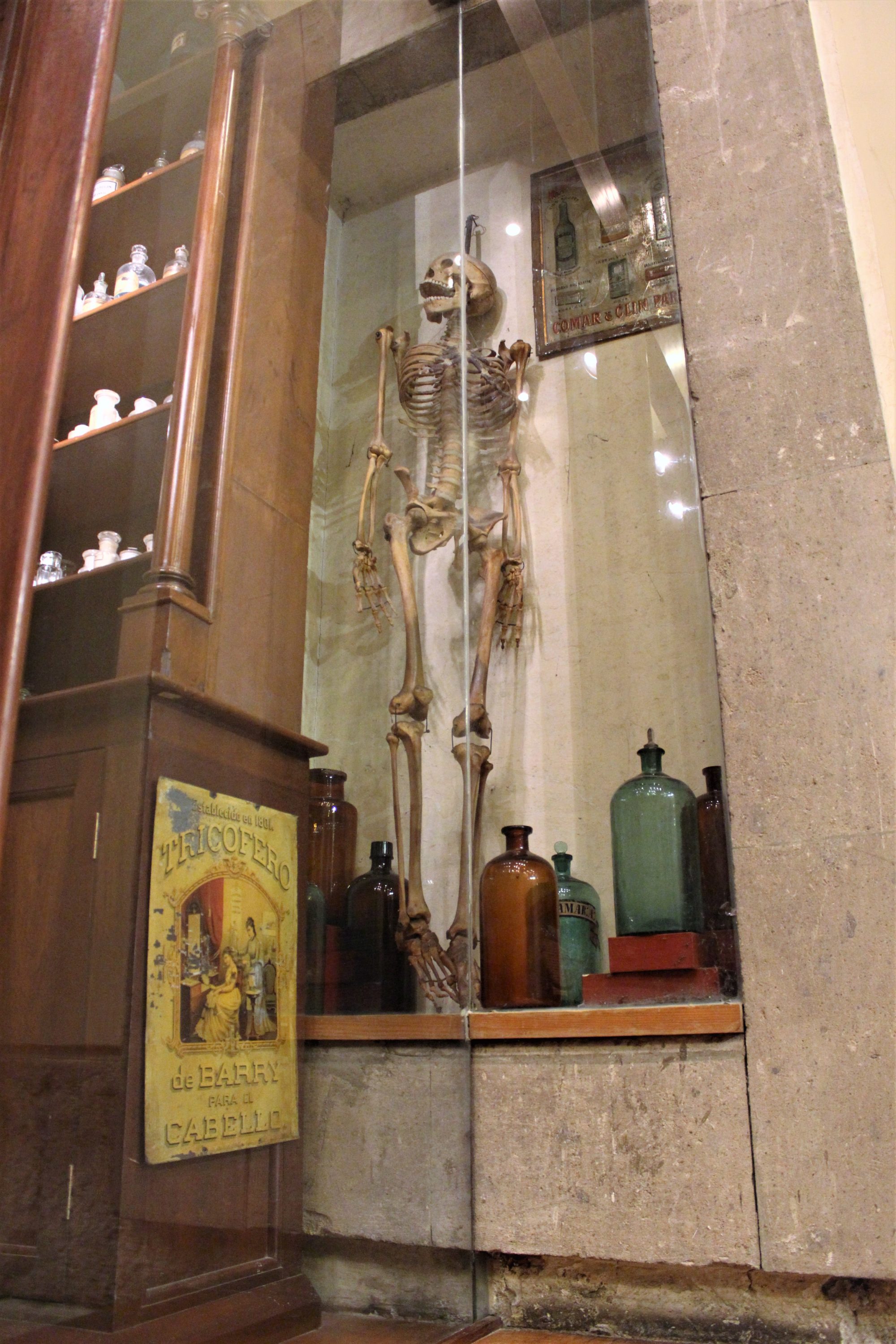
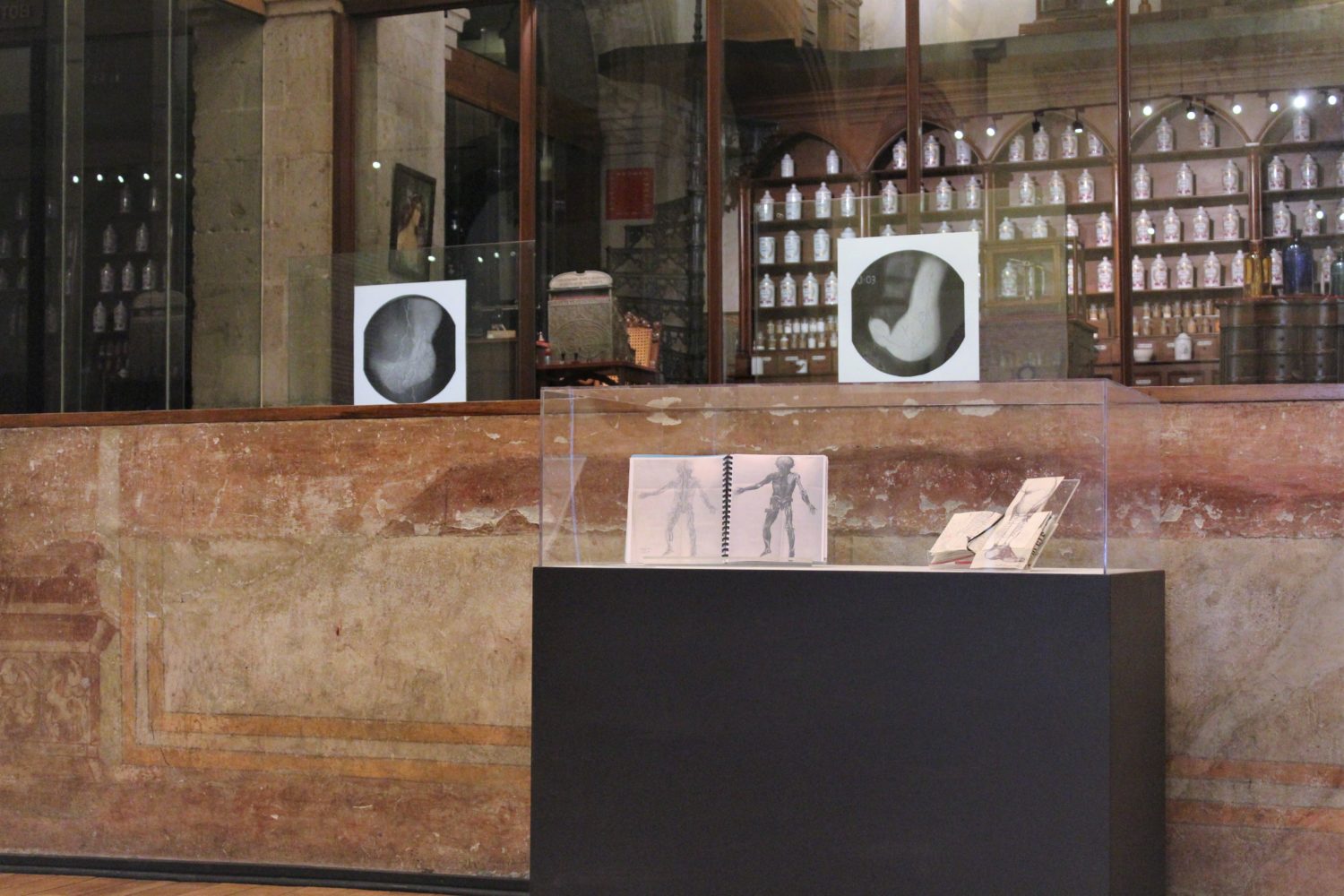
Installation Views of ” Anatomias Imposibles” 2012 Medicine Museum
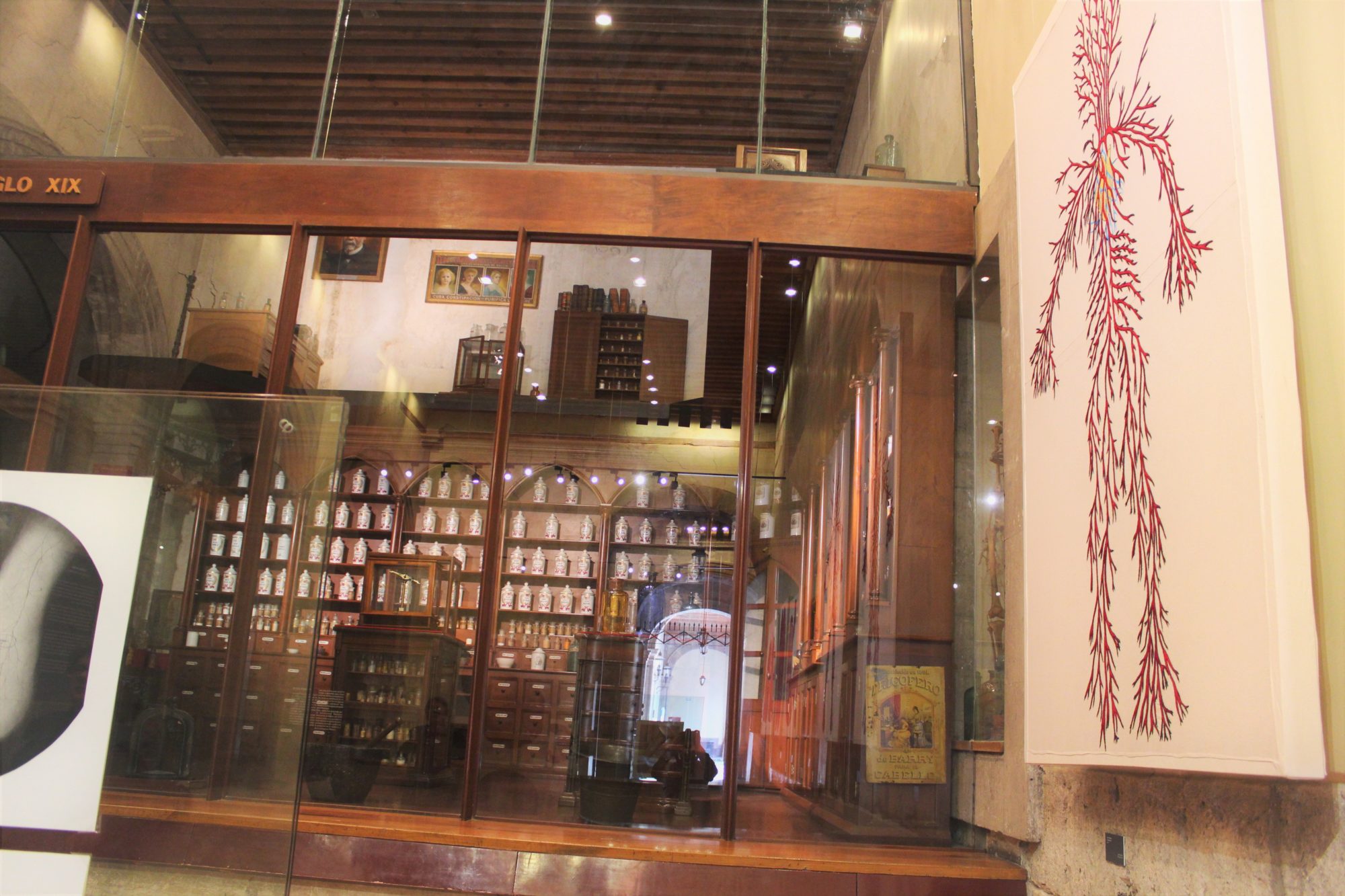
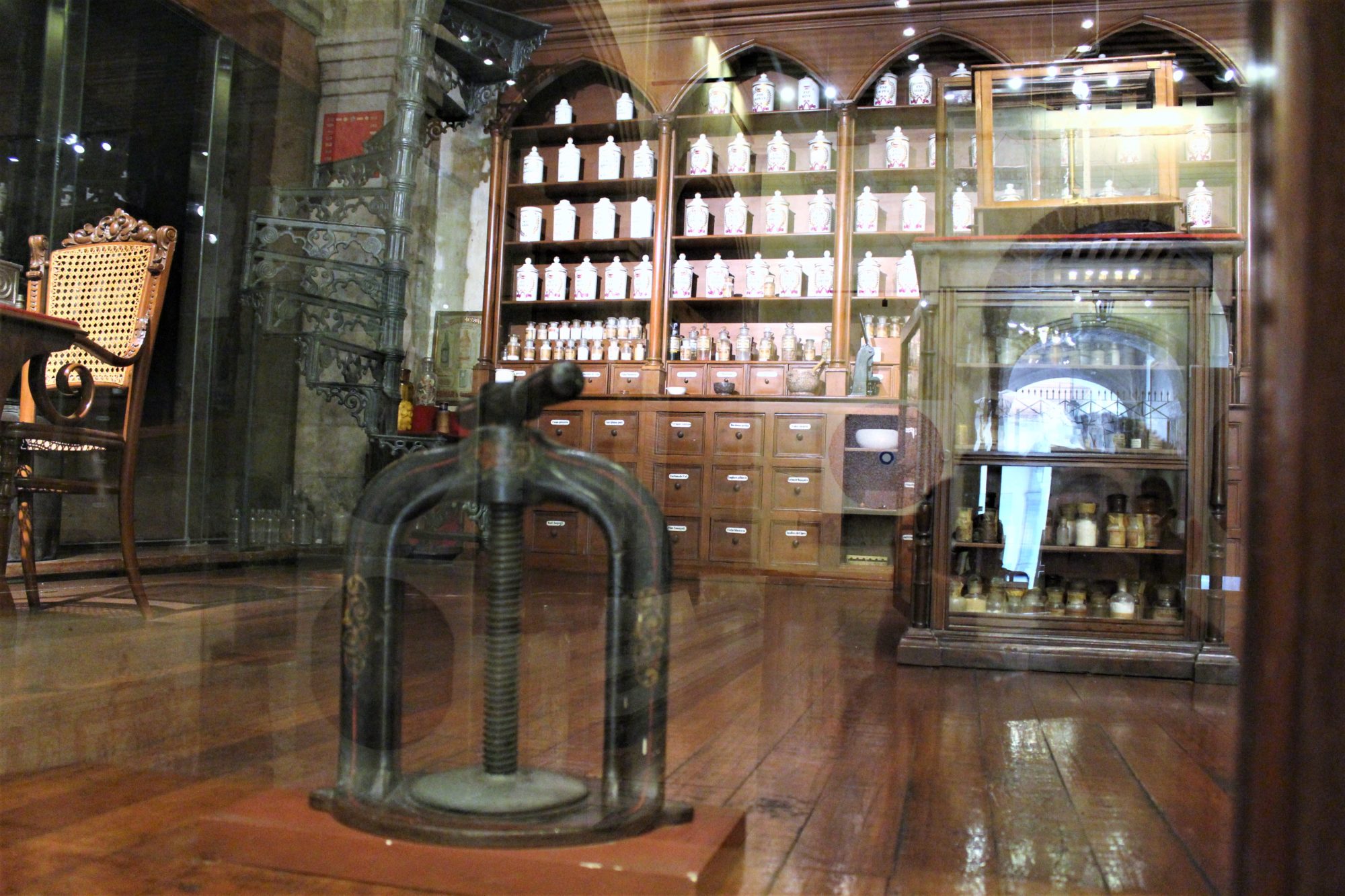
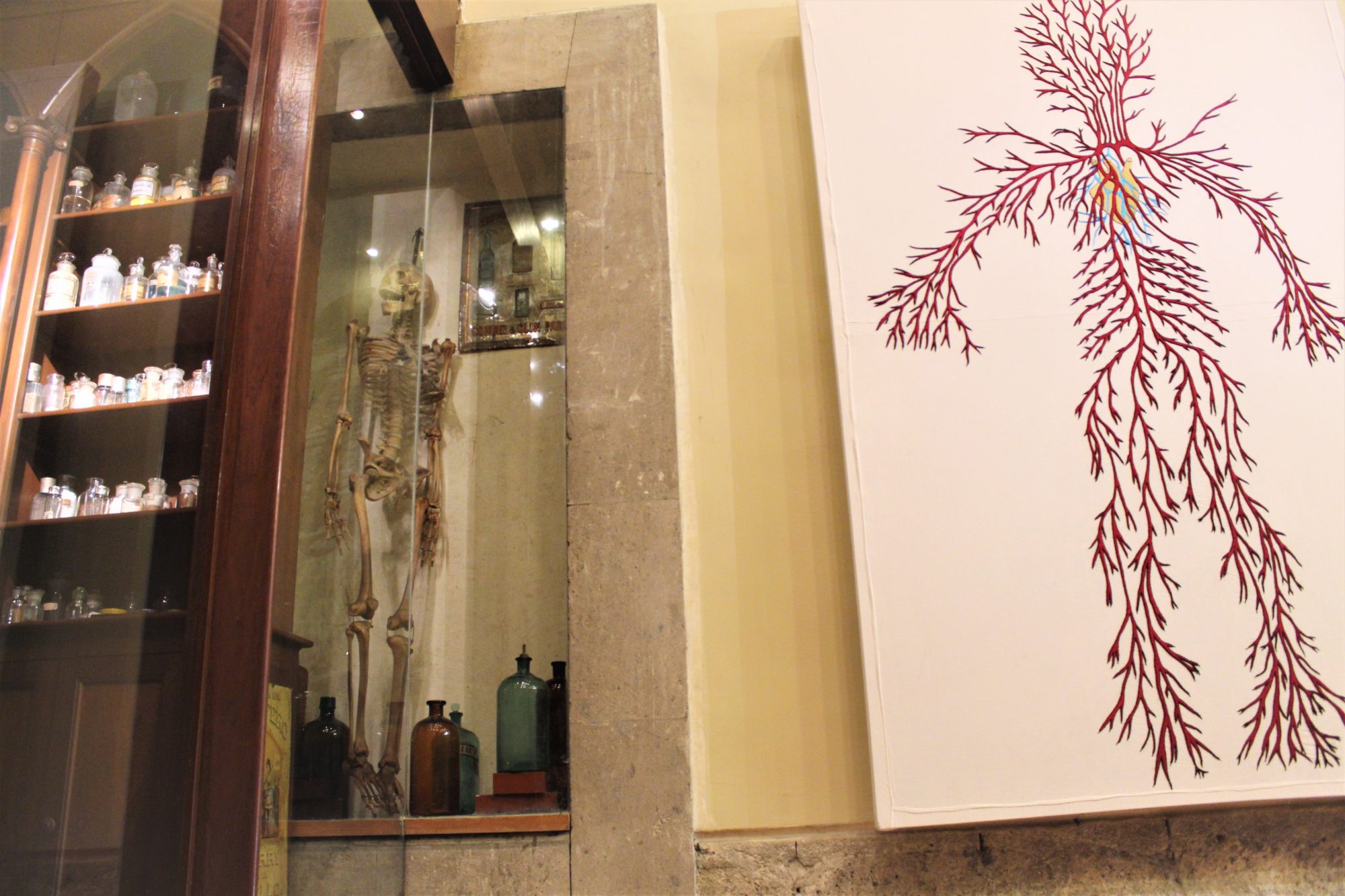
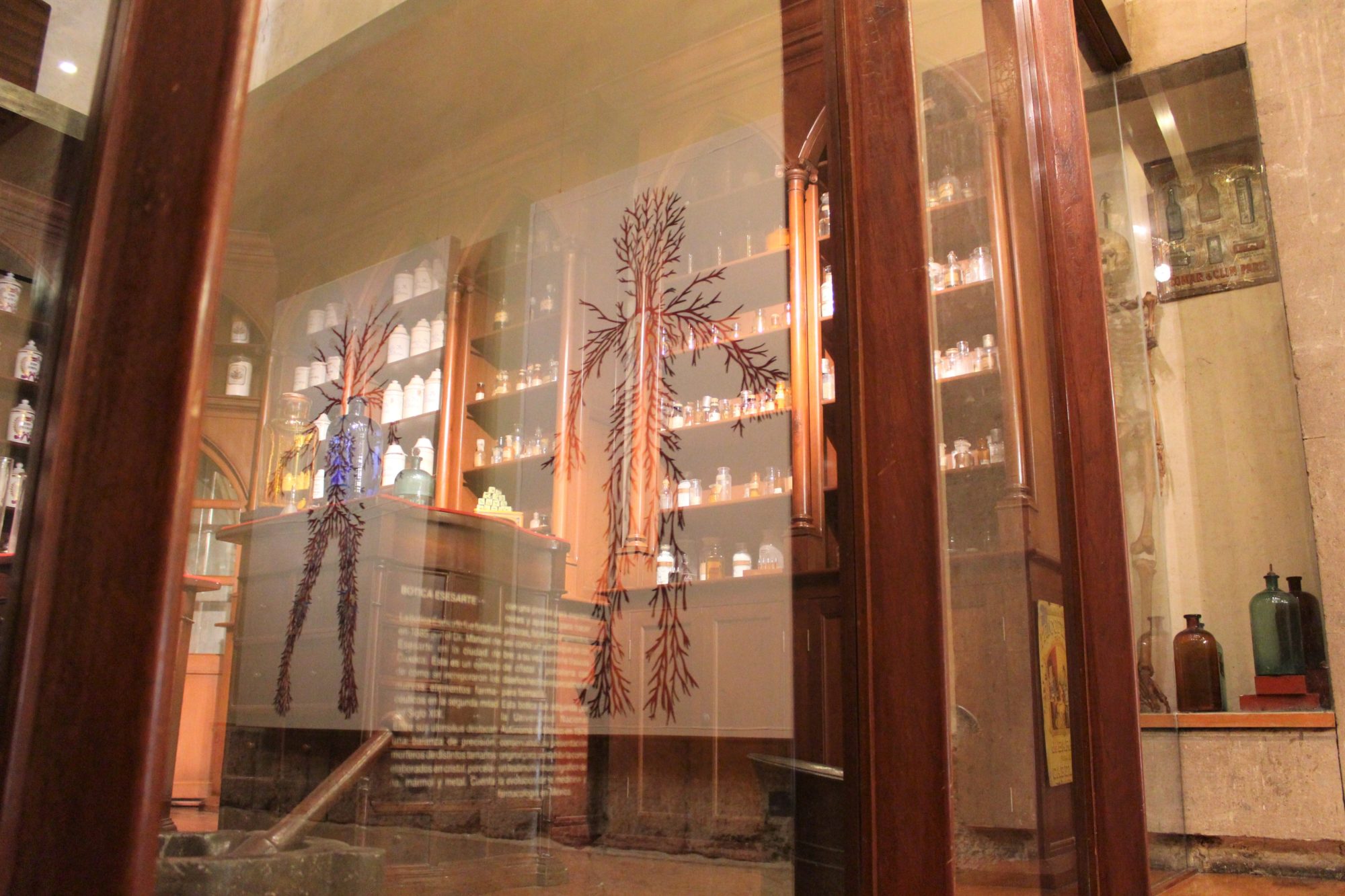
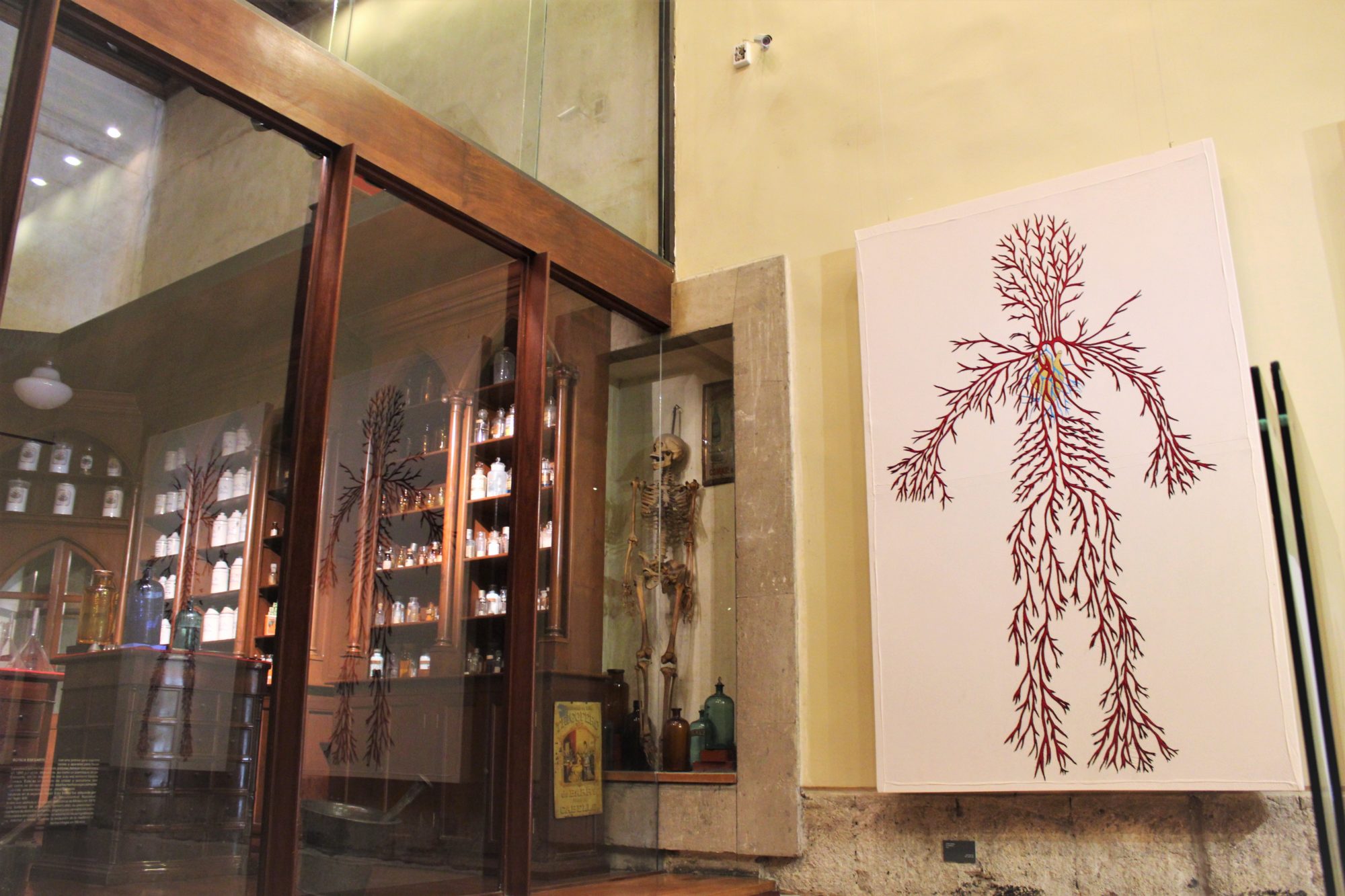
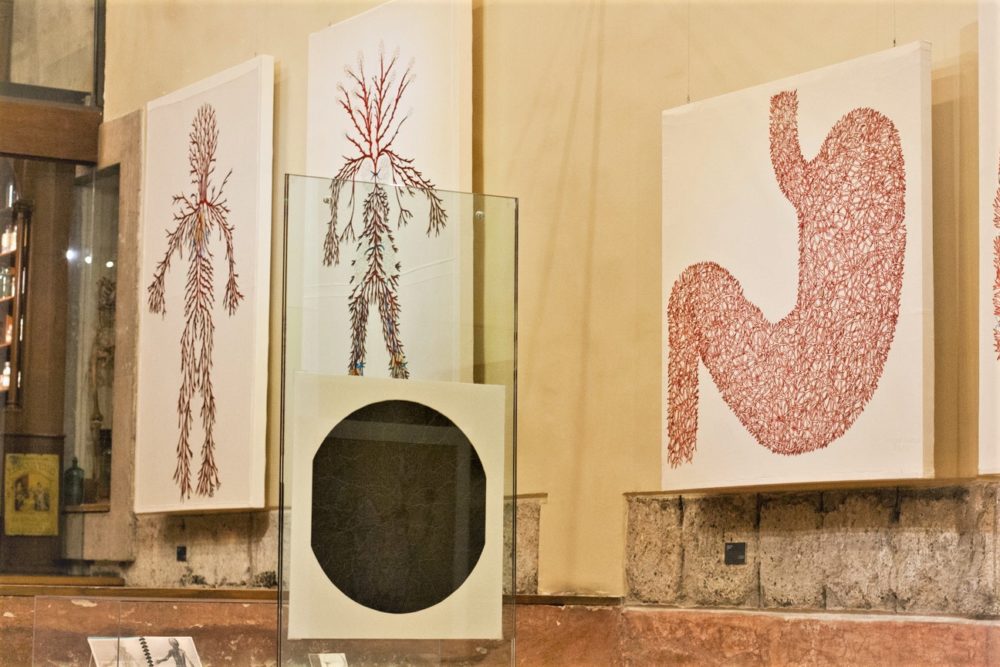
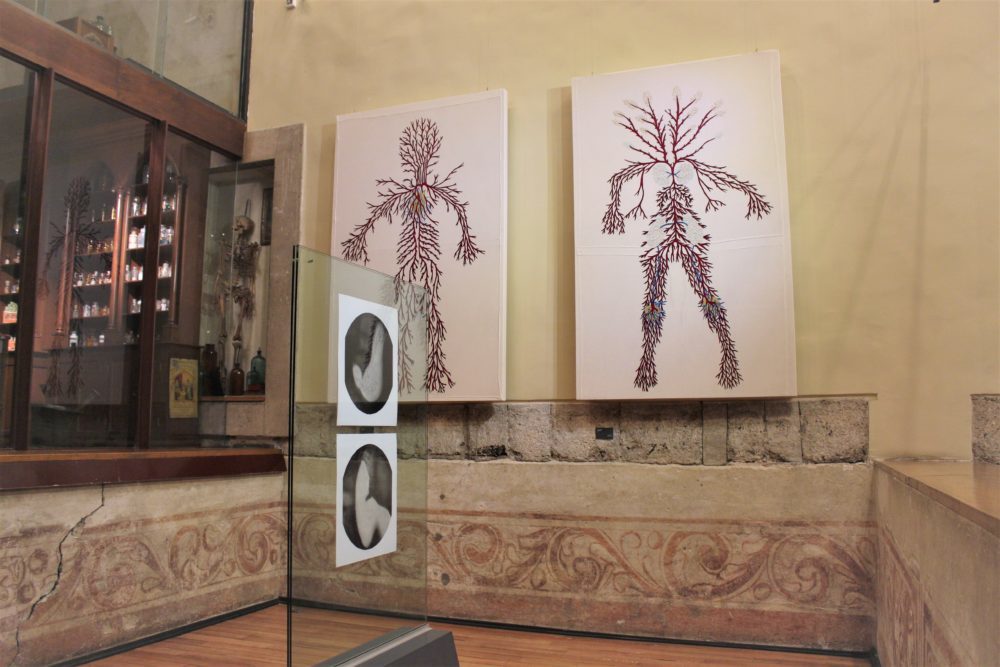
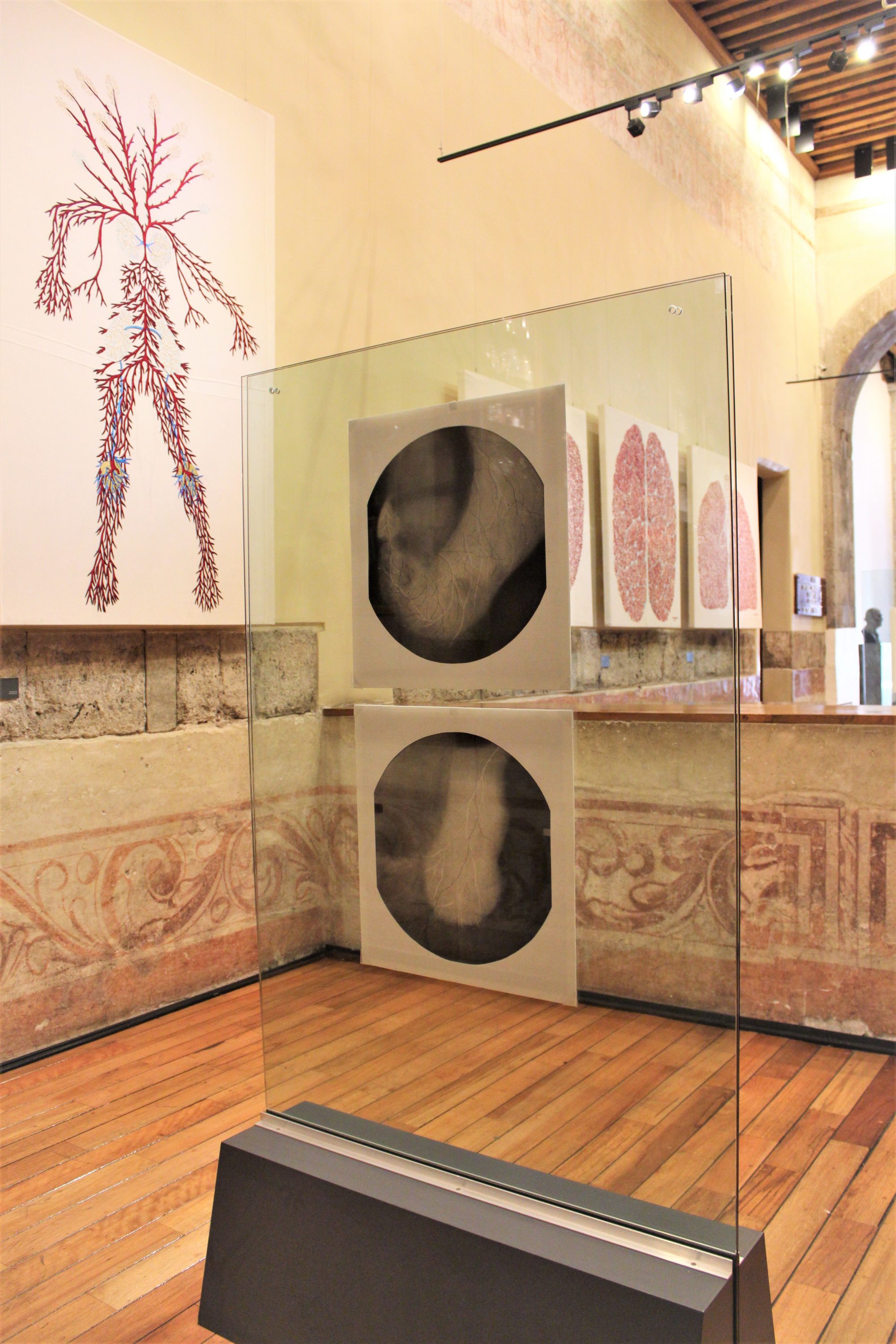
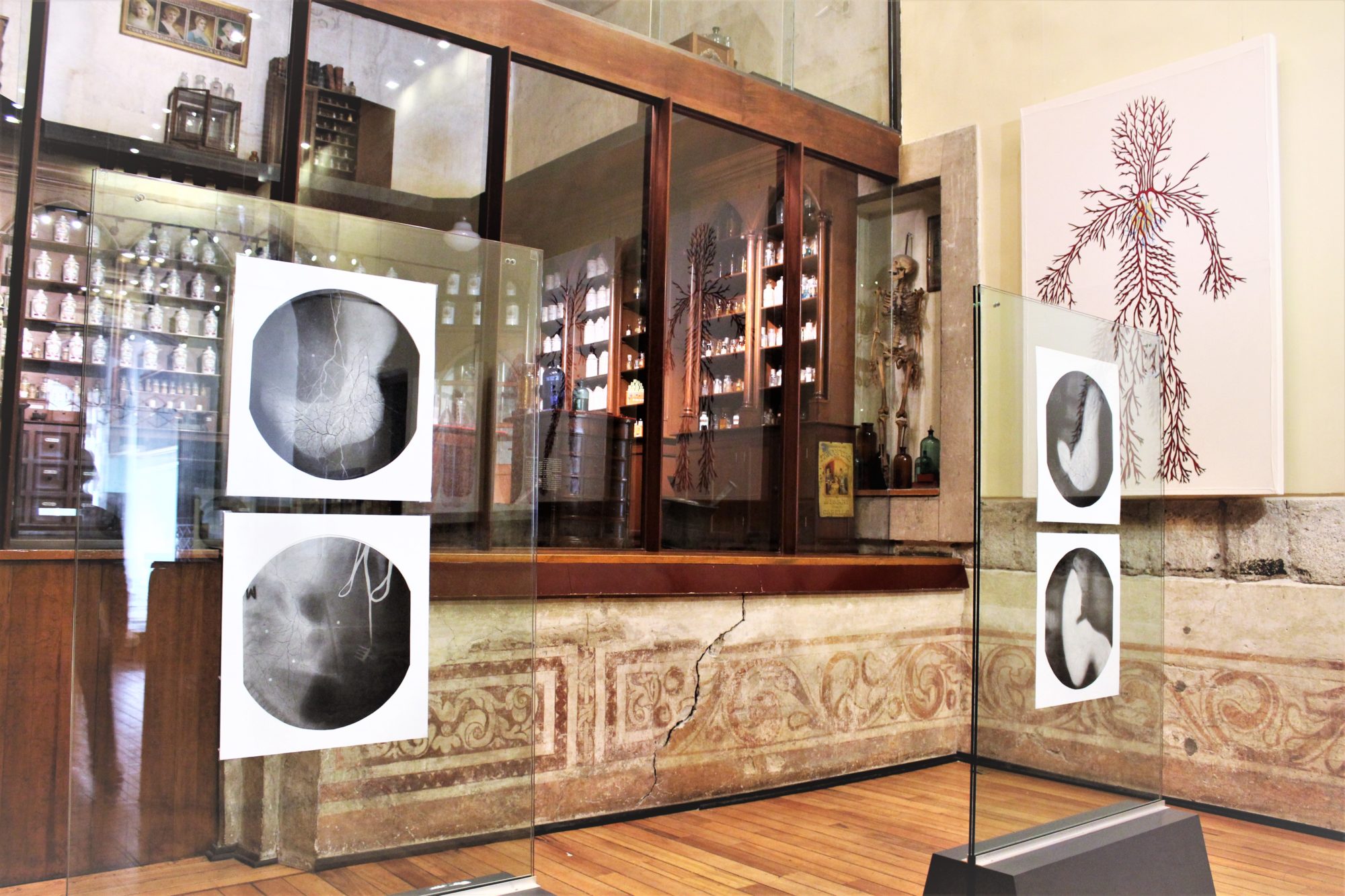
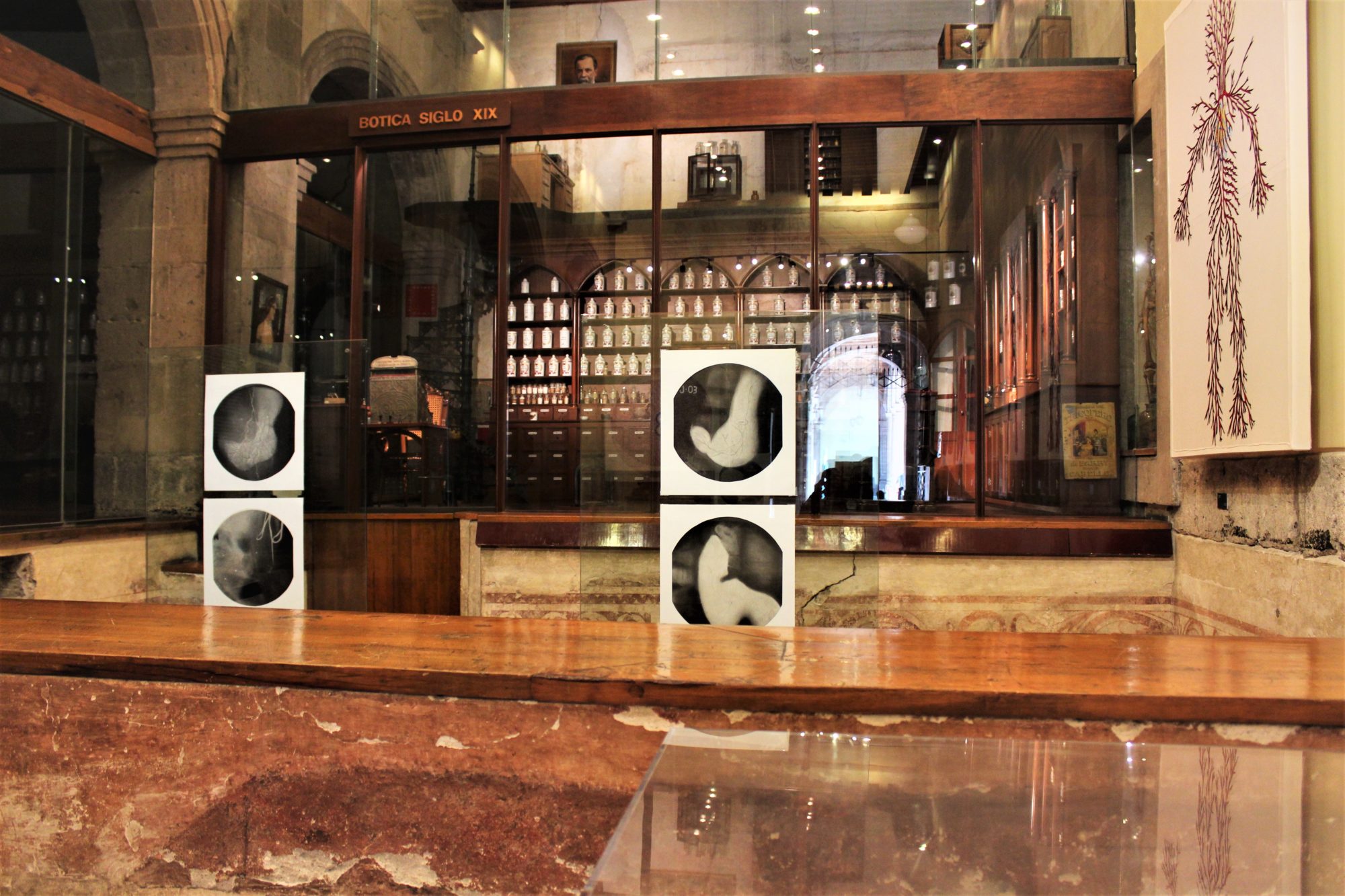
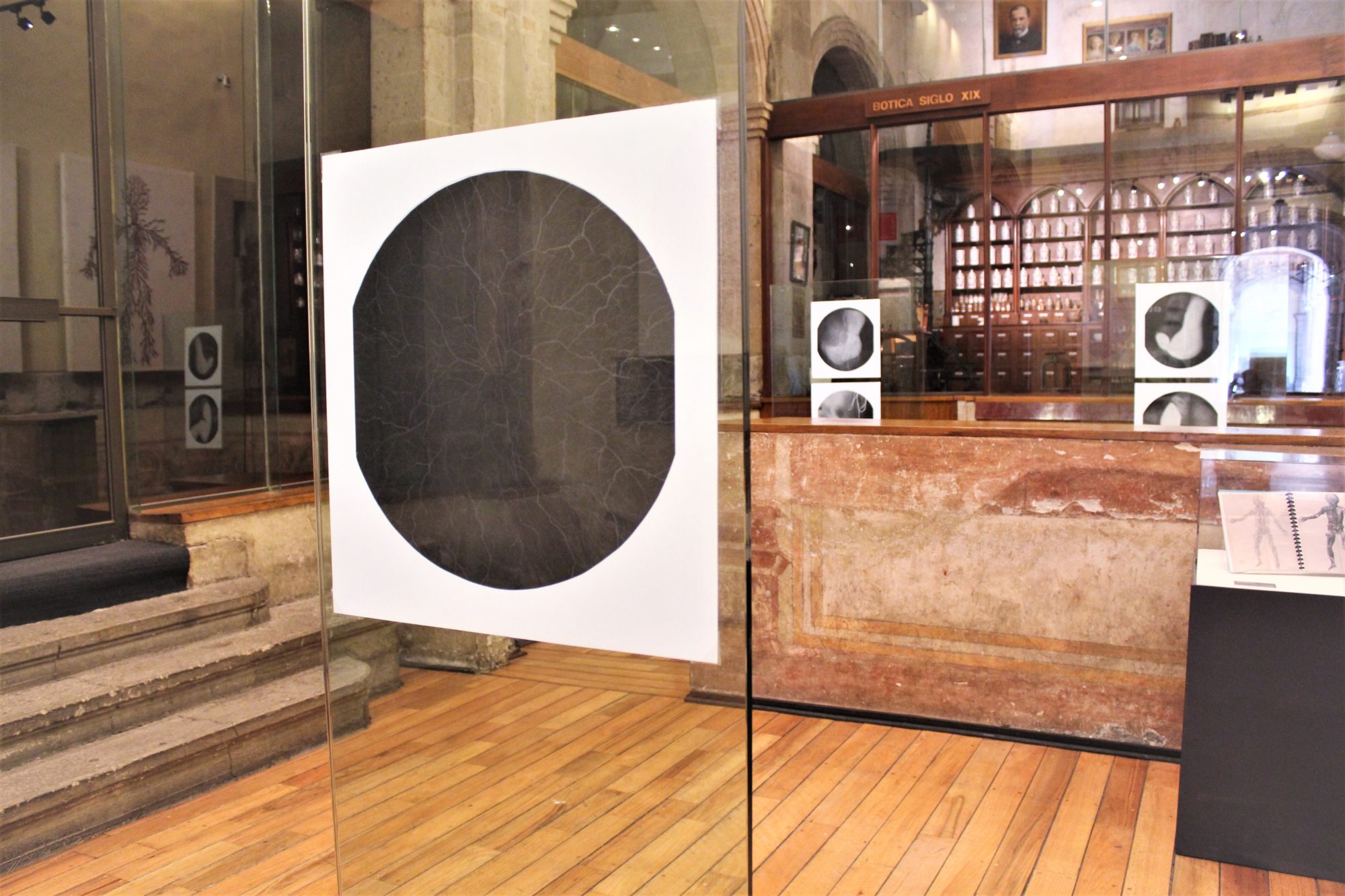
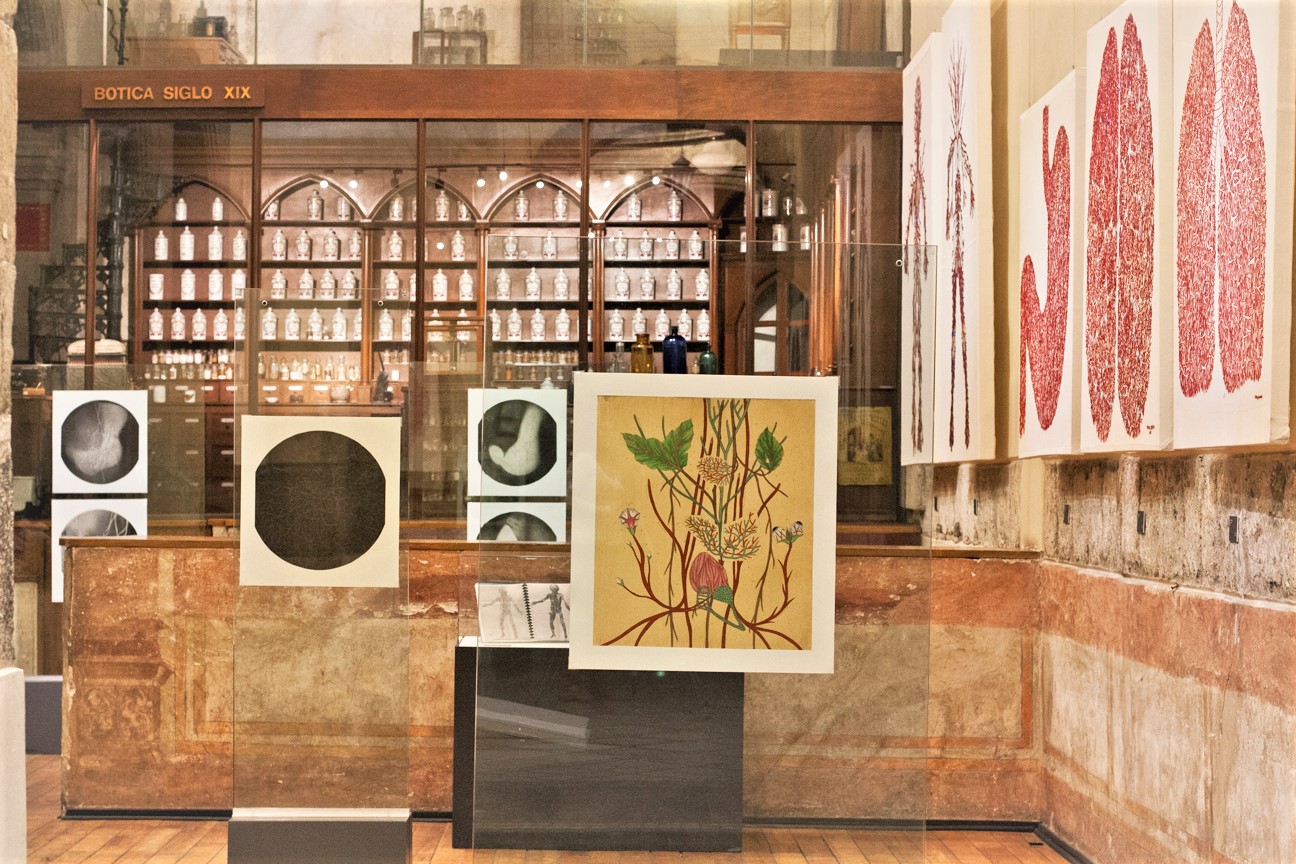
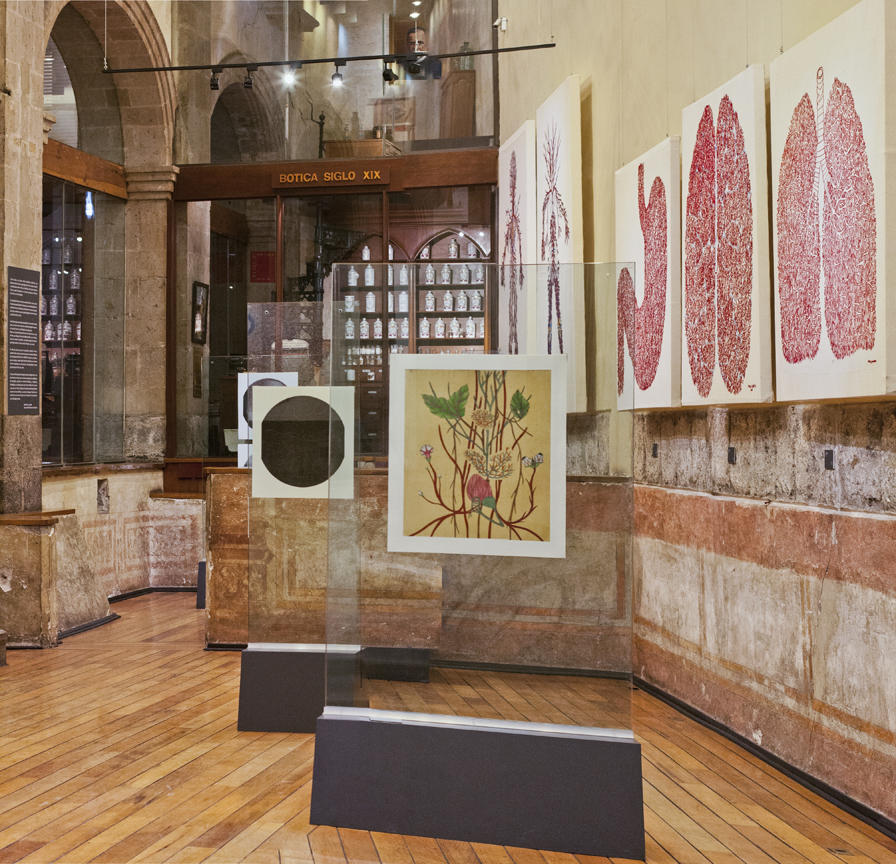
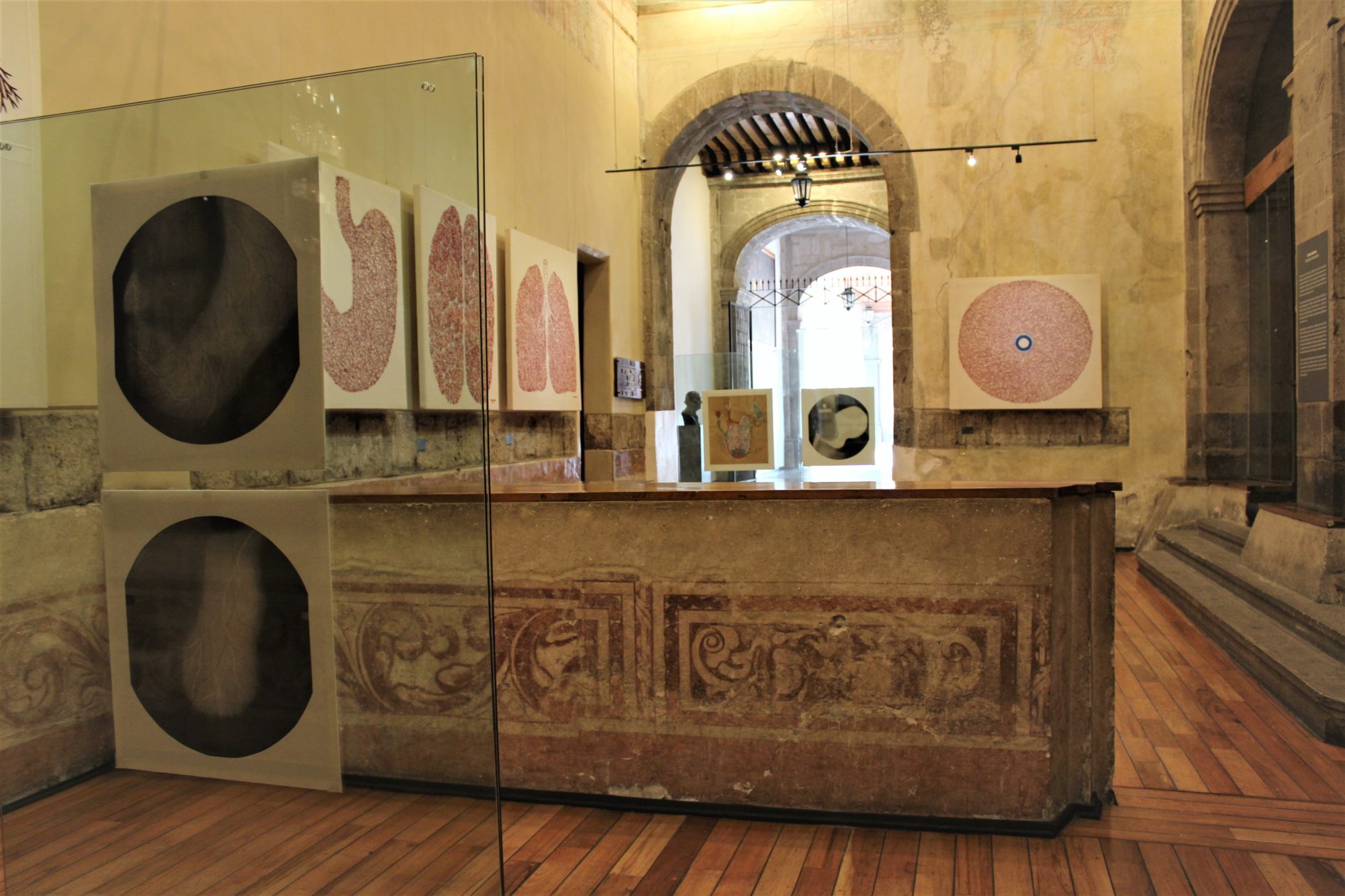
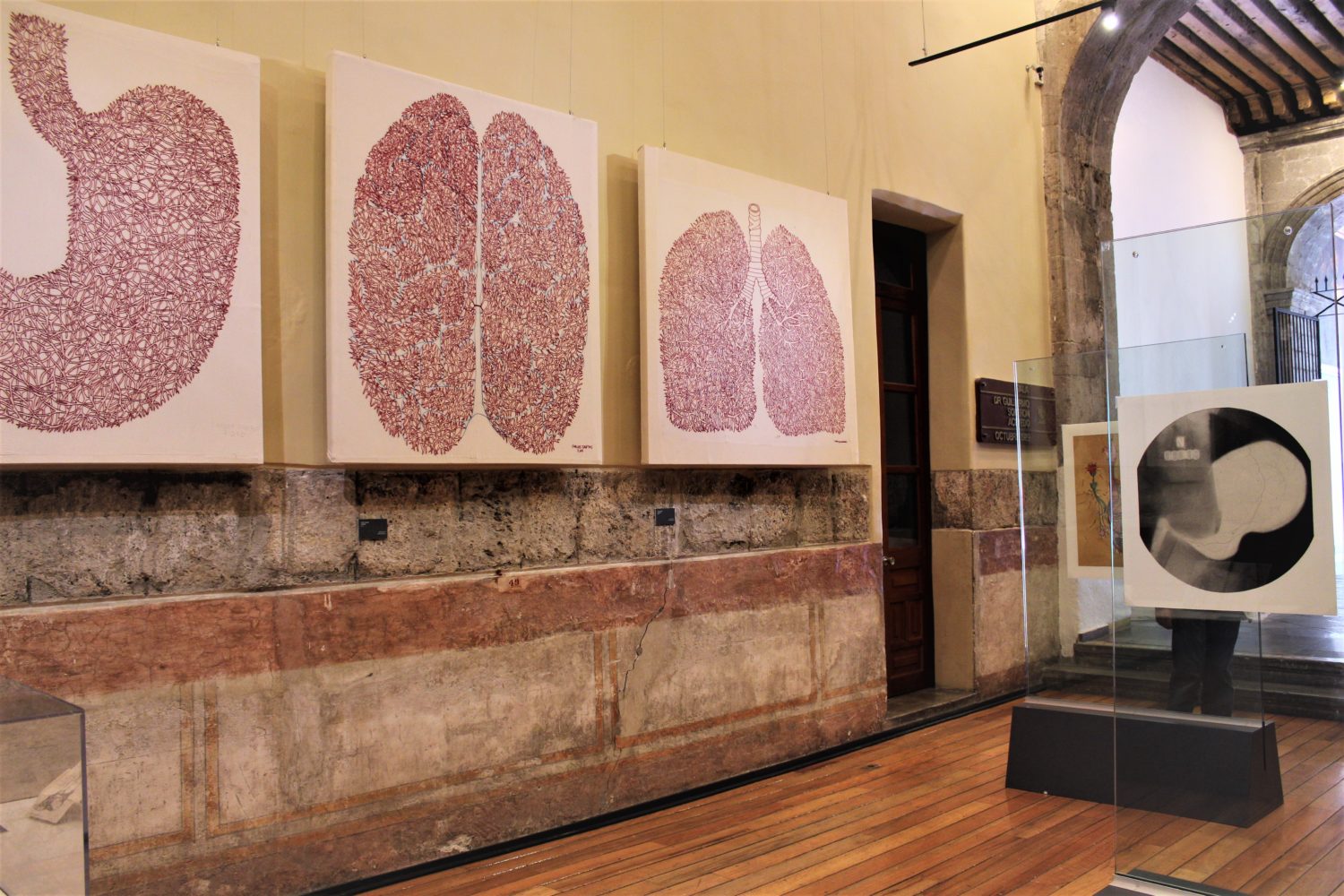
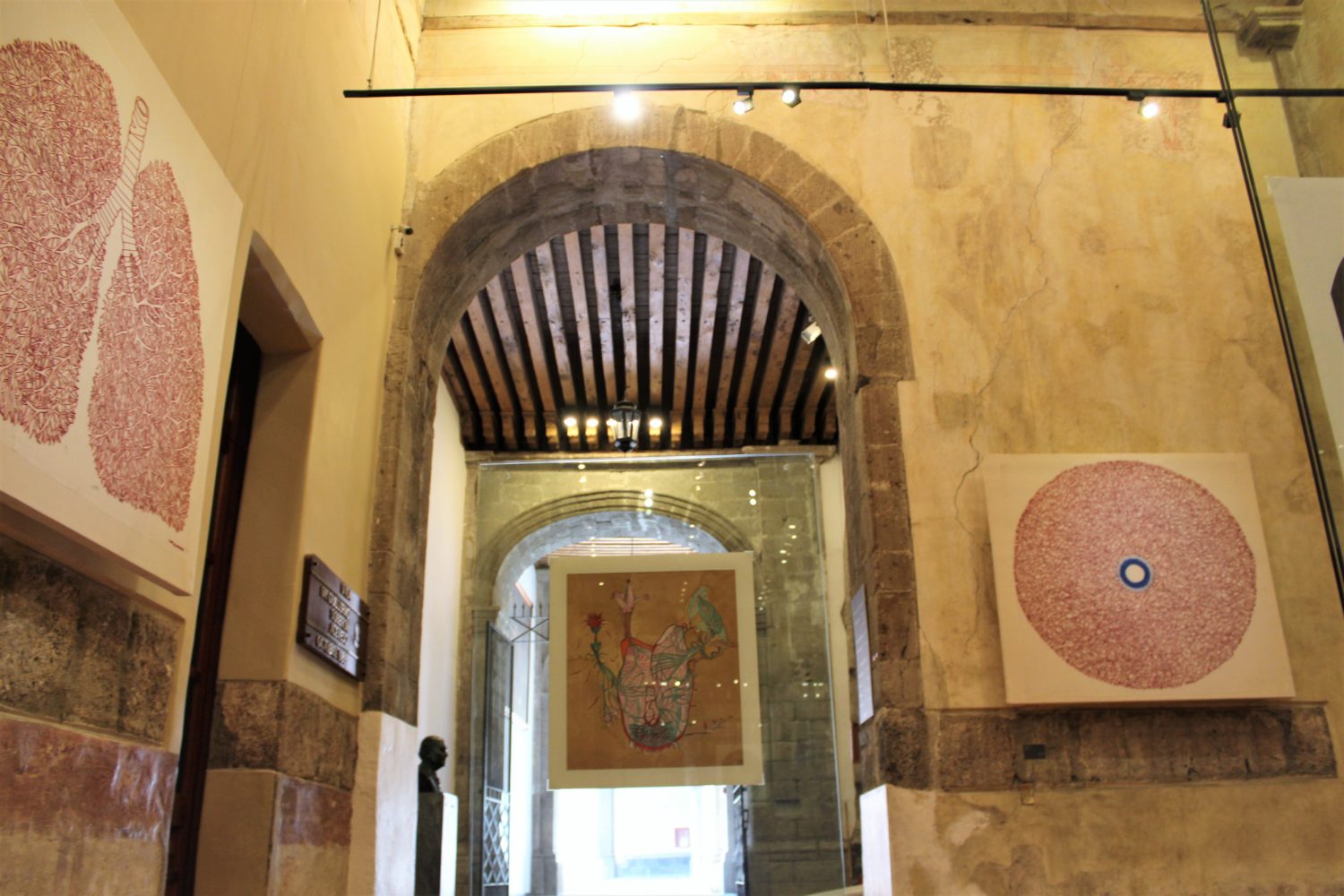
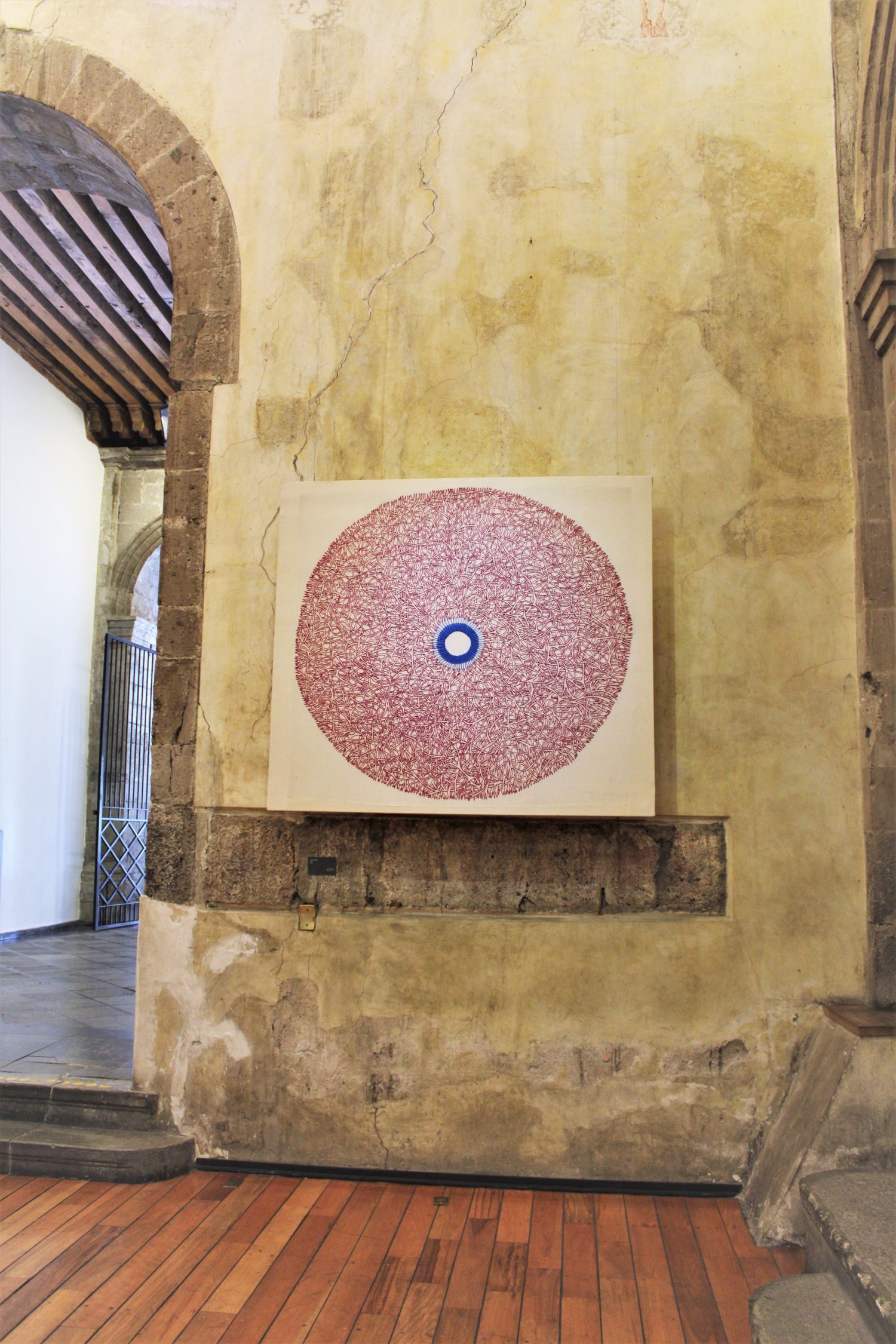
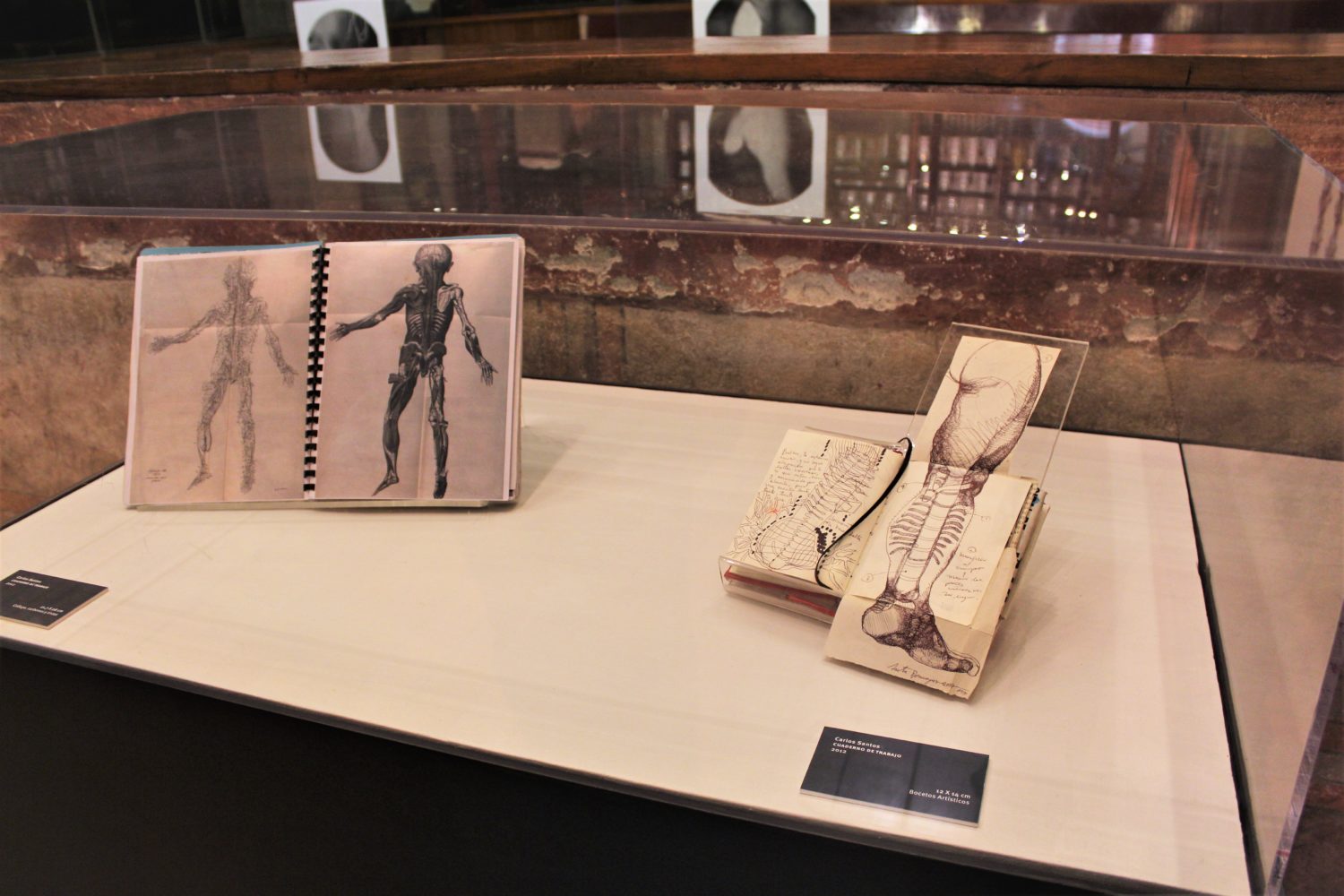
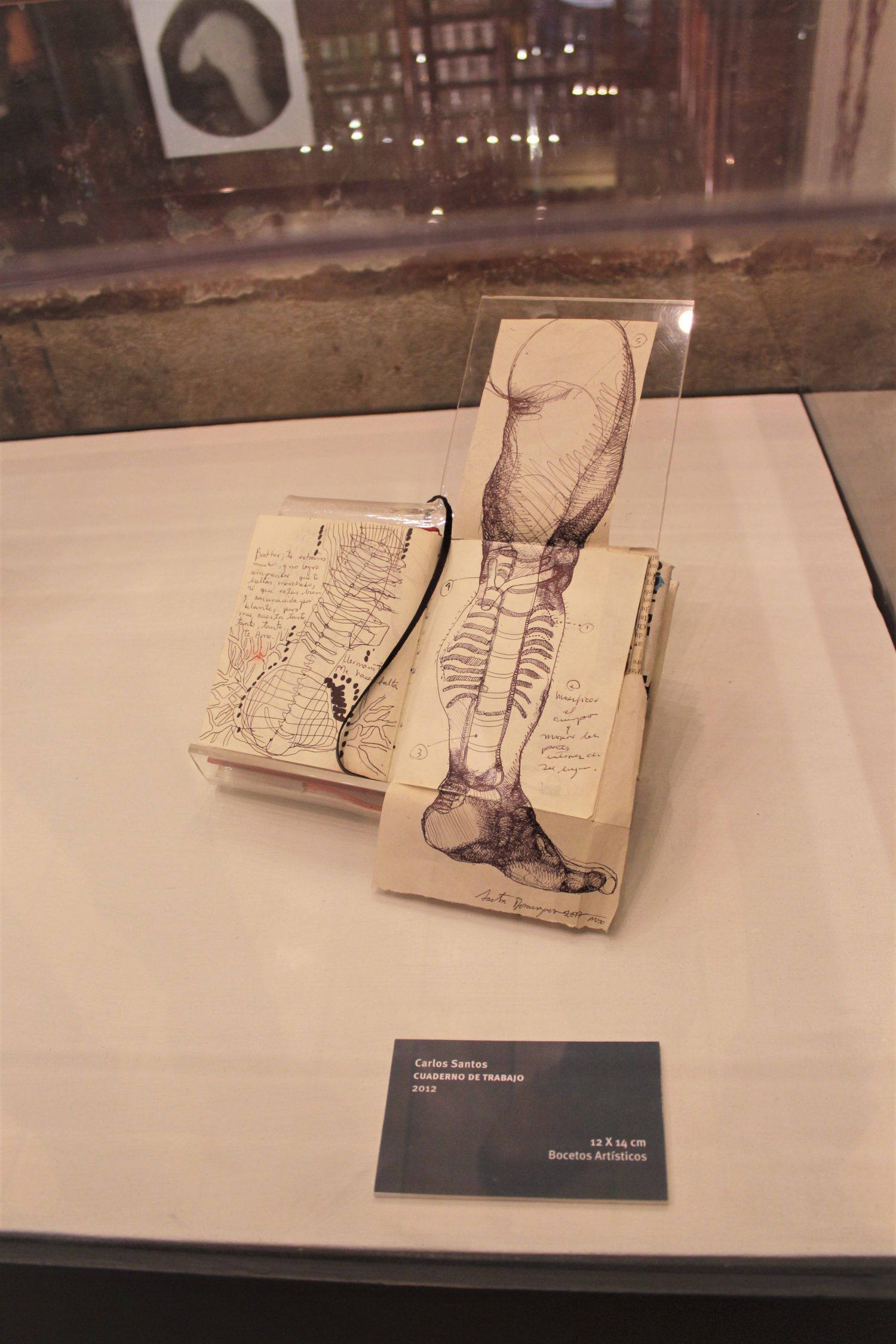
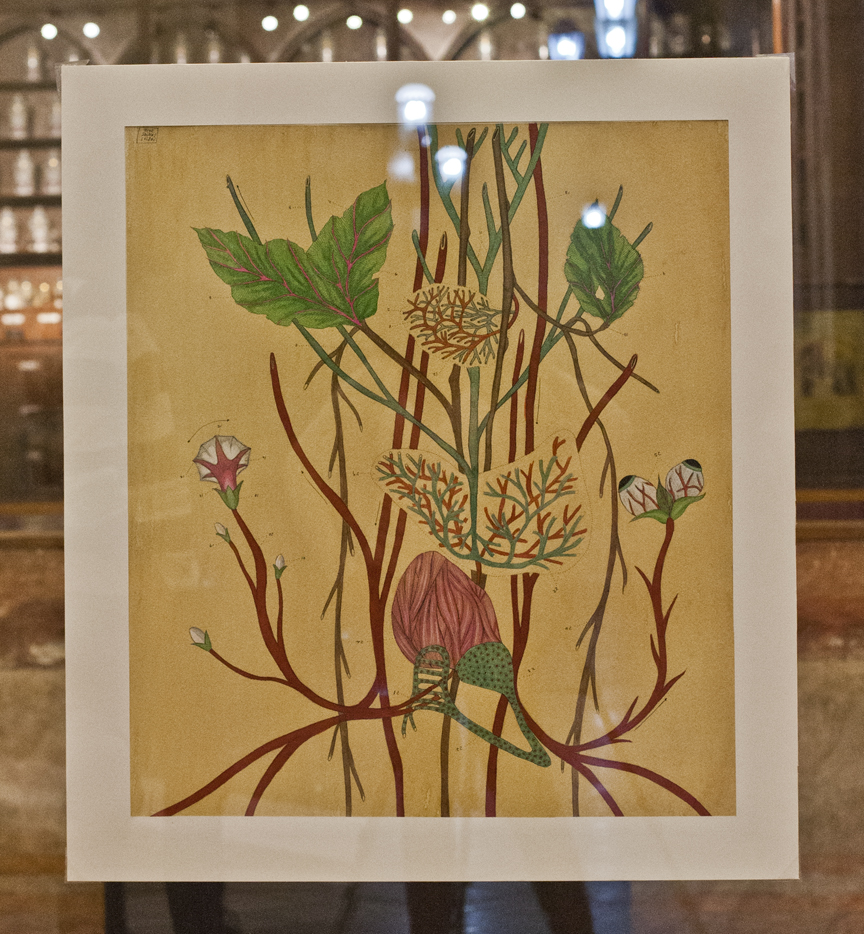
Ink and Water color on cotton paper.
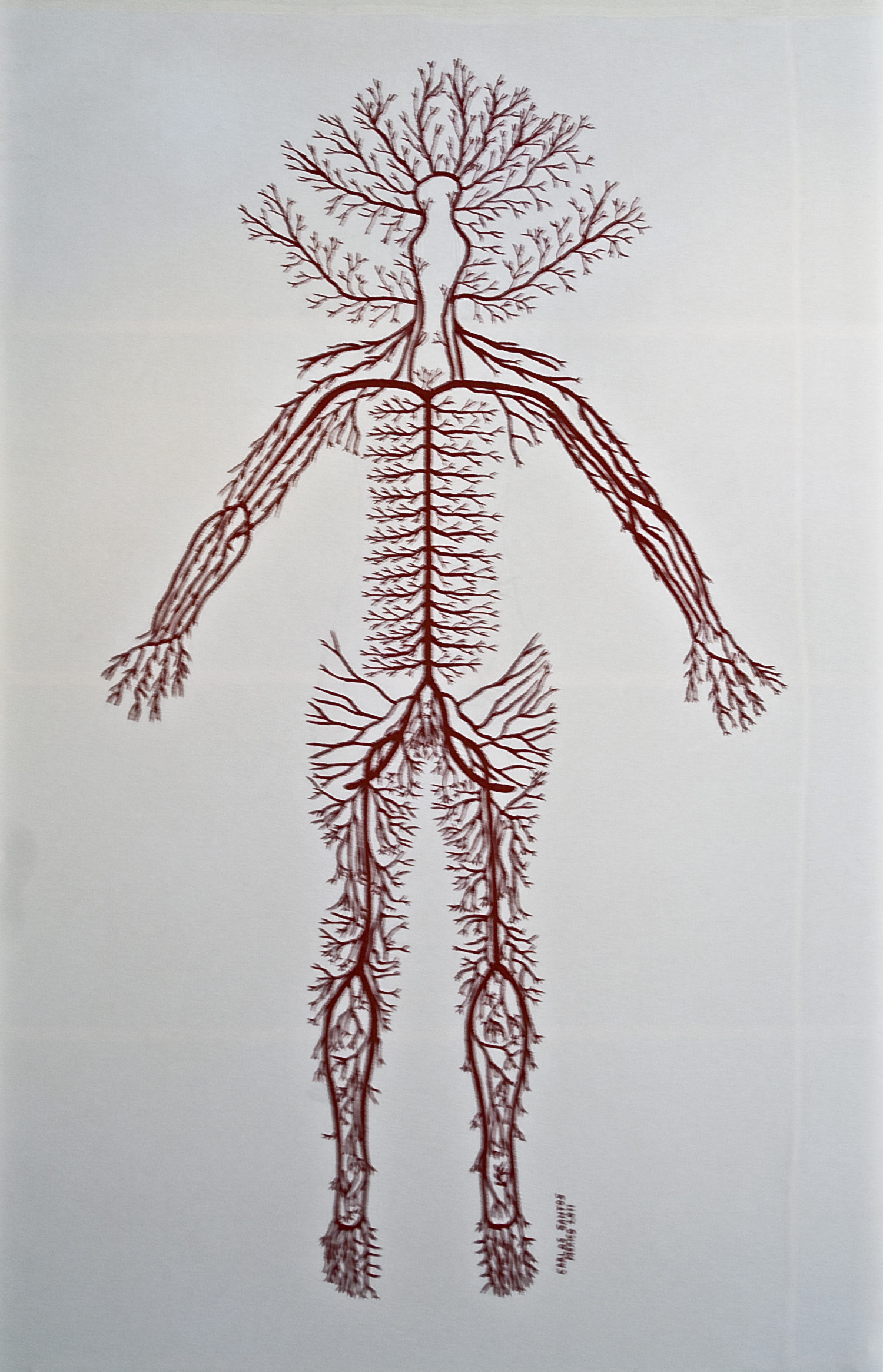
Mom. Embordery on linen. Embordery by my mom.
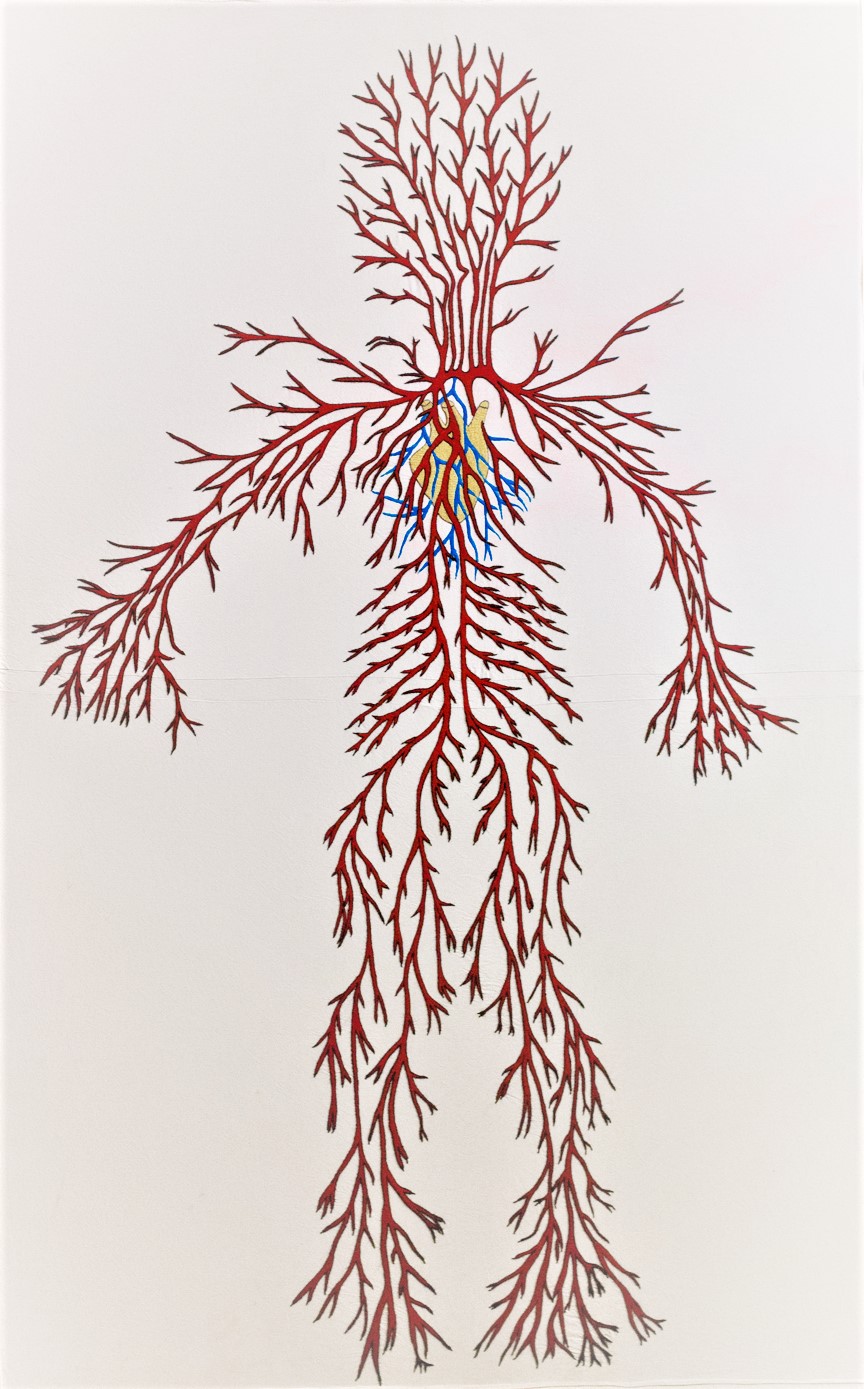
Ruth II. Embordery on linen. Embordery by my mom
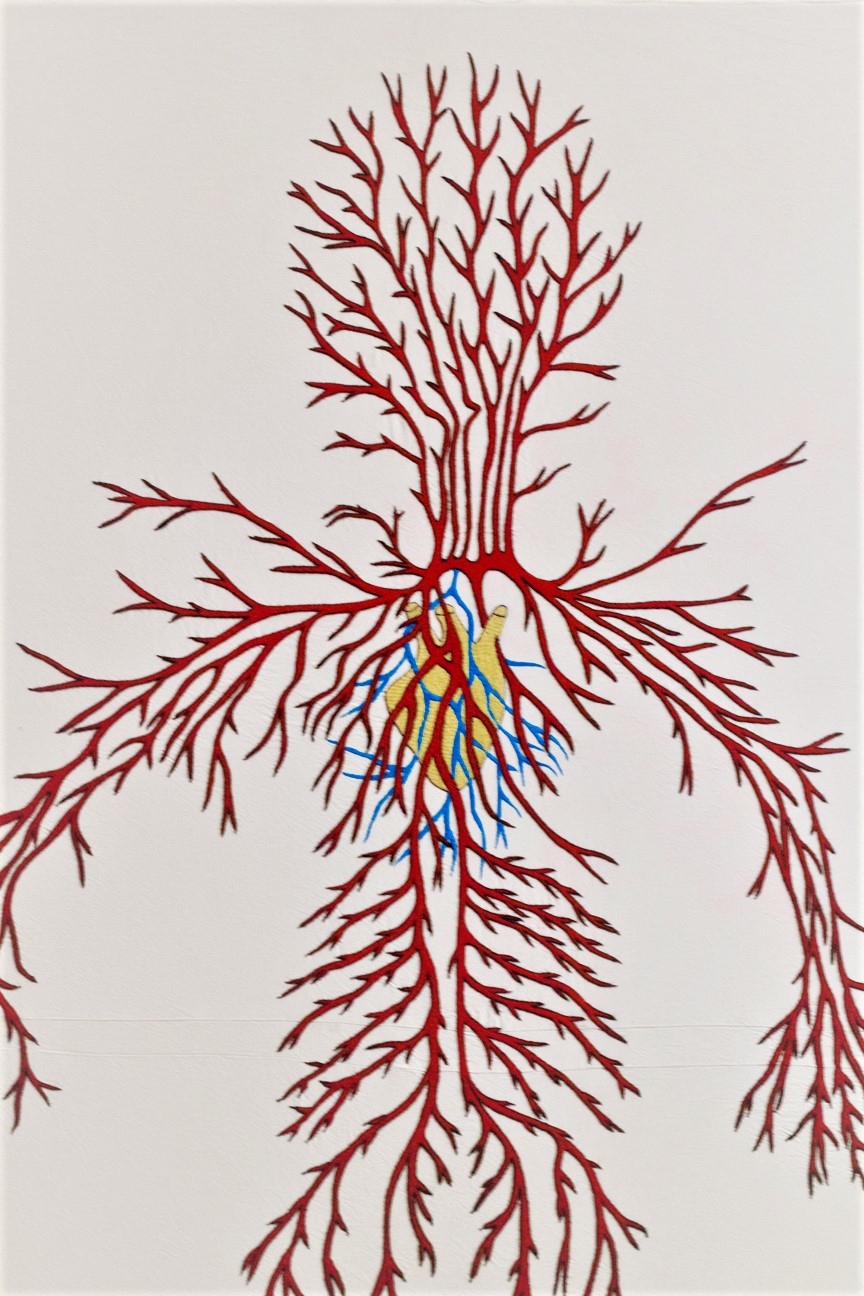
Embordery on linen. Embordery by my mom
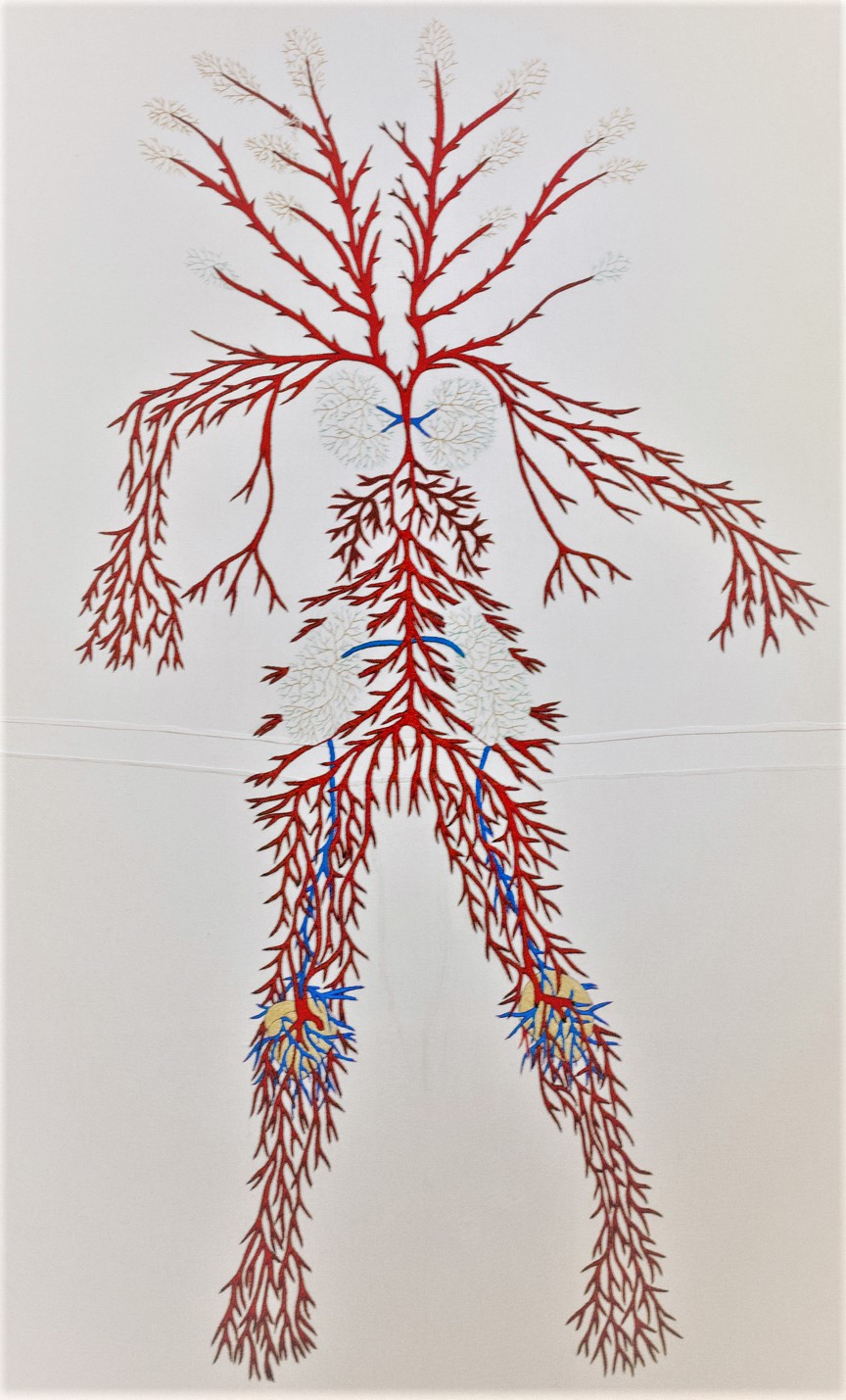
Ruth. Embordery on linen. Embordery by my mom
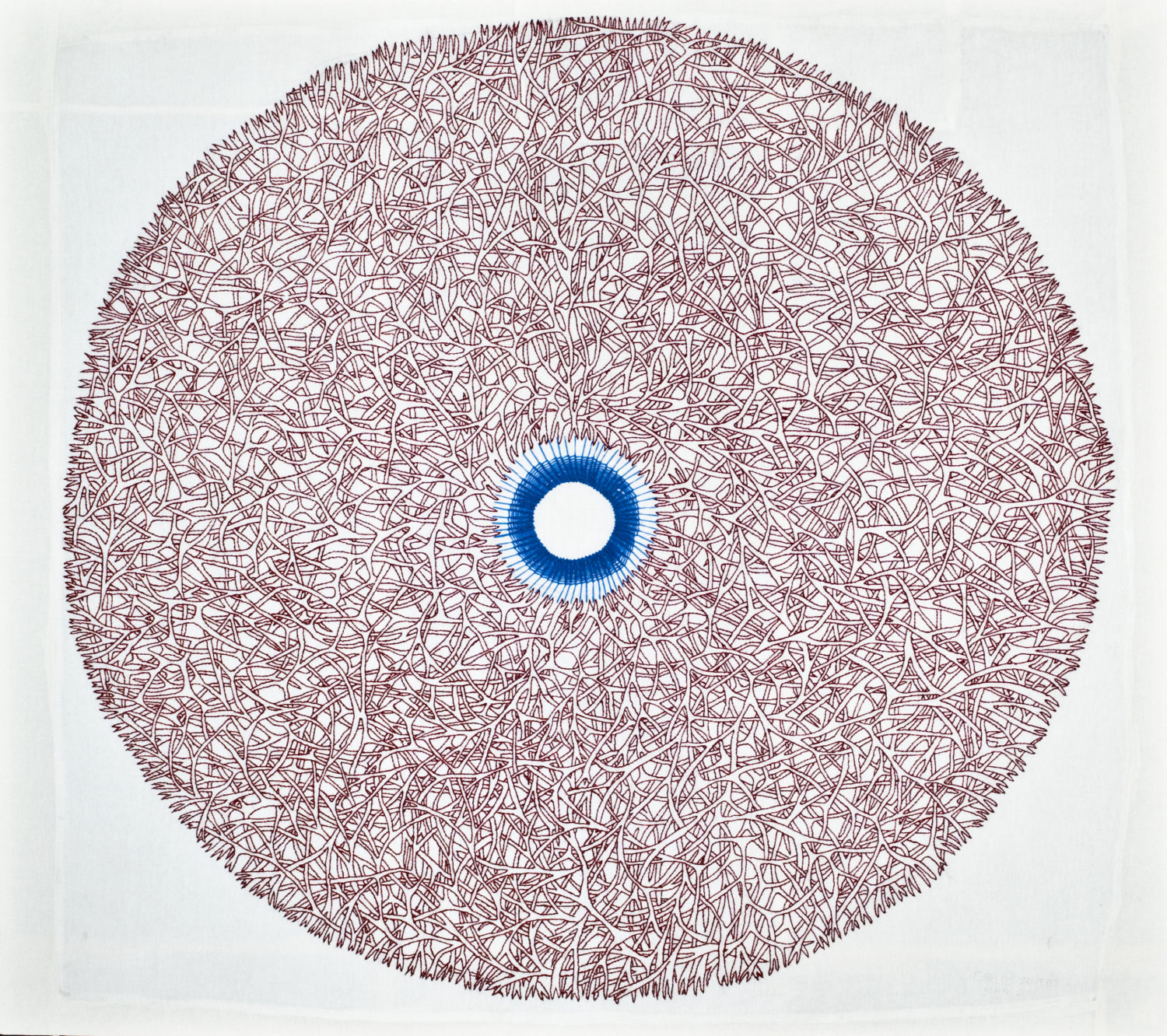
Eye. Embordery on linen. Embordery by my mom
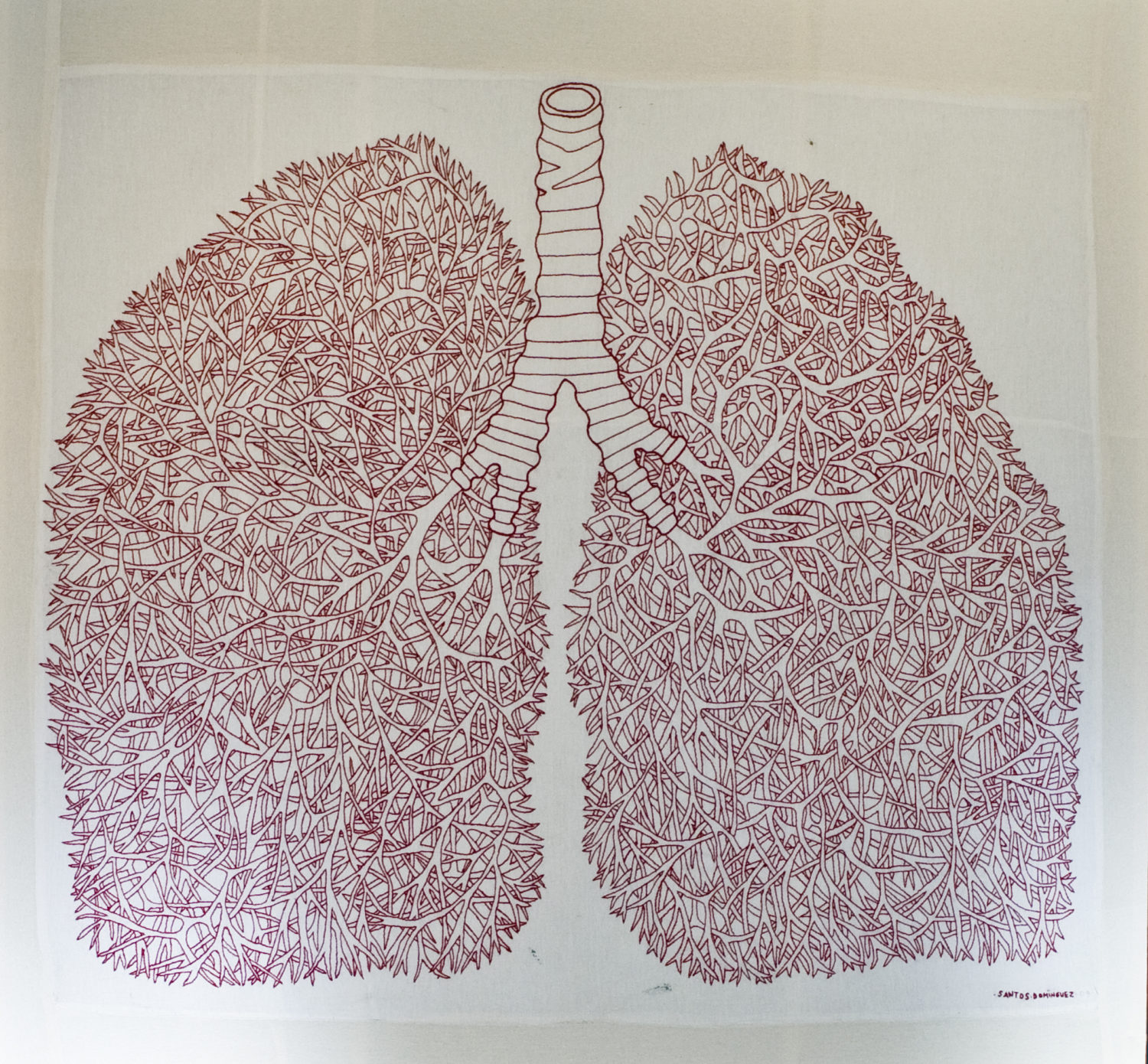
Lungs. Embordery on linen. Embordery by my mom
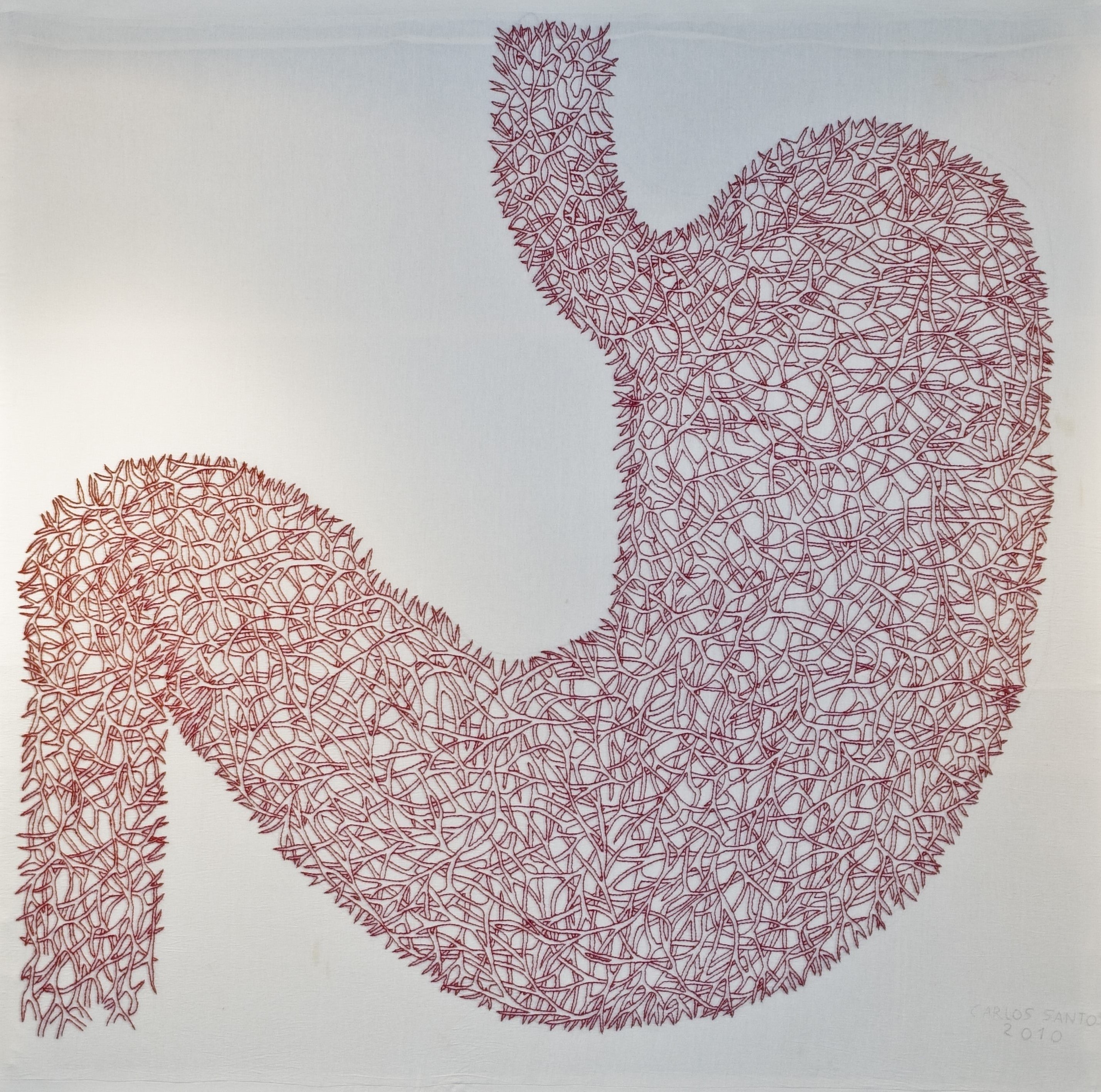
Stomach. Embordery on linen. Embordery by my mom
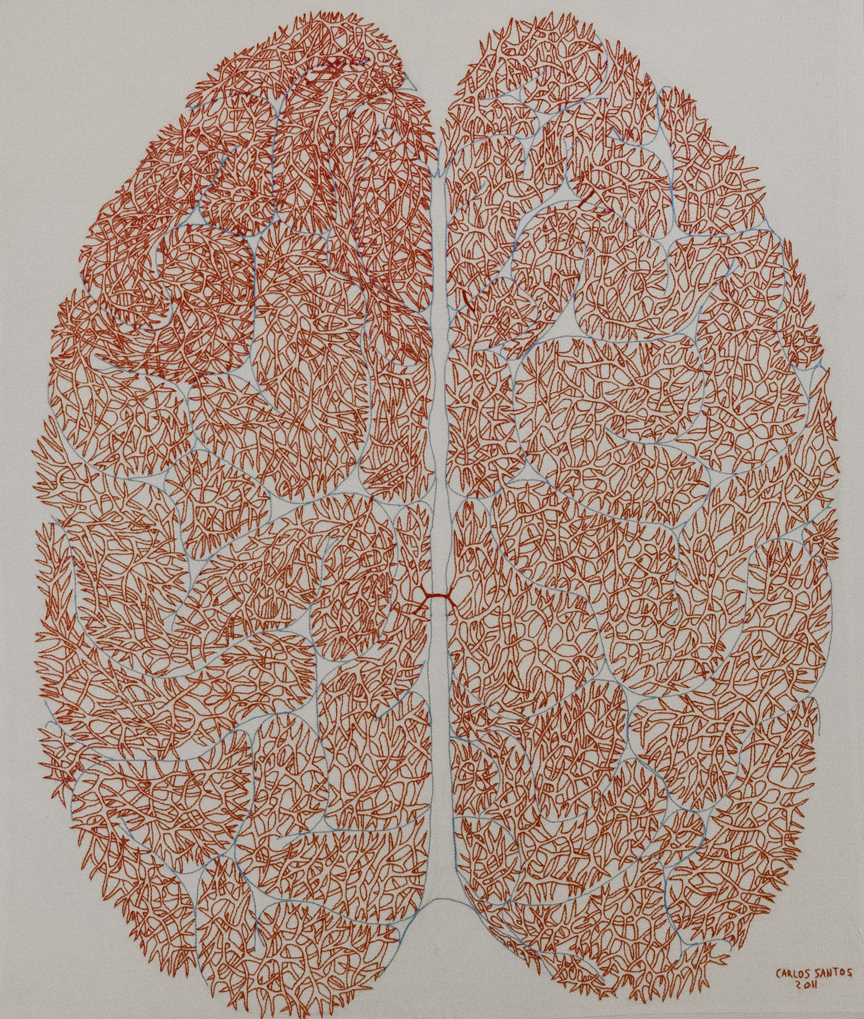
Brain. Embordery on linen. Embordery by my mom
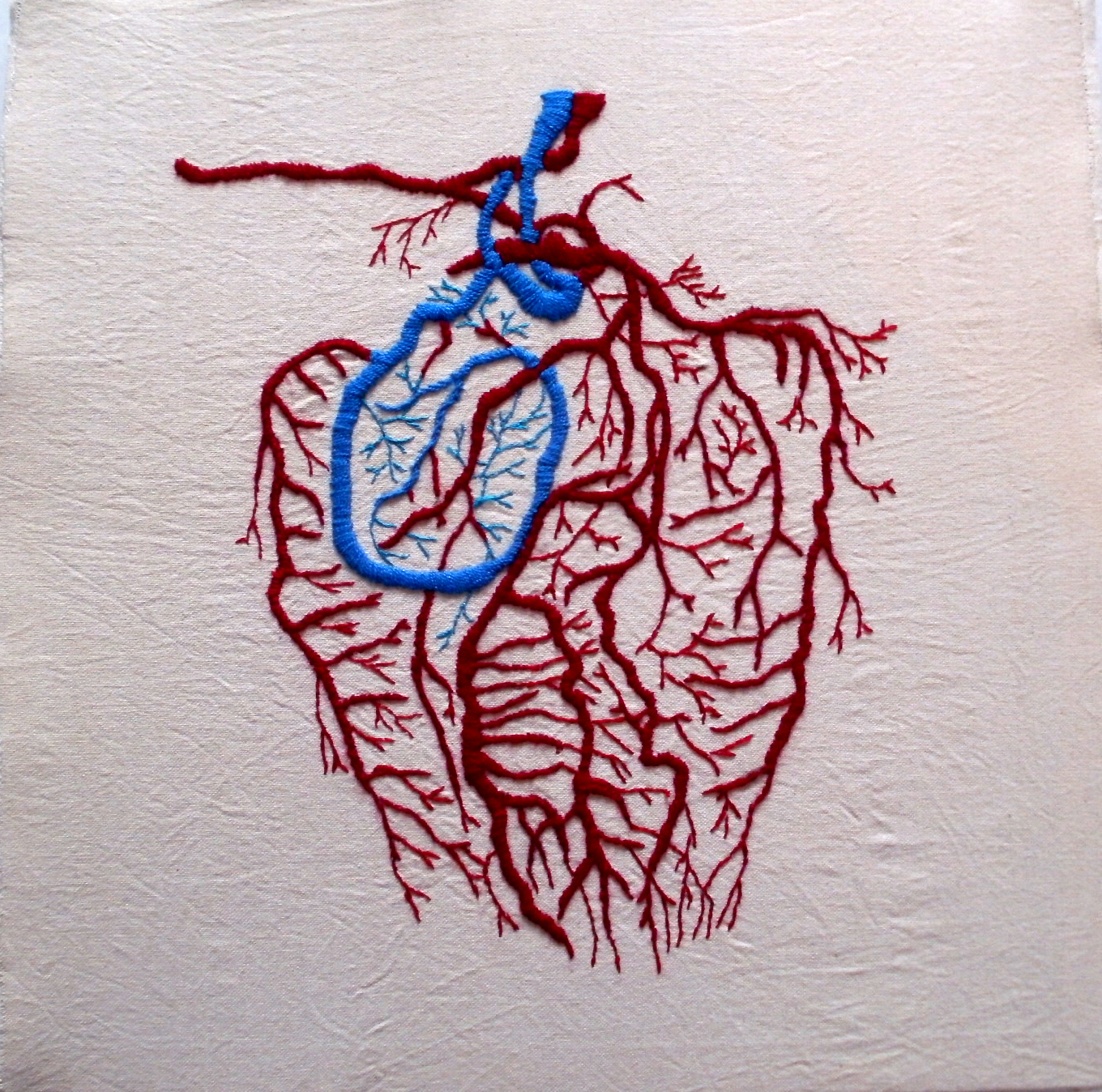
Heart. Embordery on linen. Embordery by my mom
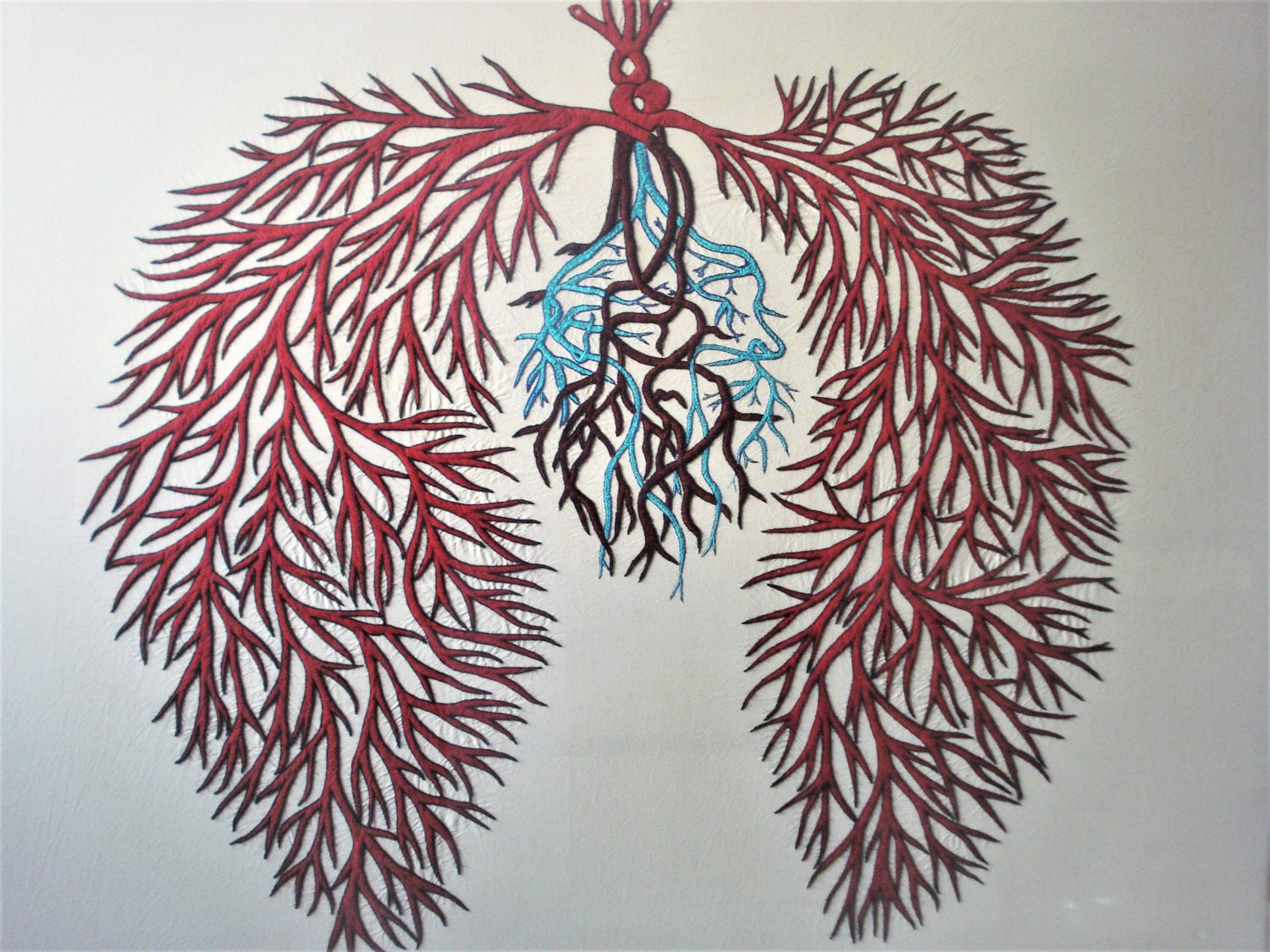
Untitle Embordery on linen. Embordery by my mom
Anatomias Imposibles.
Medicine Museum of Mexico City.
2012
Medicine Museum of Mexico City.
X-rays of the Soul: The work of Carlos Santos.
Medical science, from Hippocrates to Leonardo Da Vinci’s anatomical studies, and even today, remains covered in a halo of magic of light and shadow that, throughout history, seems to memesomeize not a few artists. This is despite great technological advances and the desacralization of having new cures and a different understanding of this science, as it was, for example, in the Middle Ages or the Renaissance.
The dichotomy of the human body as content and container, has developed two studies and masterpieces in art that go beyond the simple contemplation and enchantment by the silhouettes of the body and the projection of the flesh, as a symbiotic manifestation of the soul.
To think about how Lucian Freud managed, through strong strokes and color, to give another dimension to the body-container, stripping matter of its coldness, and sowing in each work a spiritual and psychological element of each model; establishing a deep reflection between the creator, his creation and those who contemplate; which certainly brings us, centuries ago, to the astonishment that those who, for the first time, contemplated the body from within, must have felt; the body in its scientific perspective as content.
This same look, this repetitive plastic vision of observing the human body from within, generating an analysis and revision of matter, as a whole, where the soul admits no separation, and through pencil, ink, paper, embroidered thread and even bones of animals, Carlos Santos highlights a plastic discourse that gives rise to and updates questions about life and death; and without the need to claim to respond, it makes clear the inexplicable about our weak and wonderful corporeal condition.
Because it is no stranger that his research has brought him to the classrooms of the Faculty of Medicine, and that with that curiosity of apprentice magician he has developed an authentic work that sticks to his own philosophy of life. With the rigor of anatomist, Santos has delved into the gaps of the body-content. In the looms that, patiently, has been embroidered: heart, veins, arteries or lungs, reminiscent of old illustrations of medicine; but that is present in a fresh and modern reflection on the genesis of life, where he fully manifests himself as an artist.
With constancy, discipline and with a character thrown, but above all independent, Carlos Santos goes down a difficult and intricate path. He does not give in to complacency when his plastic finds have led him to make his series of embroidery in fabric, and that he saw exhausted at the time, turning away from falling into a simple commercial and marketing formula. Because his creativity does not stick to a few elements, but constantly investigates the potential of the various materials that serve his work.
The series of X-rays, made of charcoal on paper, as well as the series of black drawings, are mantras that communicate the body with the soul. It is the image that records the passage of time, it is the timeless footprint that is left. And with this awareness of his role as a creator, as an artist, Santos does not reveal a frivolous and accommodating attitude towards the heralds of consumption and the art market. He understands the mechanisms that lead to the work of diffusion of galleries and museums, and humbly recognizes the strength and value of the work of others, vehemently defending the production of new values in plastic.
It is assumed in its conceptual individuality, aiming to move forward and break to insert in the end another vision: his, which is no different from that of Gabriel Orozco; which is also not far from that of Antony Gormley, to mention only the two of them. Because when soul and body are given to the mission of art, as he does, the result cannot be from another.
Carlos Santos builds his work with strength, dedication and originality that is only to be glimpsed into few creators, in this world of art today so tainted with fashions, poses and consumerism.
From the walked path, in the work of Santos, there is still much to see; and just like Virgil in the Divine Comedy, at the end of the road, everything makes sense. Over the years and hard work he puts together the puzzle, as if it were a dismembered body, traveling and exhausting each portion of it, as if it were a new conquest, revealing the wonder that should not be lost. Because on the borders of his work he is born and dies every day.
Antonio León
Radiografías del Alma: La obra de Carlos Santos.
La ciencia médica, desde Hipócrates hasta los estudios anatómicos de Leonardo Da Vinci, y aún hoy, permanece cubierta de un halo de magia de luz y sombra que, a lo largo de la historia, parece hipnotizar a no pocos artistas. Ello a pesar de los grandes avances tecnológicos y la desacralización que significa contar con nuevas curas y un entendimiento distinto de esta ciencia, a como lo era por ejemplo en la edad media o en el renacimiento.
La dicotomía del cuerpo humano como contenido y contenedor, ha desarrollado sendos estudios y obras maestras en el arte que van más allá de la simple contemplación y embeleso por las siluetas del cuerpo y la proyección de la carne, como una manifestación simbiótica del alma.
Pensar en cómo Lucian Freud logró, a través de trazos fuertes y color, dar otra dimensión al cuerpo-contenedor, despojando a la materia de su frialdad, y sembrando en cada obra un elemento espiritual y psicológico de cada modelo; llegando a instaurar una reflexión profunda entre el creador, su creación y quienes contemplan; lo que sin duda nos remite, siglos atrás, al asombro que debieron sentir aquellos que, por primera vez, contemplaron el cuerpo desde adentro; el cuerpo en su perspectiva científica como contenido.
Esta misma mirada, esta visión plástica reiterativa de observar al cuerpo humano desde adentro, generando un análisis y una revisión de la materia, como un todo, donde el alma no admite separación alguna, y a través del lápiz, tinta, papel, hilo bordado e incluso huesos de animales, Carlos Santos pone de manifiesto un discurso plástico que da pie y actualiza las interrogantes sobre la vida y la muerte; y sin necesidad de pretender dar respuesta, hace evidente lo inexplicable sobre nuestra débil y maravillosa condición corpórea.
Porque no es ajeno que su labor de investigación le haya llevado a las aulas de la Facultad de Medicina, y que con esa curiosidad de aprendiz de mago haya desarrollado un trabajo auténtico que se ciñe a su propia filosofía de vida. Con el rigor de anatomista, Santos ha profundizado en las brechas del cuerpo-contenido. En los telares que, de manera paciente, ha ido bordado: corazón, venas, arterias o pulmones, con reminiscencia de viejas ilustraciones de medicina; pero que se hace presente en una reflexión fresca y moderna sobre la génesis de la vida, donde plenamente se manifiesta como artista.
Con constancia, disciplina y con un carácter arrojado, pero sobre todo independiente, Carlos Santos va recorriendo un difícil e intrincado camino. No se rinde ante la autocomplacencia cuando sus hallazgos plásticos le han llevado a realizar su serie de los bordados en tela, y que él vio agotado en su momento, alejándose de caer en una simple formula comercial y de mercadotecnia. Porque su creatividad no se ciñe a unos pocos elementos, sino que indaga constantemente en el potencial de los diversos materiales que sirven a su labor.
La serie de las radiografías, elaboradas con carbón sobre papel, así como las series de los dibujos negros, son mantras que comunica al cuerpo con el alma. Es la imagen lo que graba el paso del tiempo, es la huella intemporal que se va dejando. Y con esa consciencia de su función como creador, como artista, Santos no revela una actitud frívola y complaciente frente a los heraldos del consumo y del mercado del arte. Entiende los mecanismos que mueven a la labor de difusión de las galerías y los museos, y reconoce con humildad la fuerza y el valor de la obra de los otros, defendiendo con vehemencia la producción de los nuevos valores en la plástica.
Se asume en su individualidad conceptual, pretendiendo avanzar y romper para insertar al final otra visión: la suya, la cual no es distinta a la de Gabriel Orozco; que tampoco está alejada de la que tienen Antony Gormley, por mencionar a sólo ellos dos. Porque cuando se entrega alma y cuerpo a la misión del arte, como él hace, el resultado no puede ser de otro.
Carlos Santos va construyendo su obra con fuerza, entrega y originalidad que sólo es de vislumbrarse en poco creadores, en este mundo del arte actual tan contaminado de modas, poses y consumismo.
Del camino andado, en la obra de Santos, aún queda mucho por ver; y tal como Virgilio en la Divina Comedia, al final del camino,todo cobra sentido. Con los años y el trabajo arduo va armando el rompecabezas, como si se tratare de un cuerpo desmembrado, recorriendo y agotando cada porción de él, como si tratare de una nueva conquista, revelando el asombro que no se debe perder. Porque en las fronteras de su obra se nace y muere cada día.
Antonio León
http://pem.facmed.unam.mx/index.php/exposiciones/2013-2016/carlos-santos
