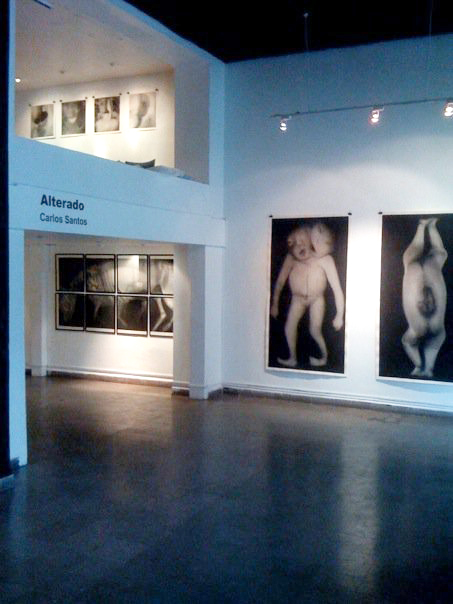
Installation Views of “Alterado” at Trager & Pinto Gallery”.
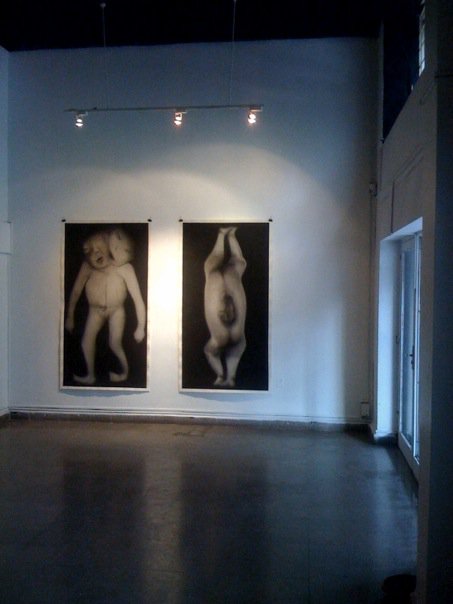
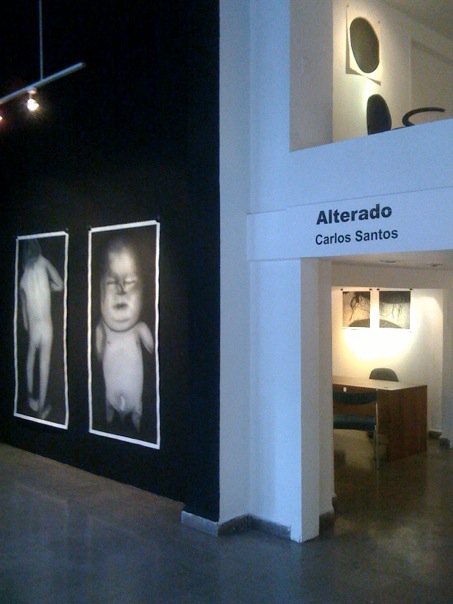
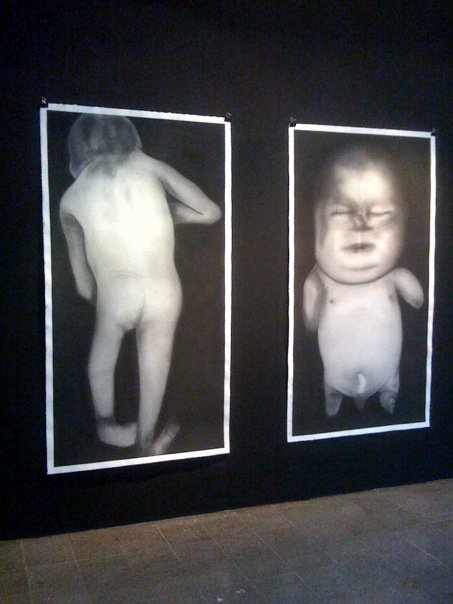
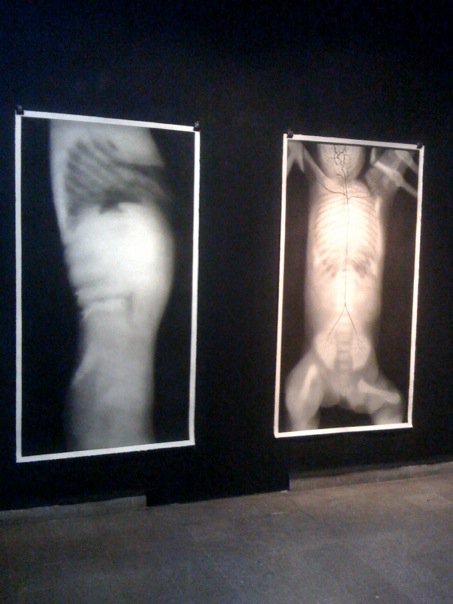
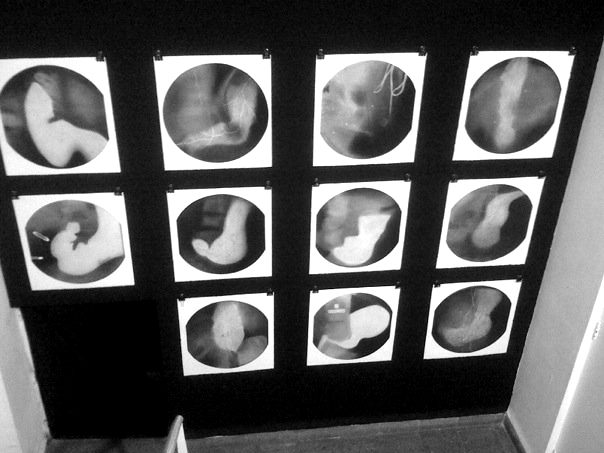
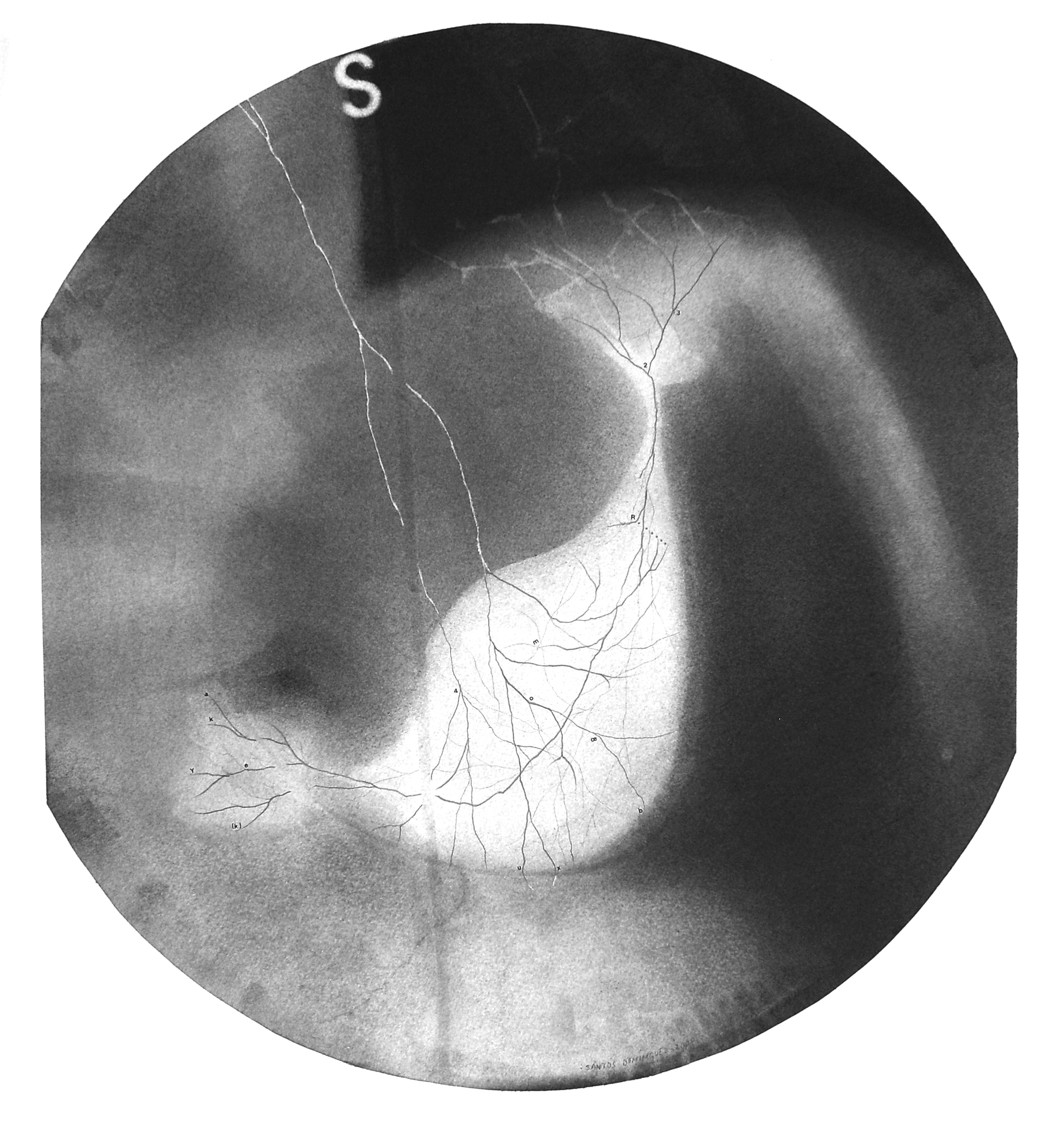
Charcoal, Ink, graphite on cotton paper. 23.6 in x 23.6 in.
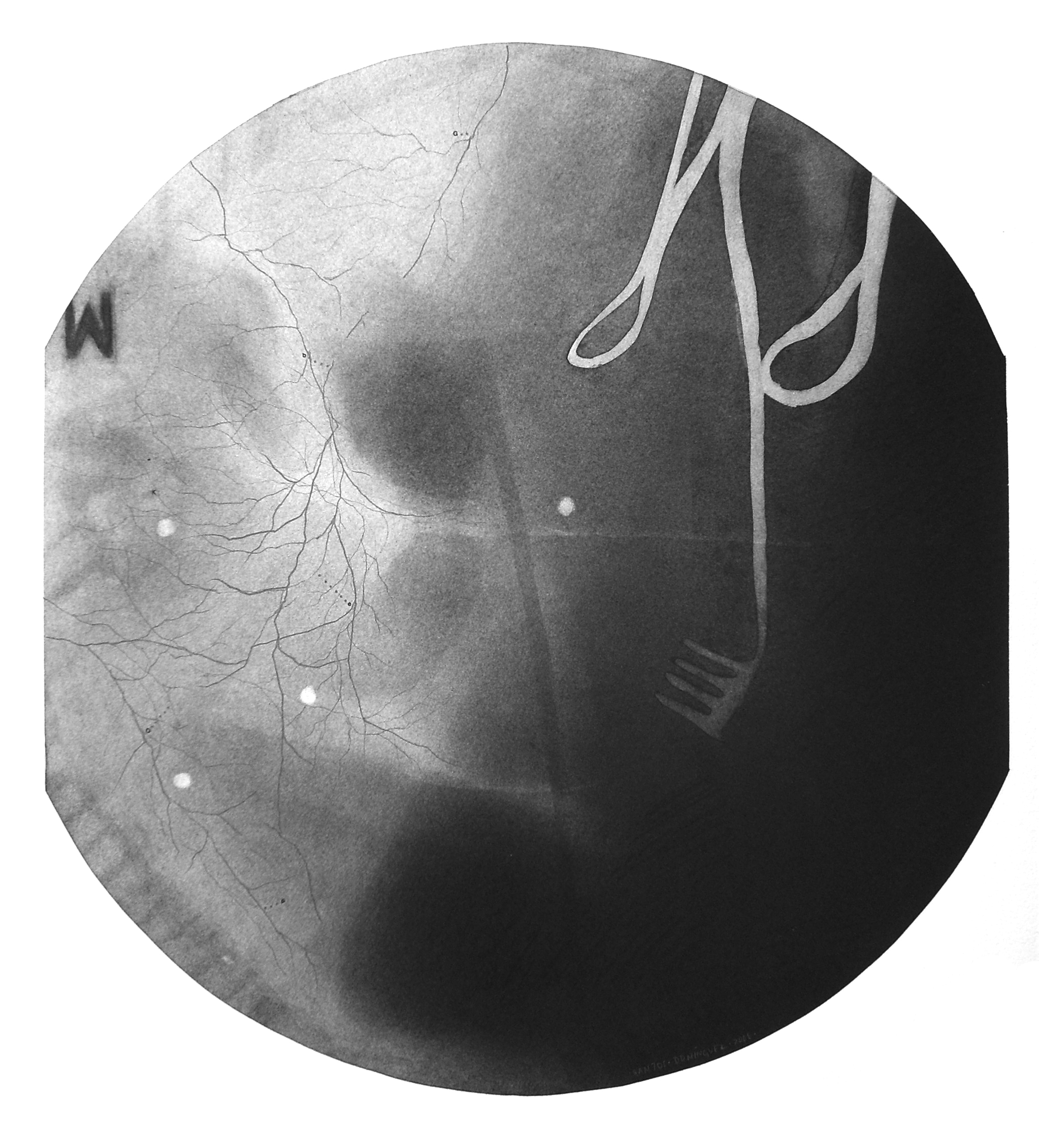
Charcoal, Ink, graphite on cotton paper. 23.6 in x 23.6 in.
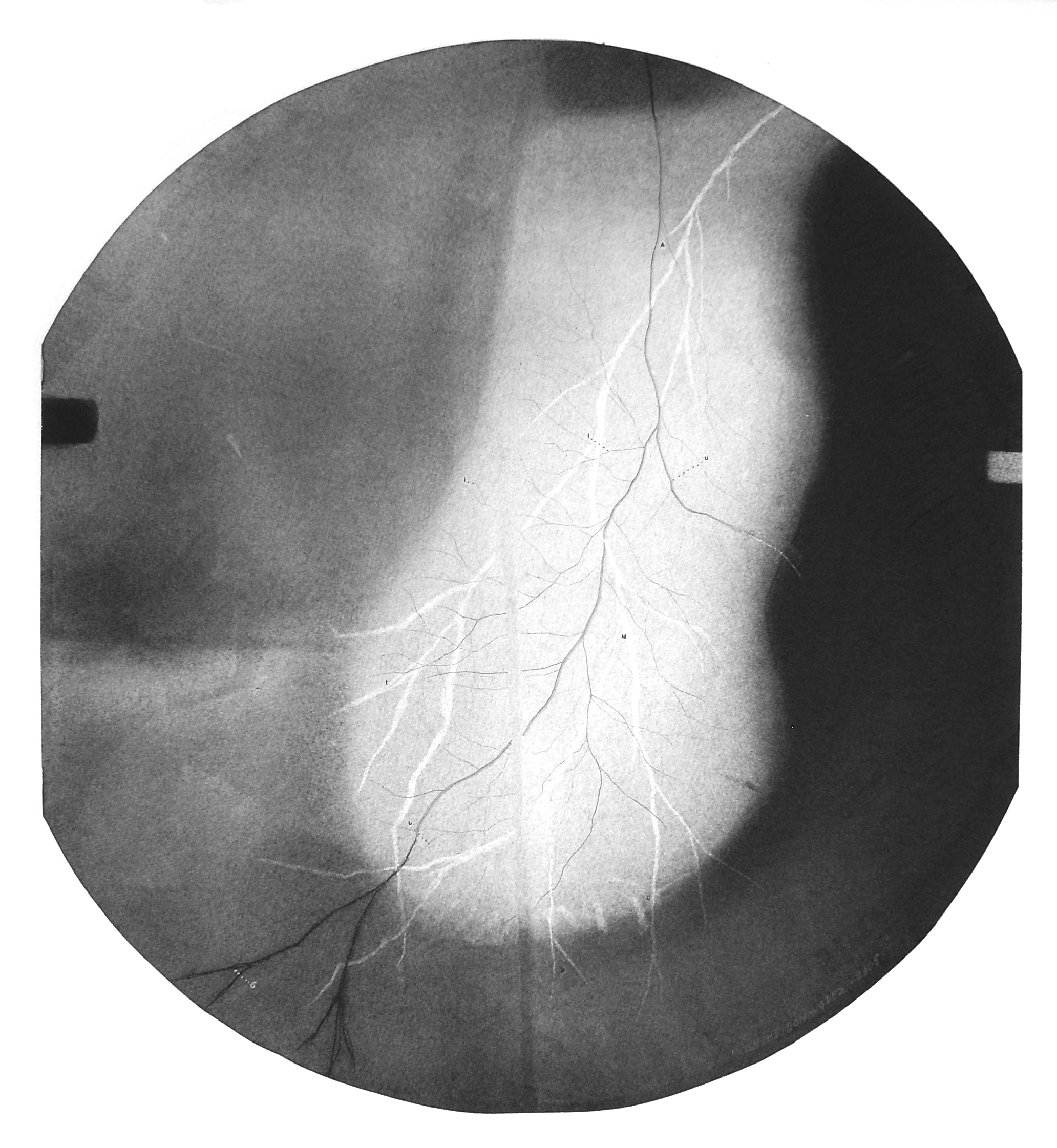
Charcoal, Ink, graphite on cotton paper. 23.6 in x 23.6 in.
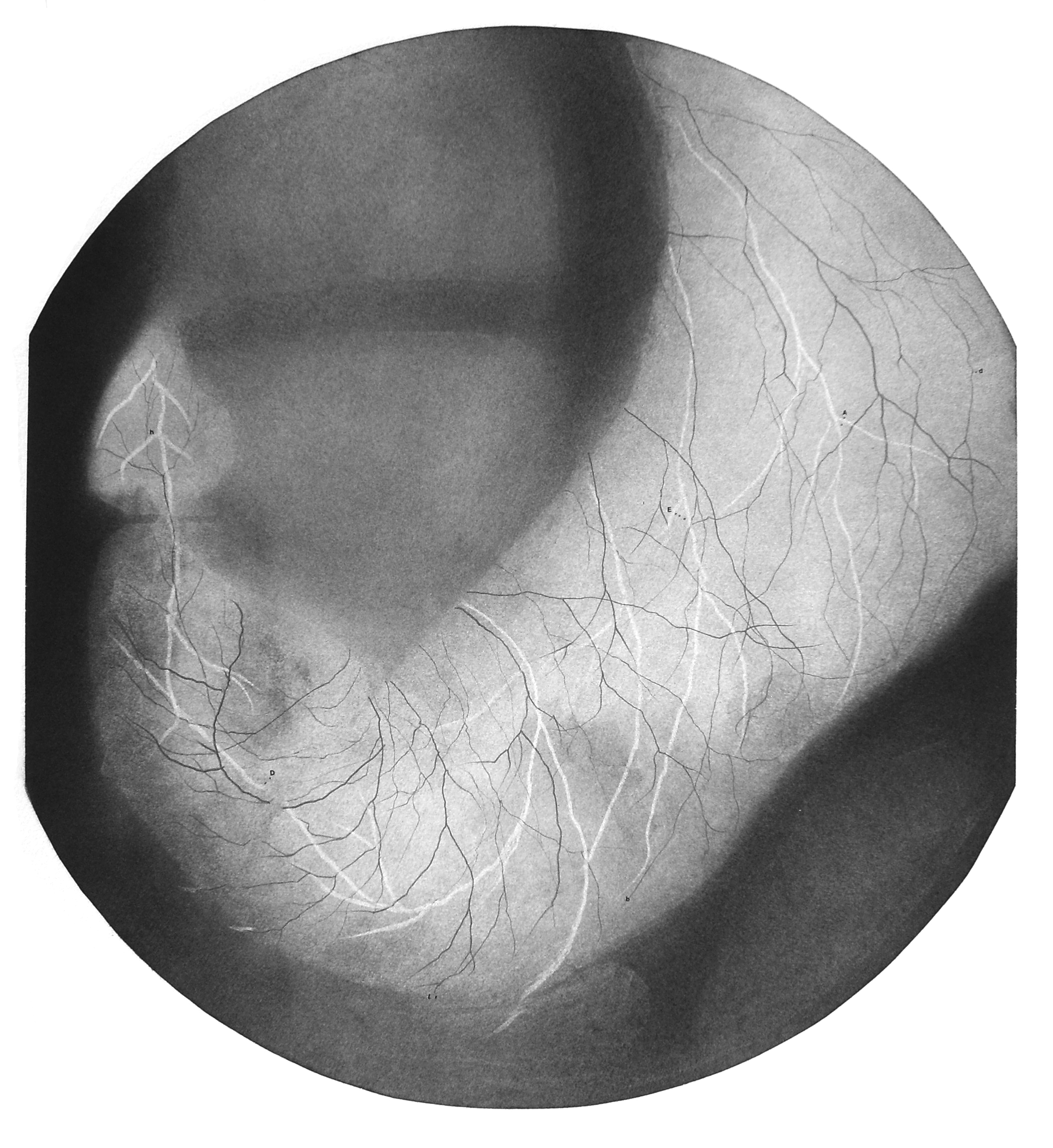
Charcoal, Ink, graphite on cotton paper. 23.6 in x 23.6 in.
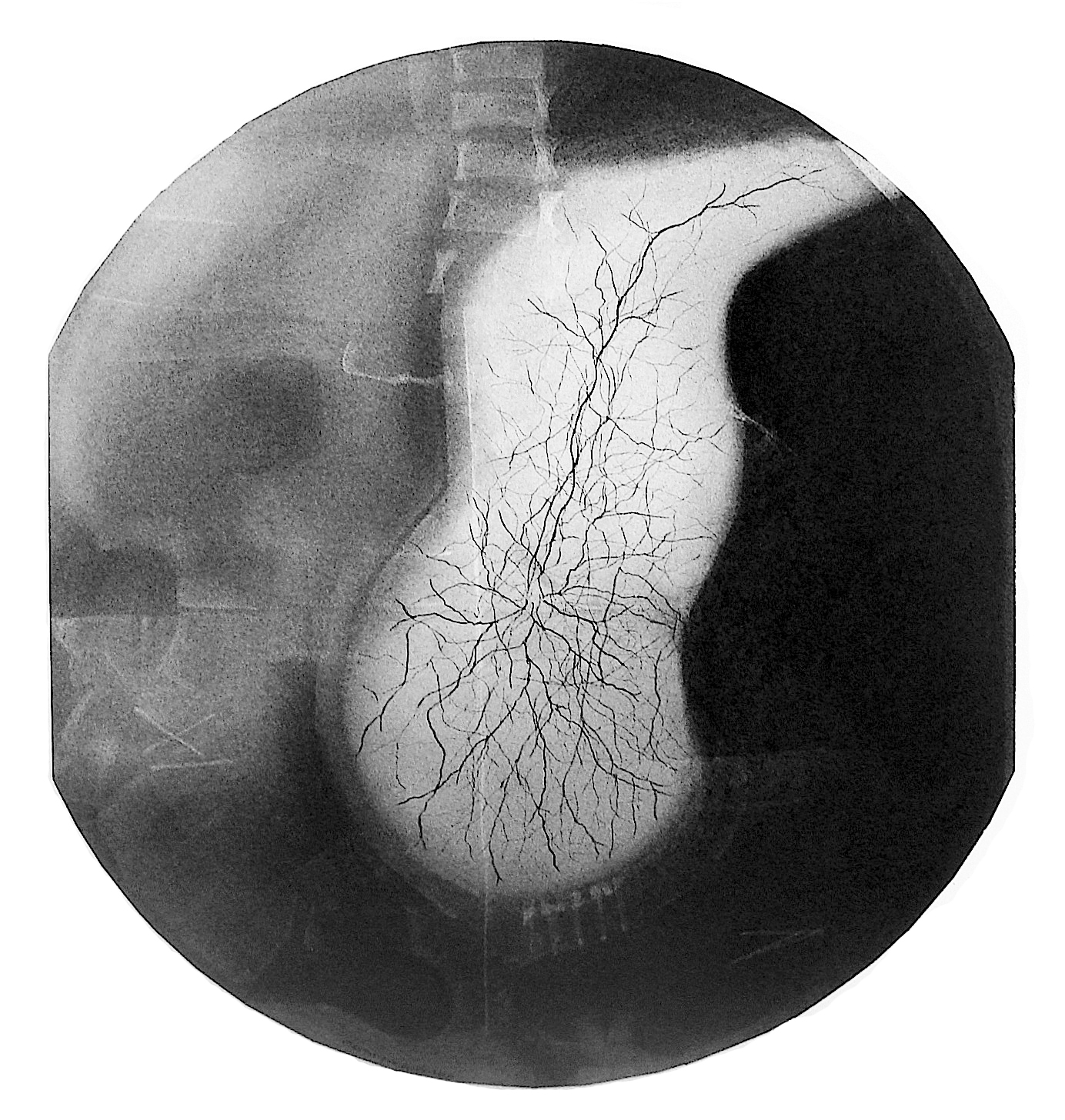
Charcoal, Ink, graphite on cotton paper. 23.6 in x 23.6 in.
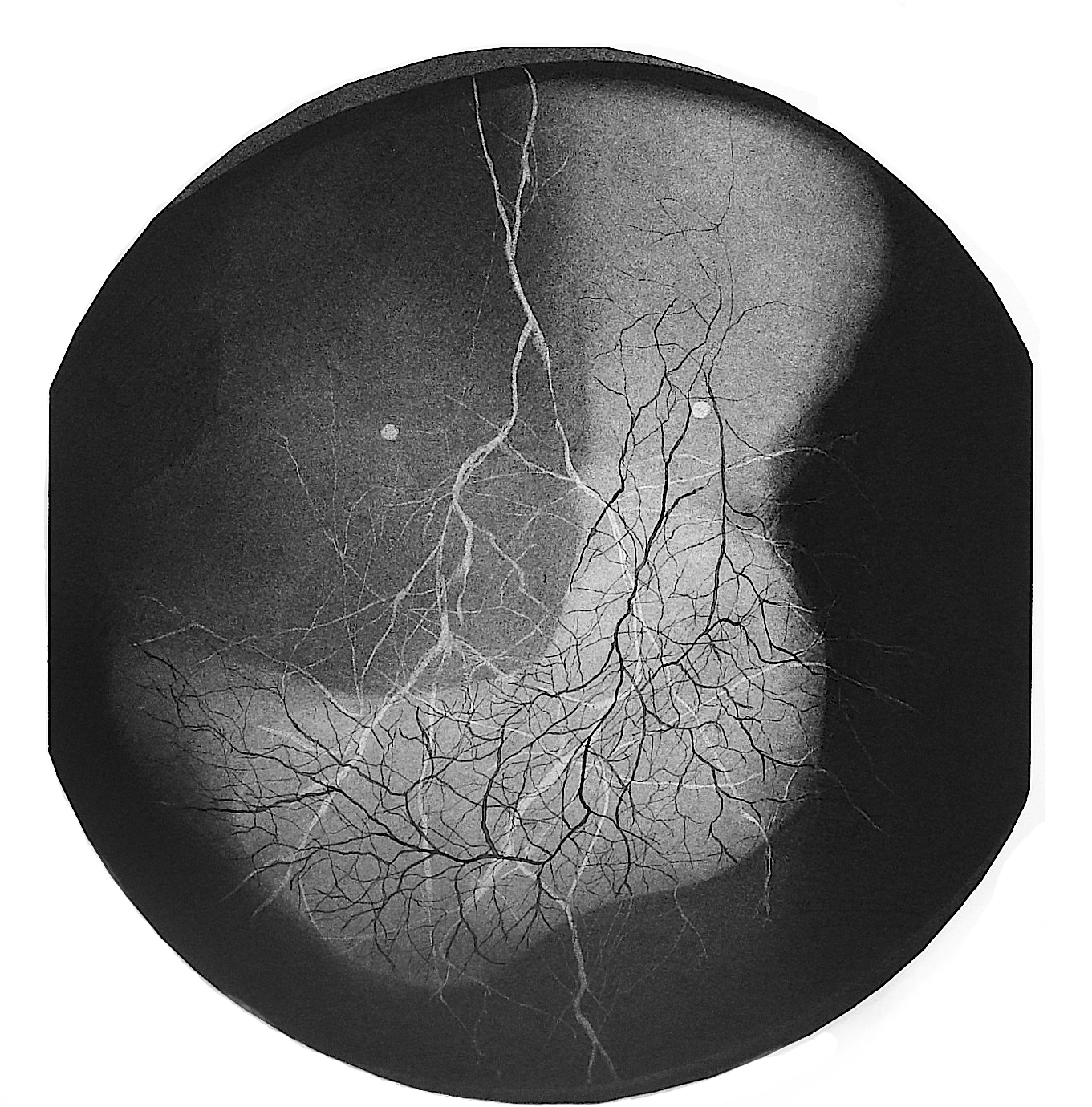
Charcoal, Ink, graphite on cotton paper. 23.6 in x 23.6 in.
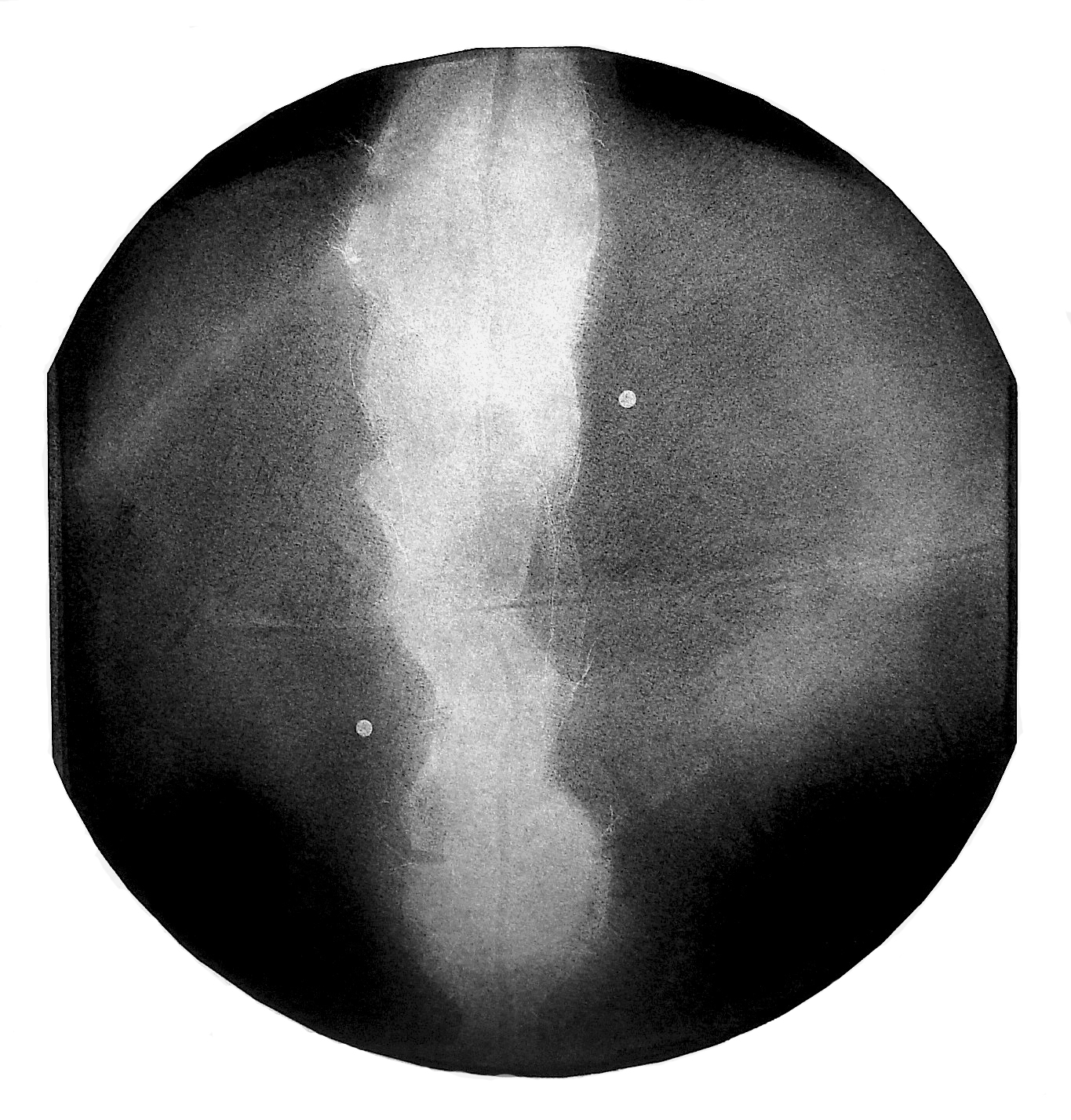
Charcoal, Ink, graphite on cotton paper. 23.6 in x 23.6 in.
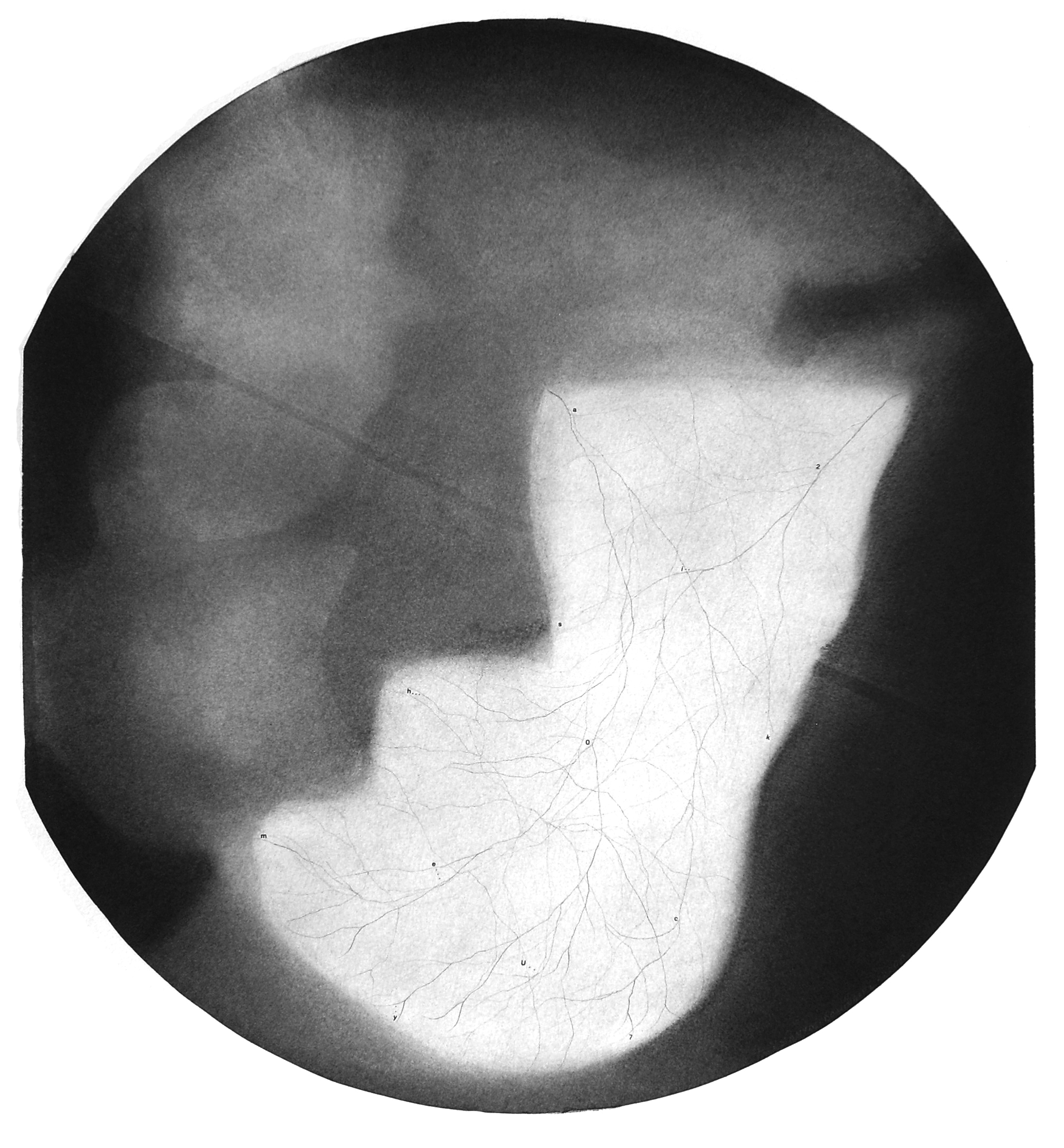
Charcoal, Ink, graphite on cotton paper. 23.6 in x 23.6 in.
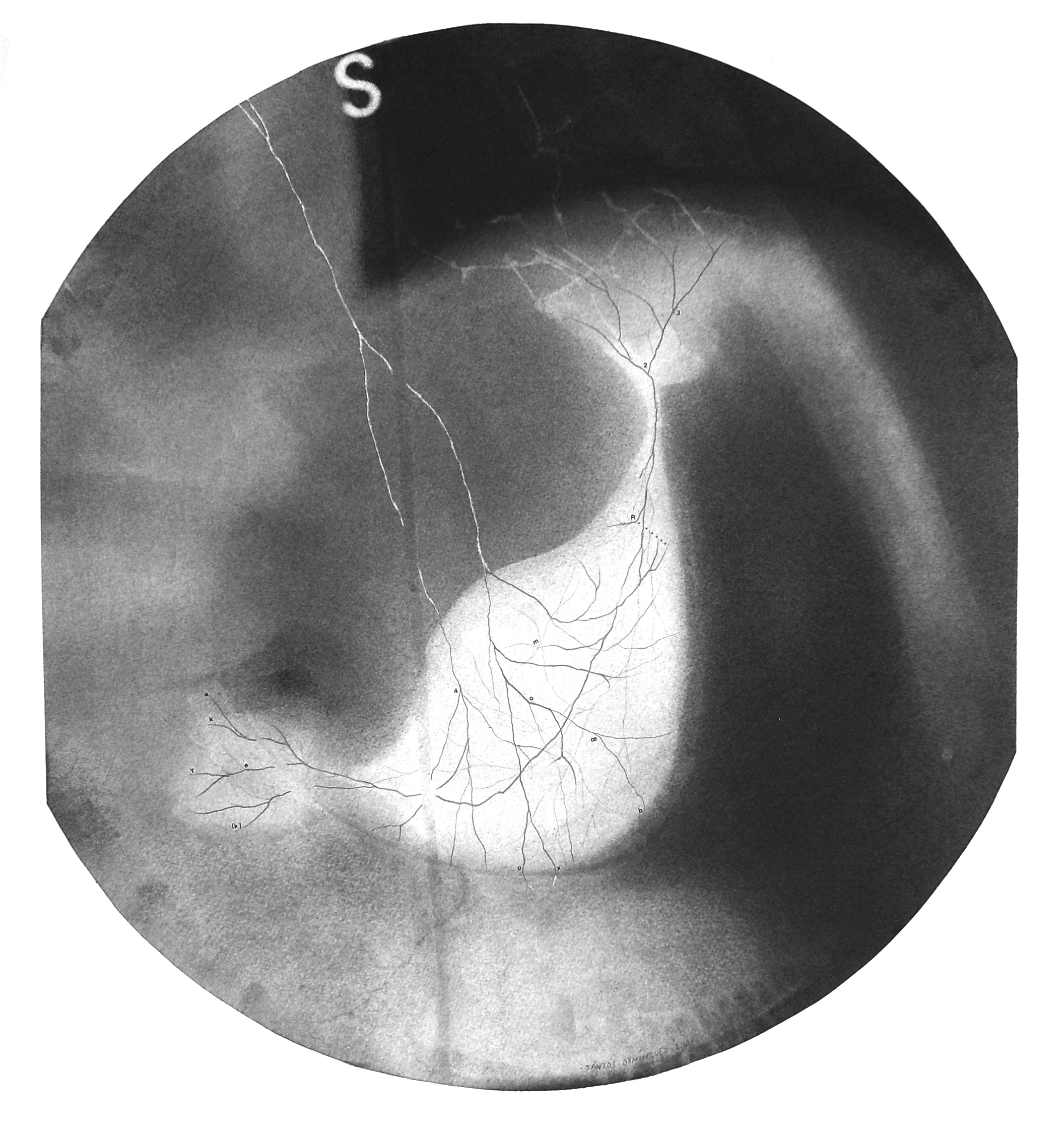
Charcoal, Ink, graphite on cotton paper. 23.6 in x 23.6 in.
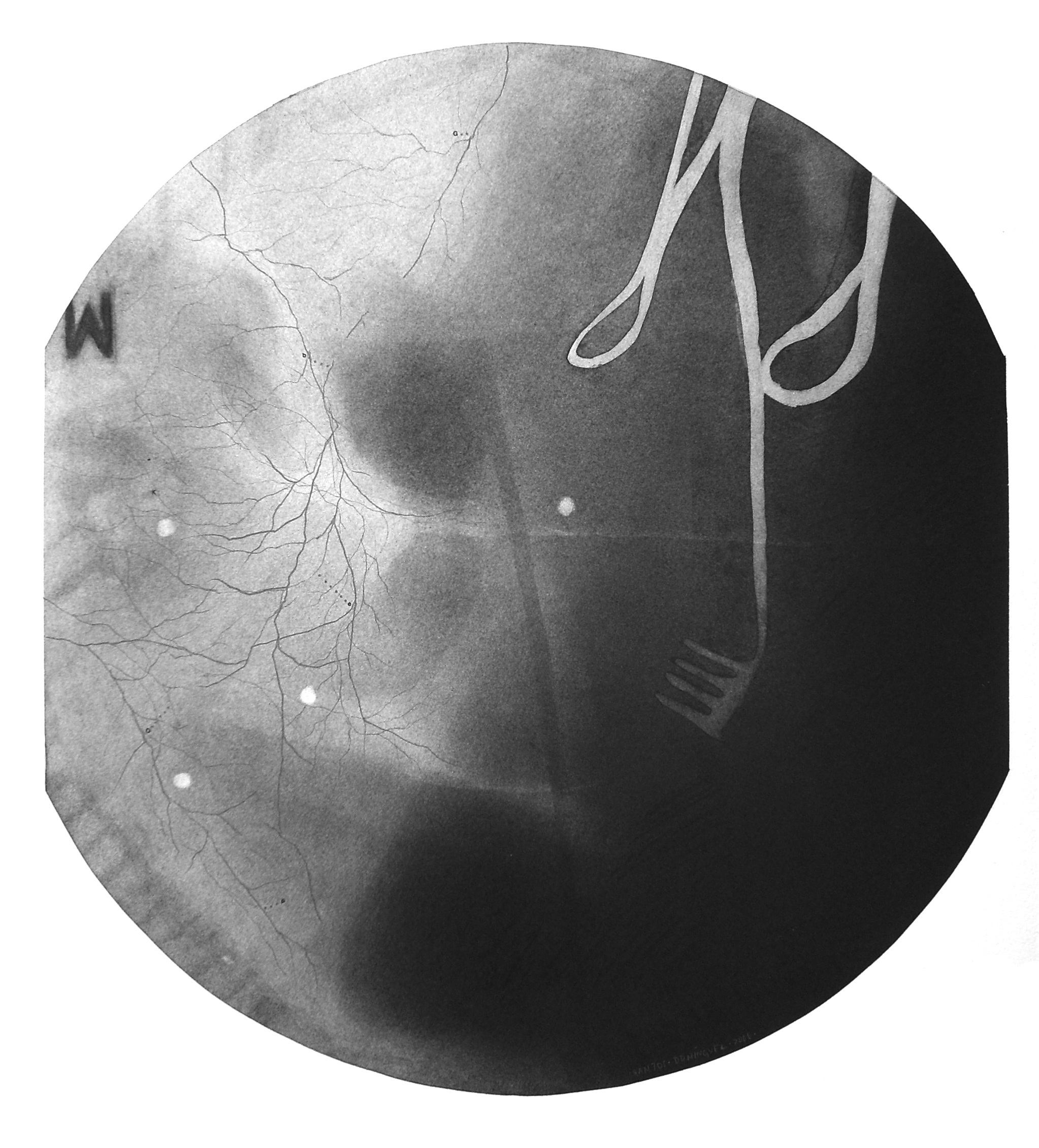
Charcoal, Ink, graphite on cotton paper. 23.6 in x 23.6 in.
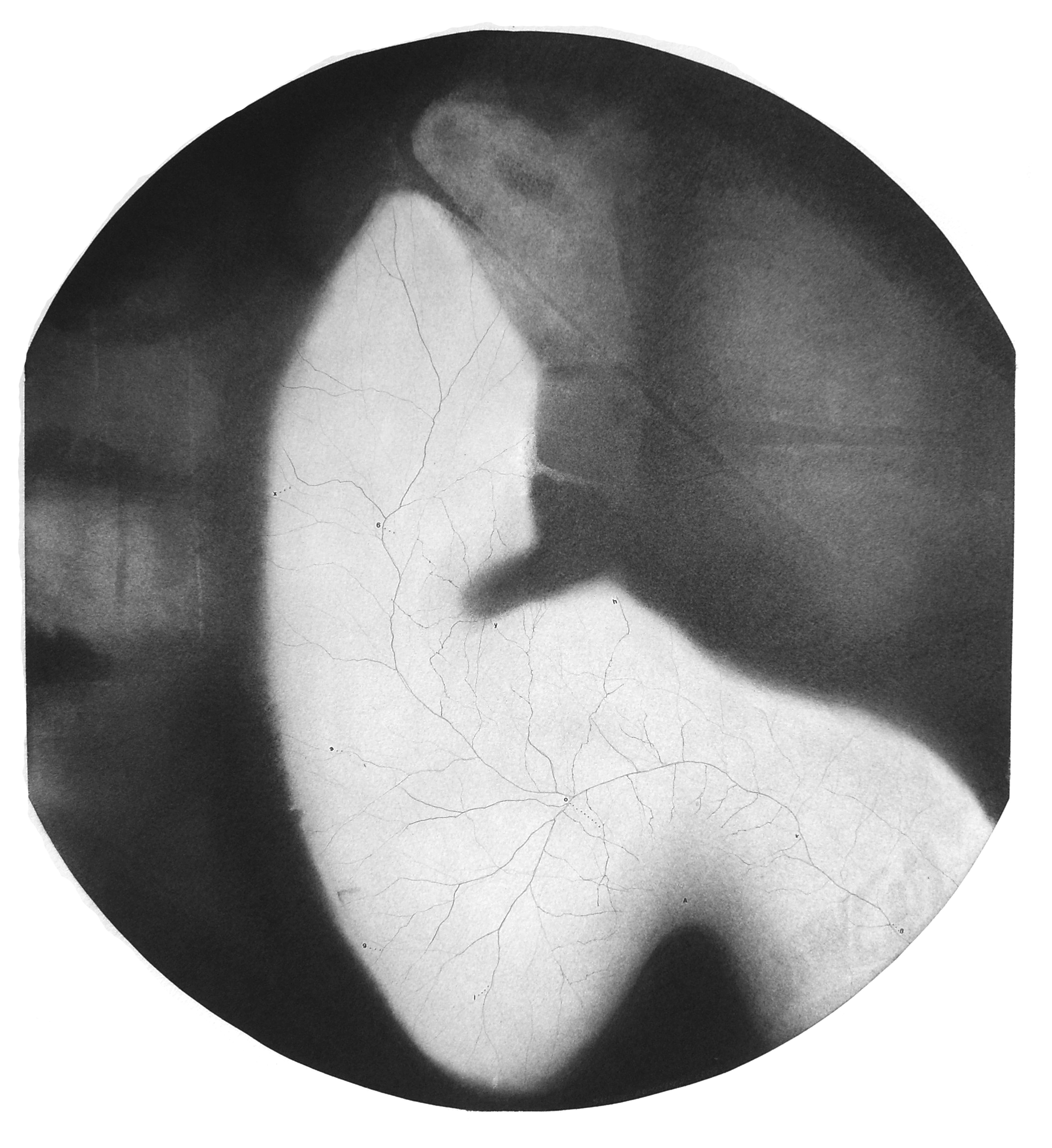
Charcoal, Ink, graphite on cotton paper. 23.6 in x 23.6 in.
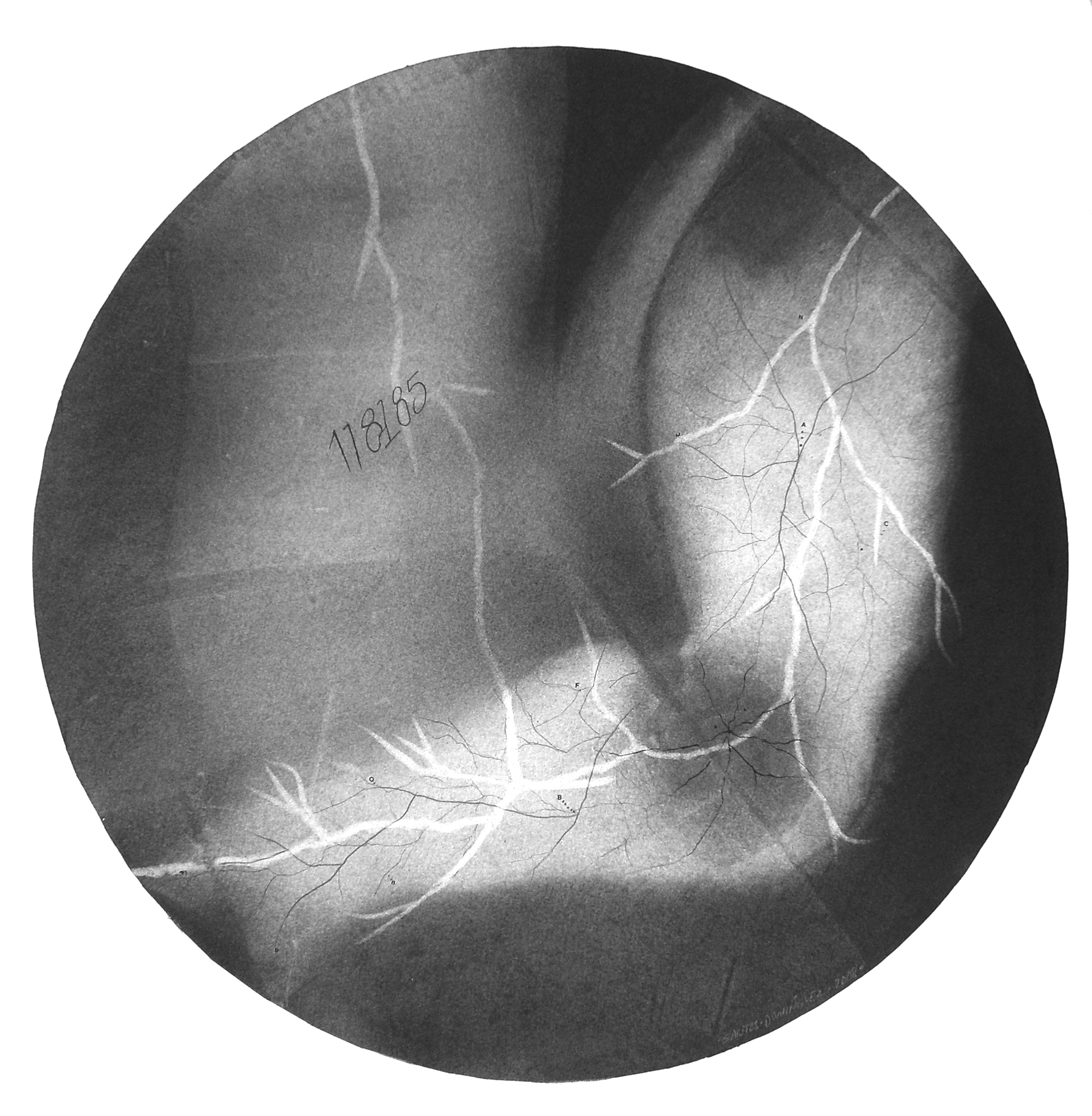
Charcoal, Ink, graphite on cotton paper. 23.6 in x 23.6 in.
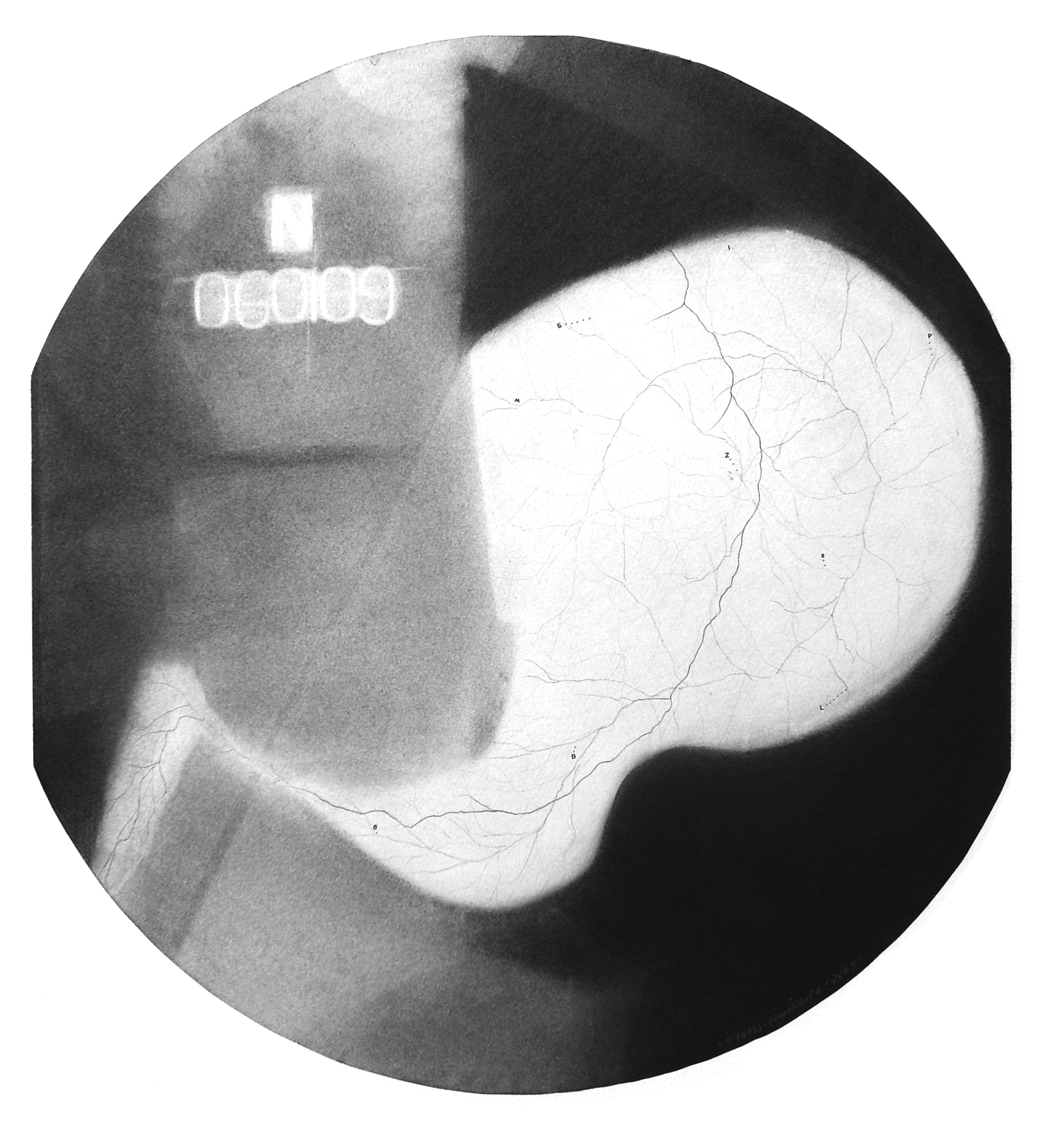
Charcoal, Ink, graphite on cotton paper. 23.6 in x 23.6 in.
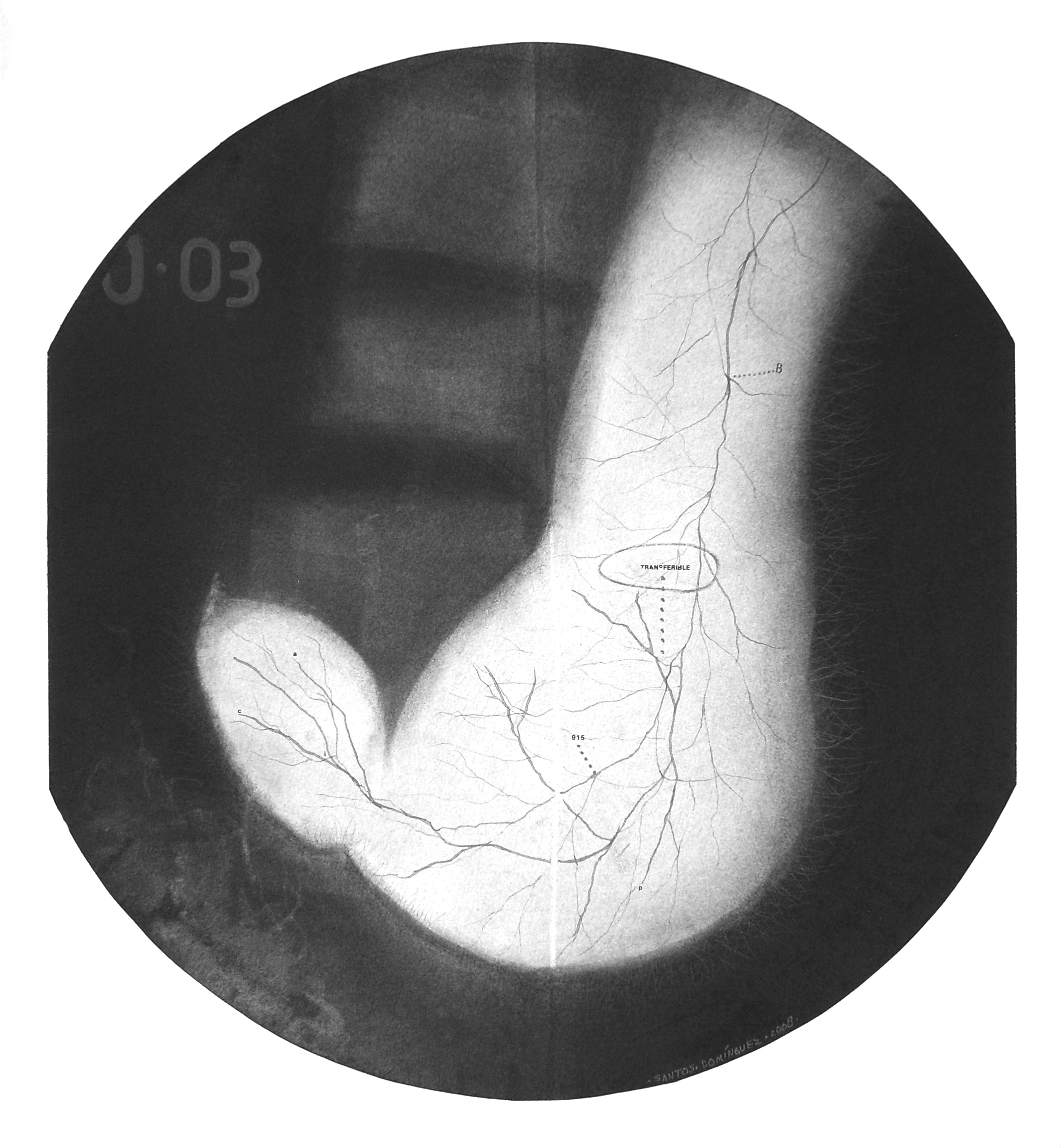
Charcoal, Ink, graphite on cotton paper. 23.6 in x 23.6 in.
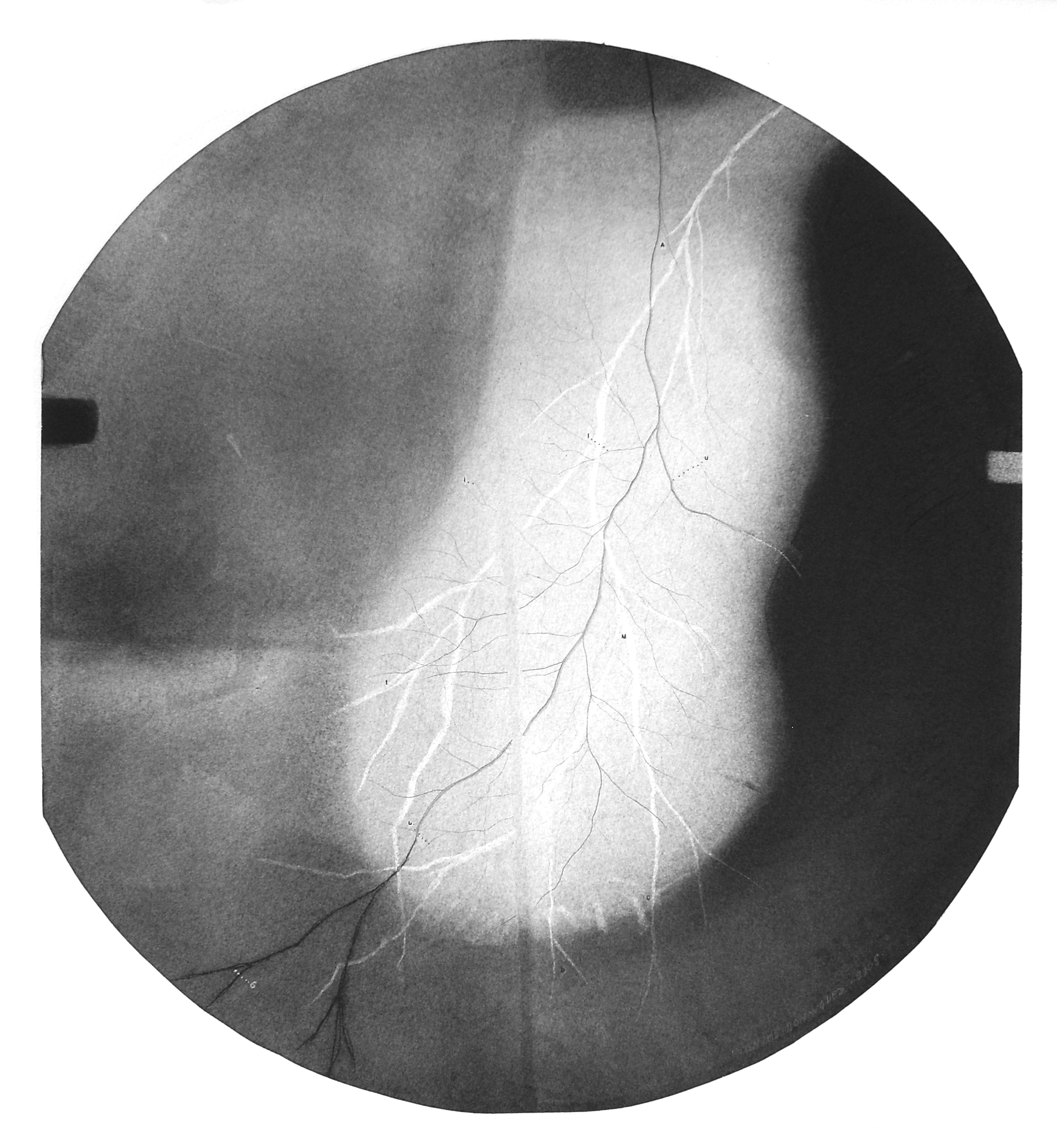
Charcoal, Ink, graphite on cotton paper. 23.6 in x 23.6 in.
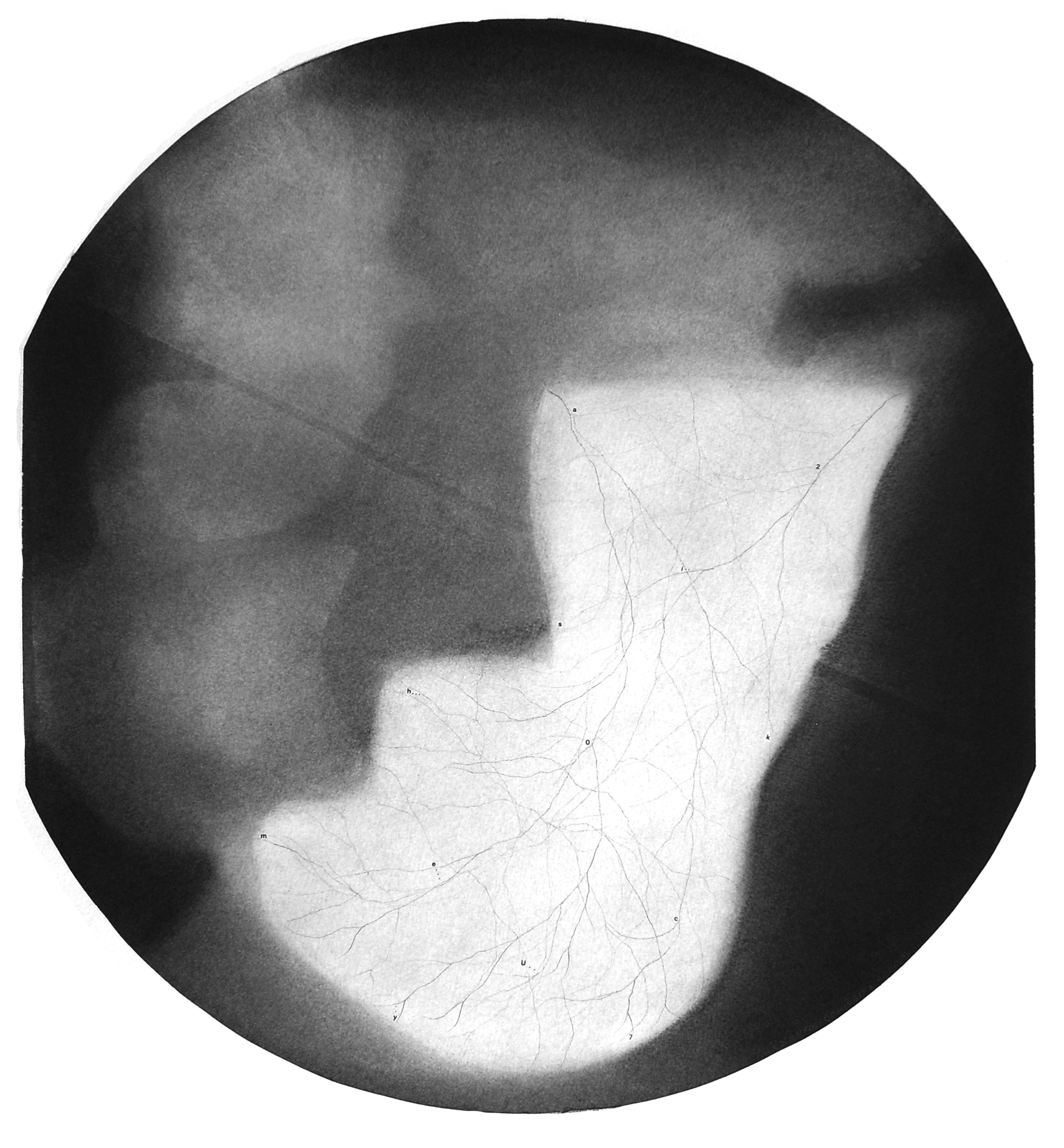
Charcoal, Ink, graphite on cotton paper. 23.6 in x 23.6 in.
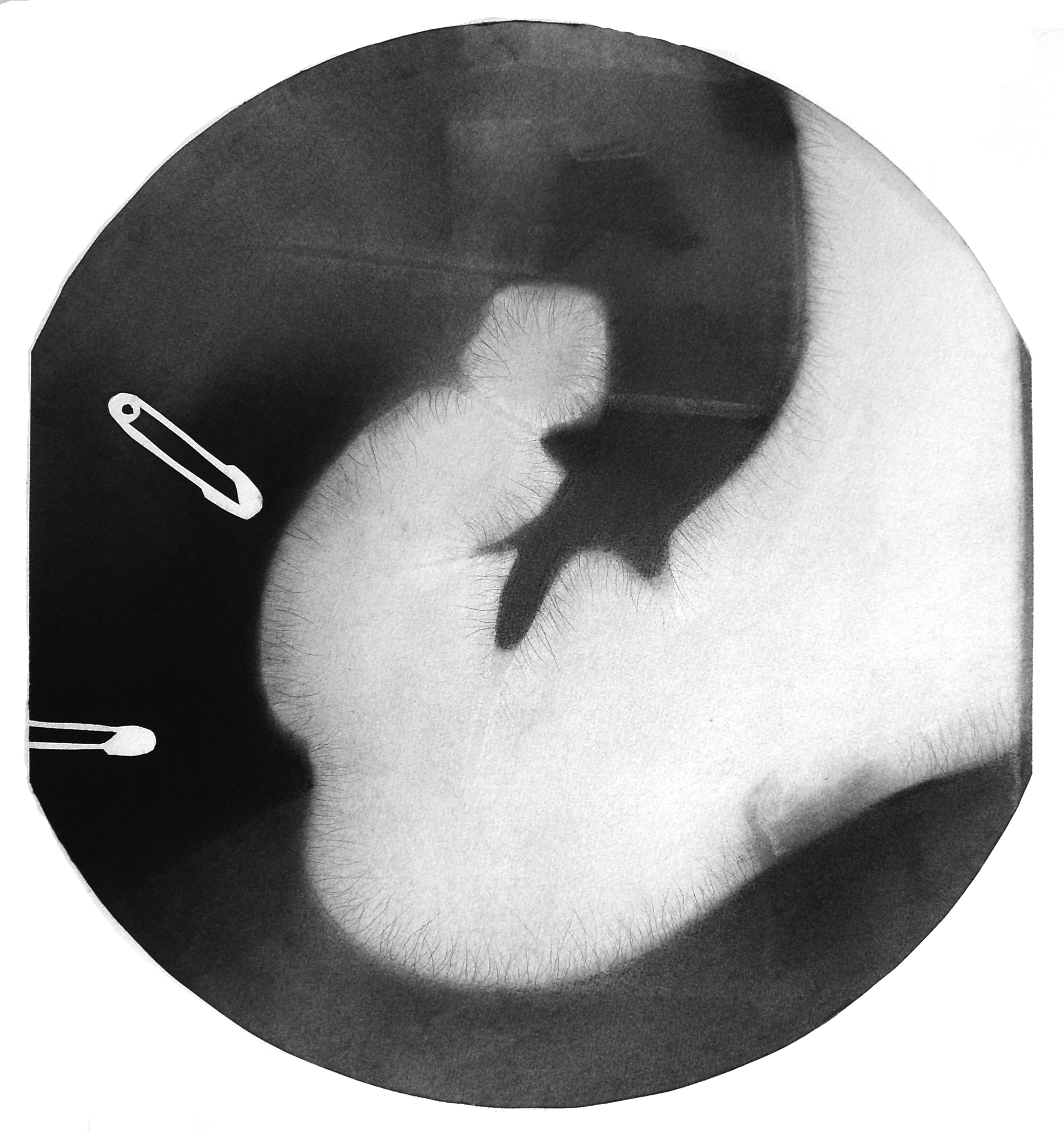
Charcoal, Ink, graphite on cotton paper. 23.6 in x 23.6 in.
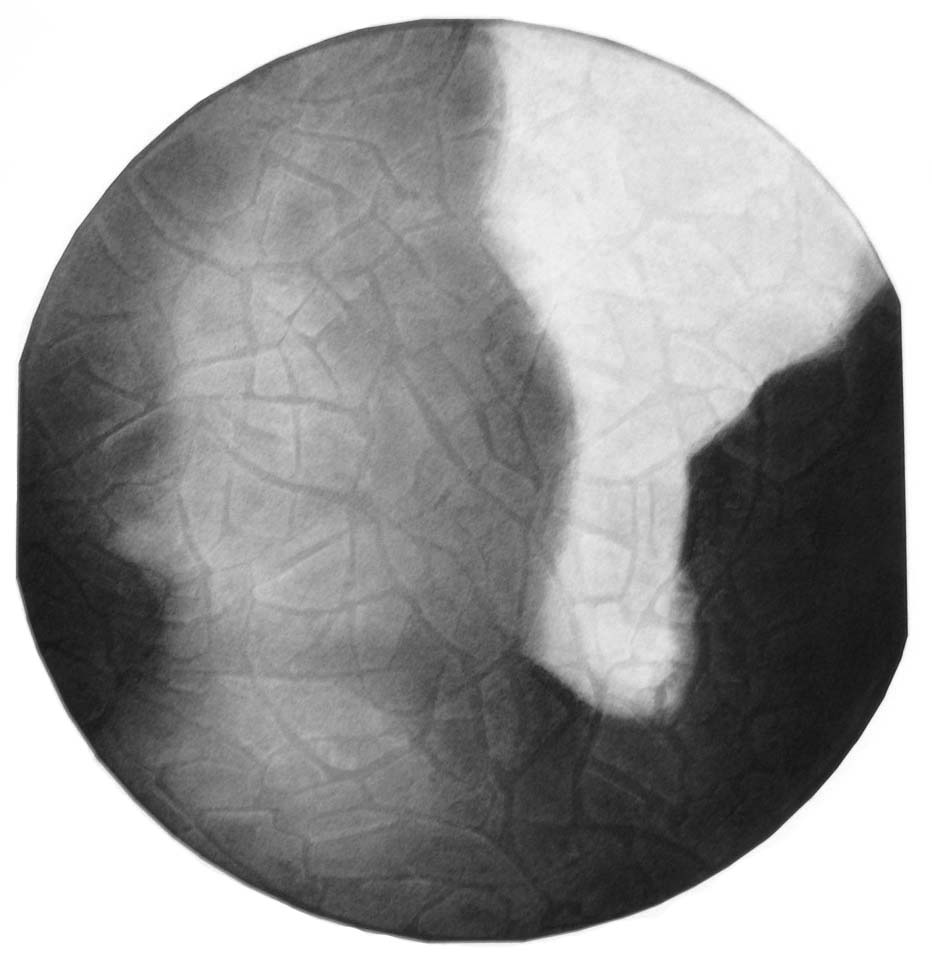
Charcoal, Ink, graphite on cotton paper. 23.6 in x 23.6 in.
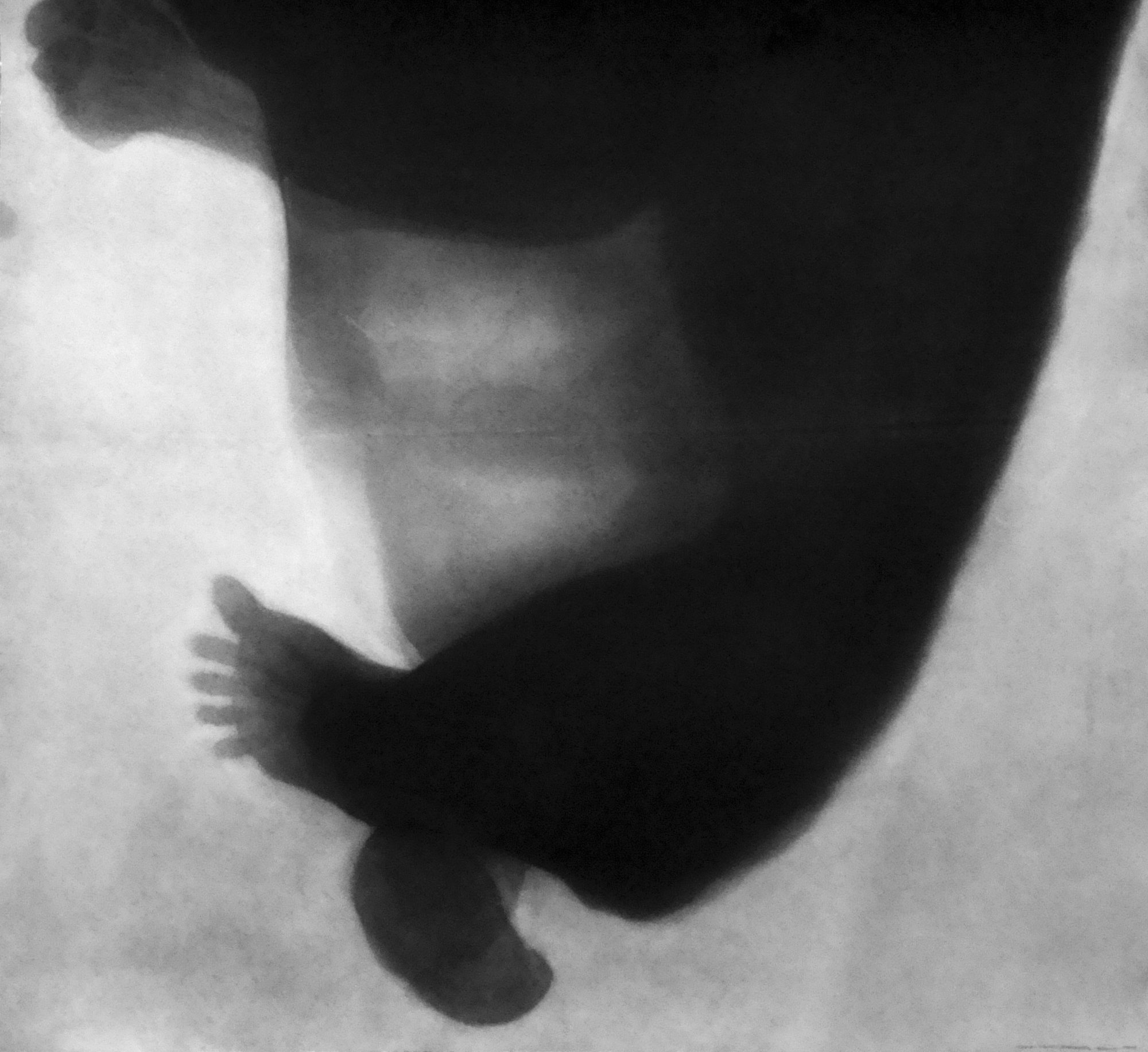
Charcoal, Ink, graphite on cotton paper.
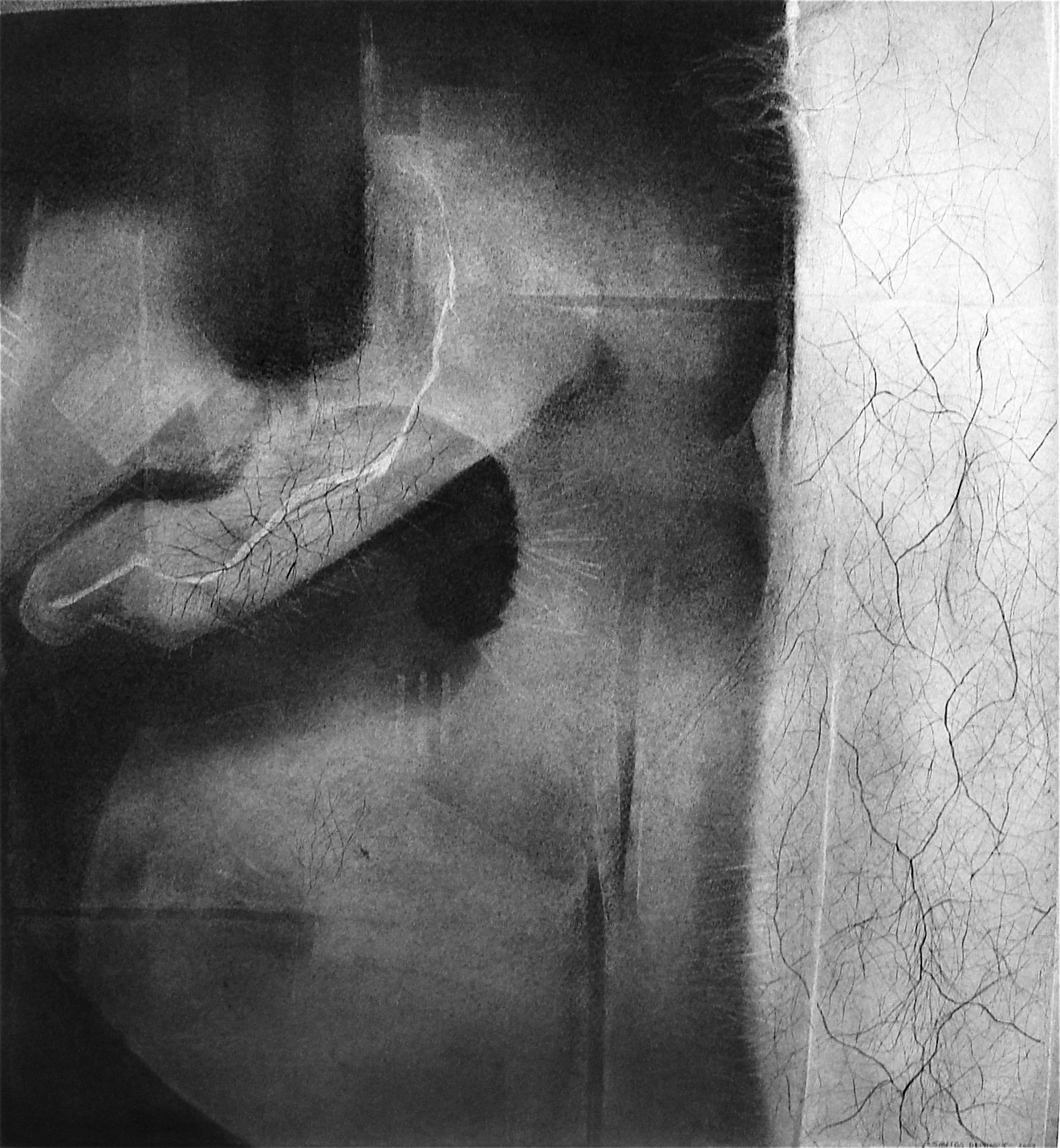
Charcoal, Ink, graphite on cotton paper.
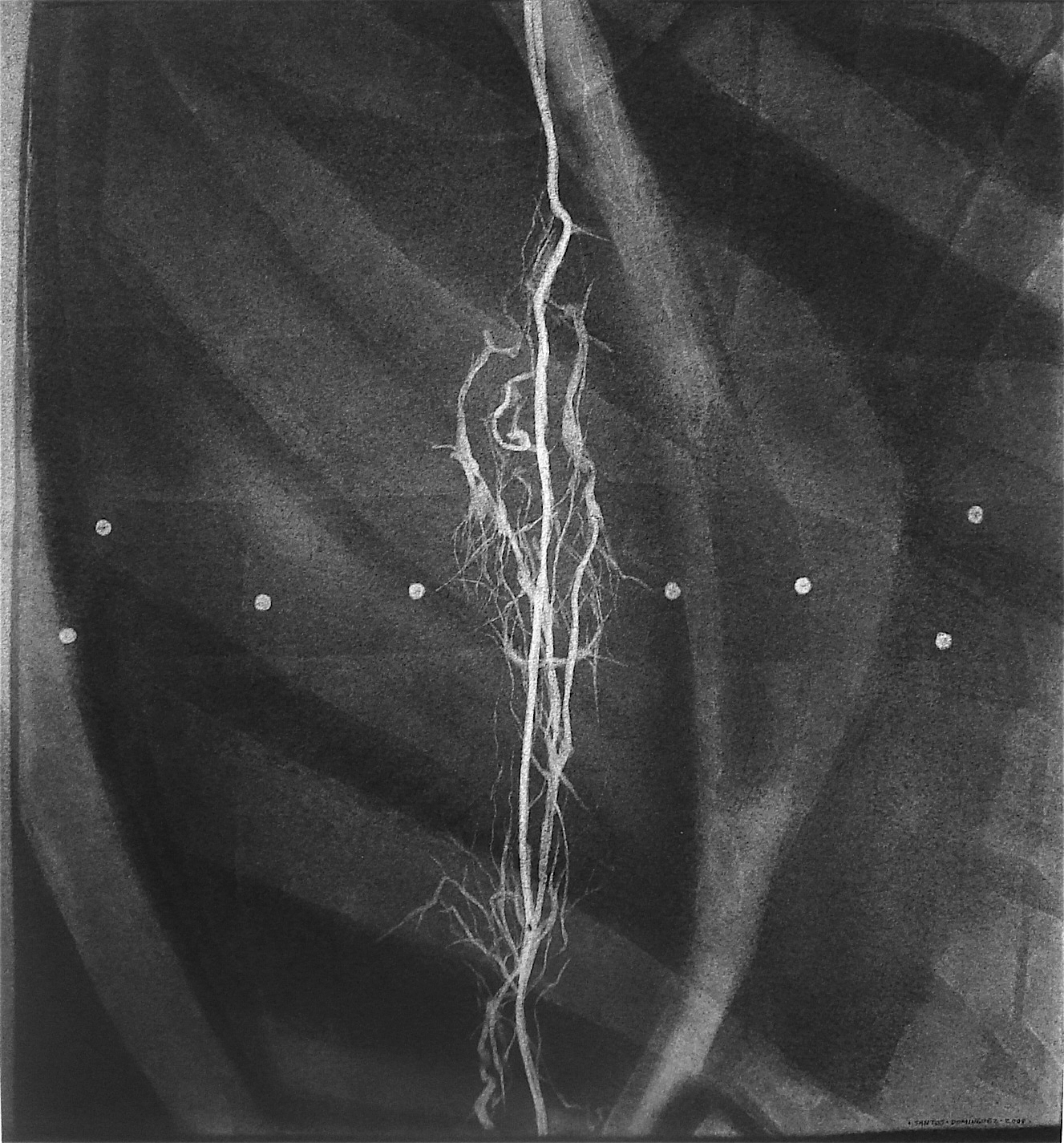
Charcoal, Ink, graphite on cotton paper.
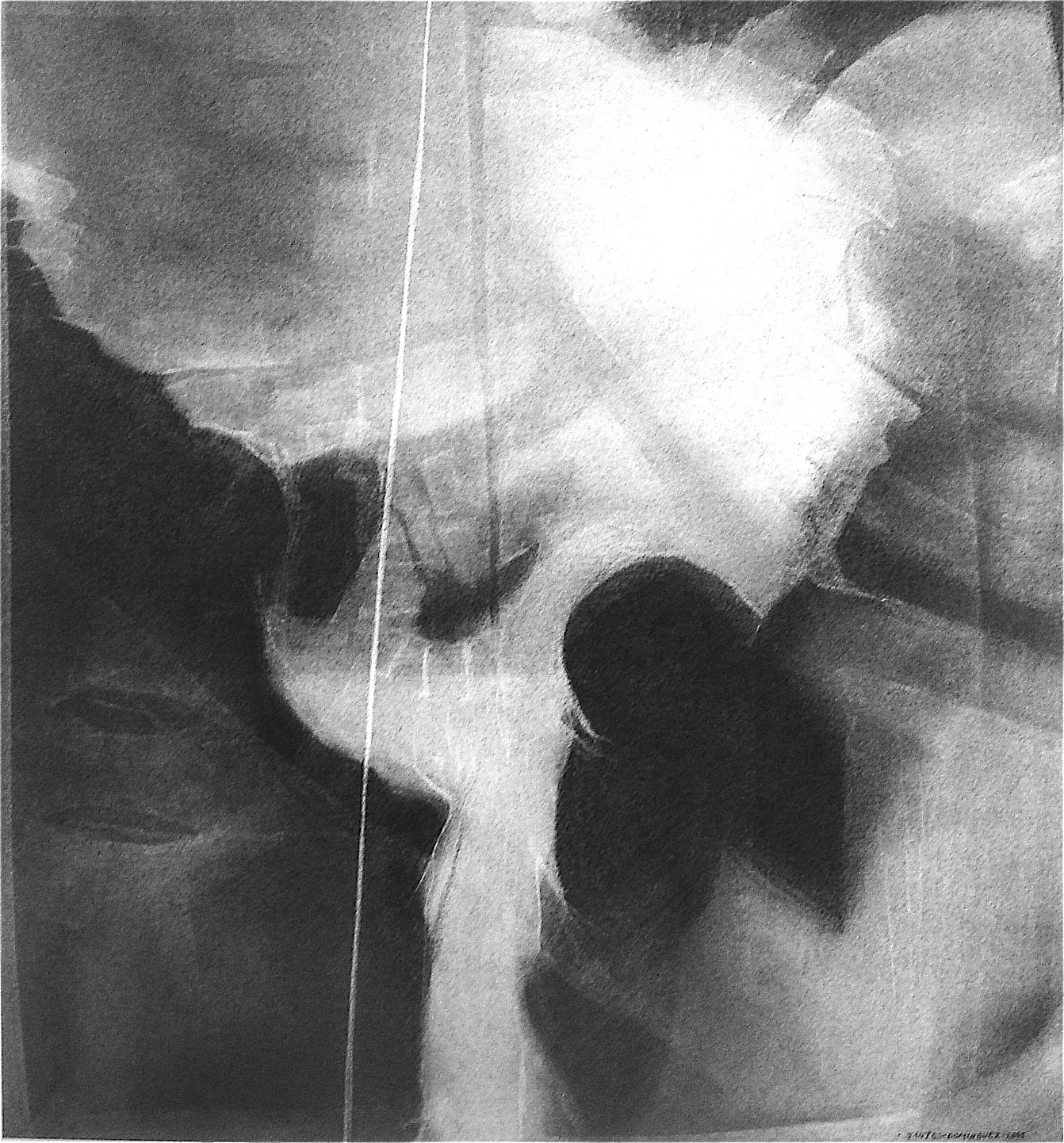
Charcoal, Ink, graphite on cotton paper.
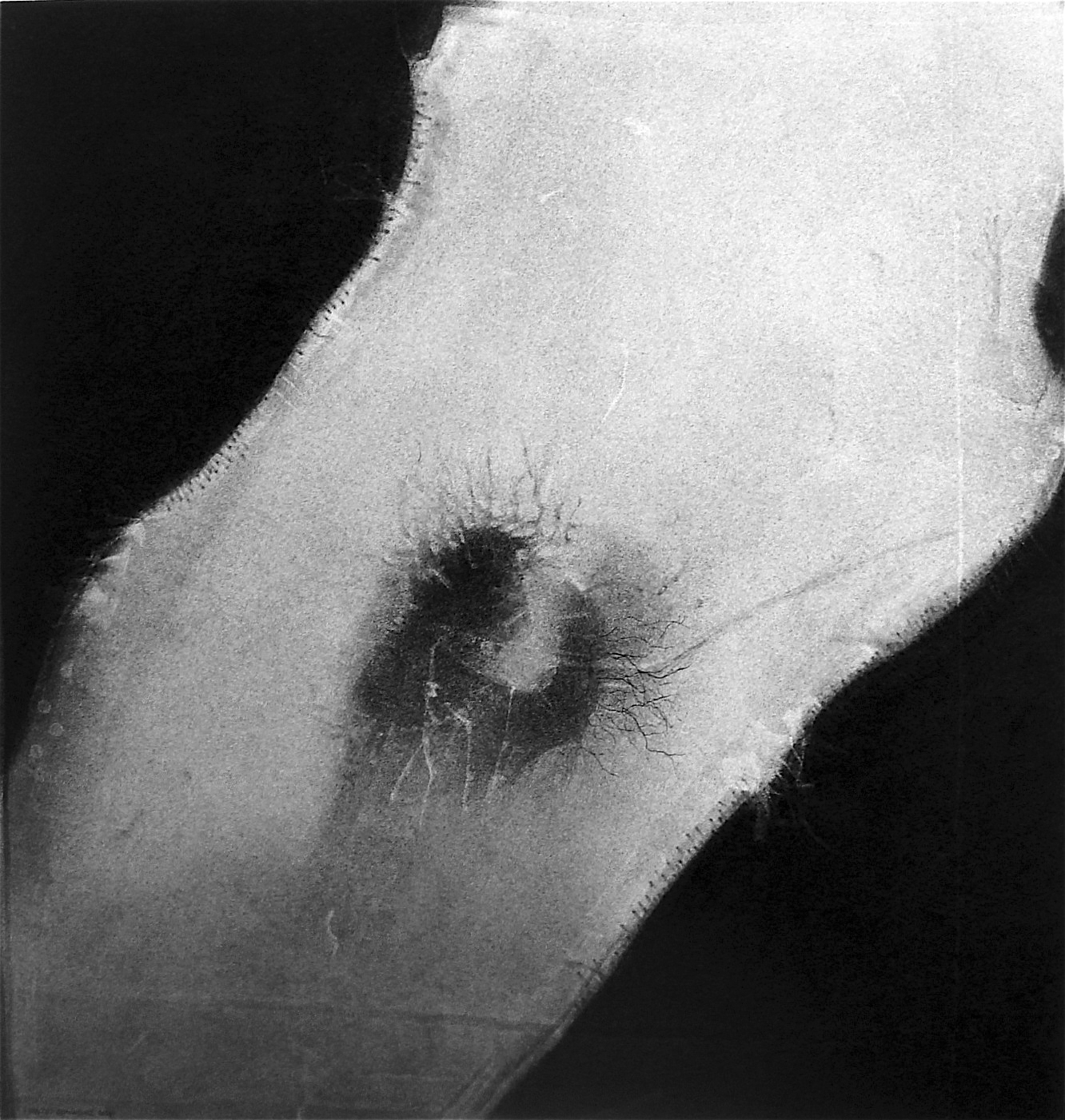
Charcoal, Ink, graphite on cotton paper.
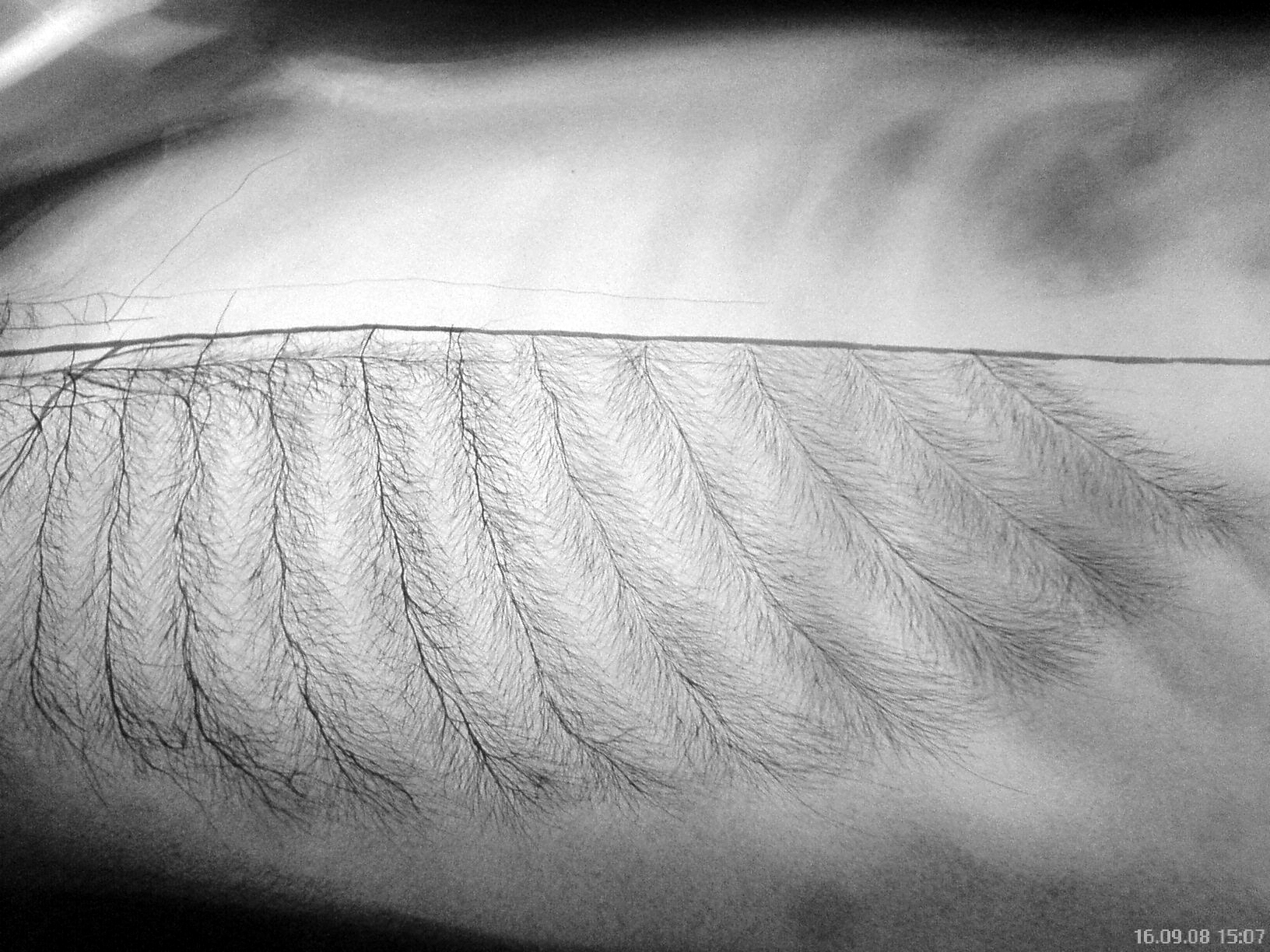
Charcoal, Ink, graphite on cotton paper.
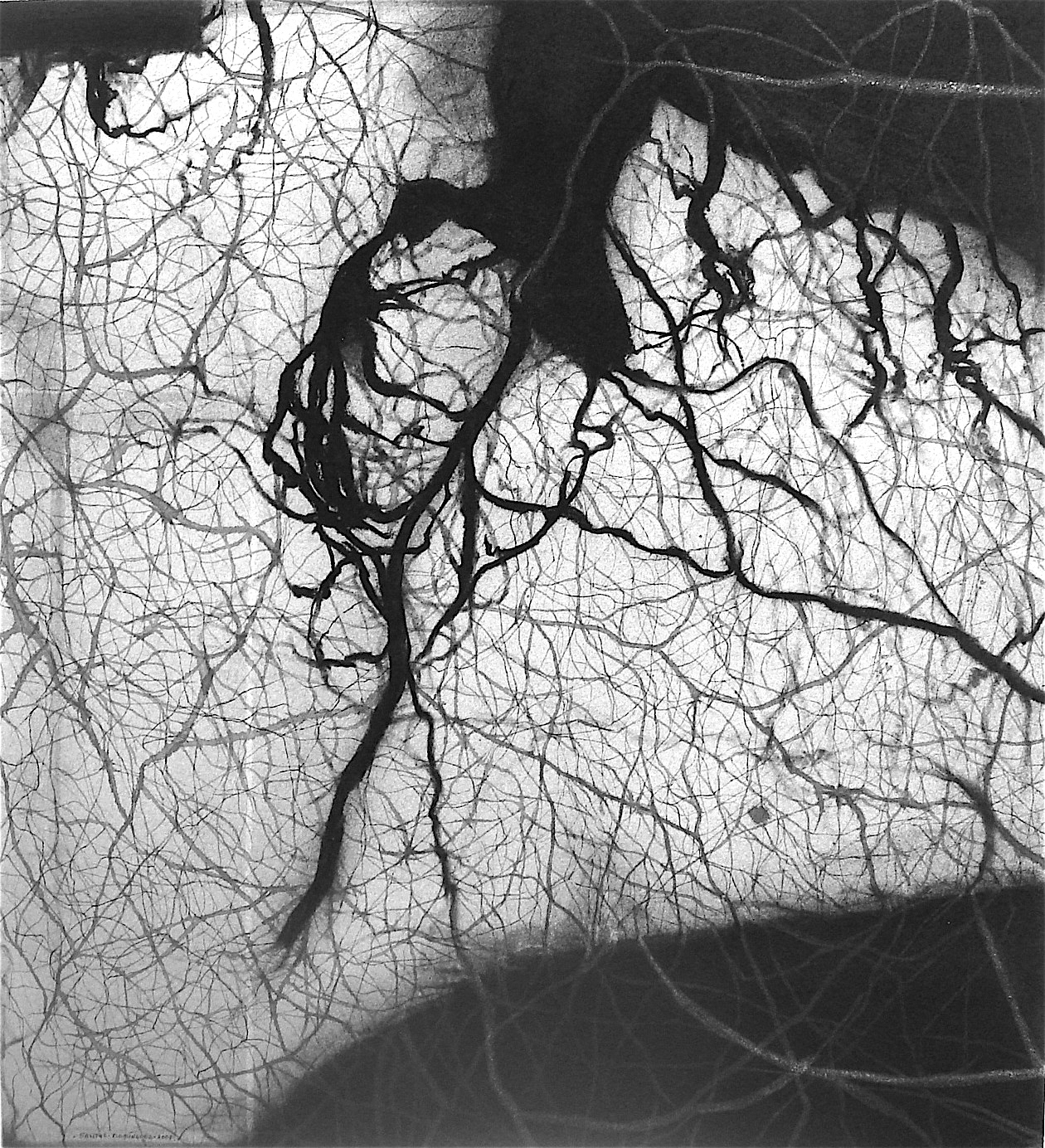
Roots . Charcoal, Ink, graphite on cotton paper.
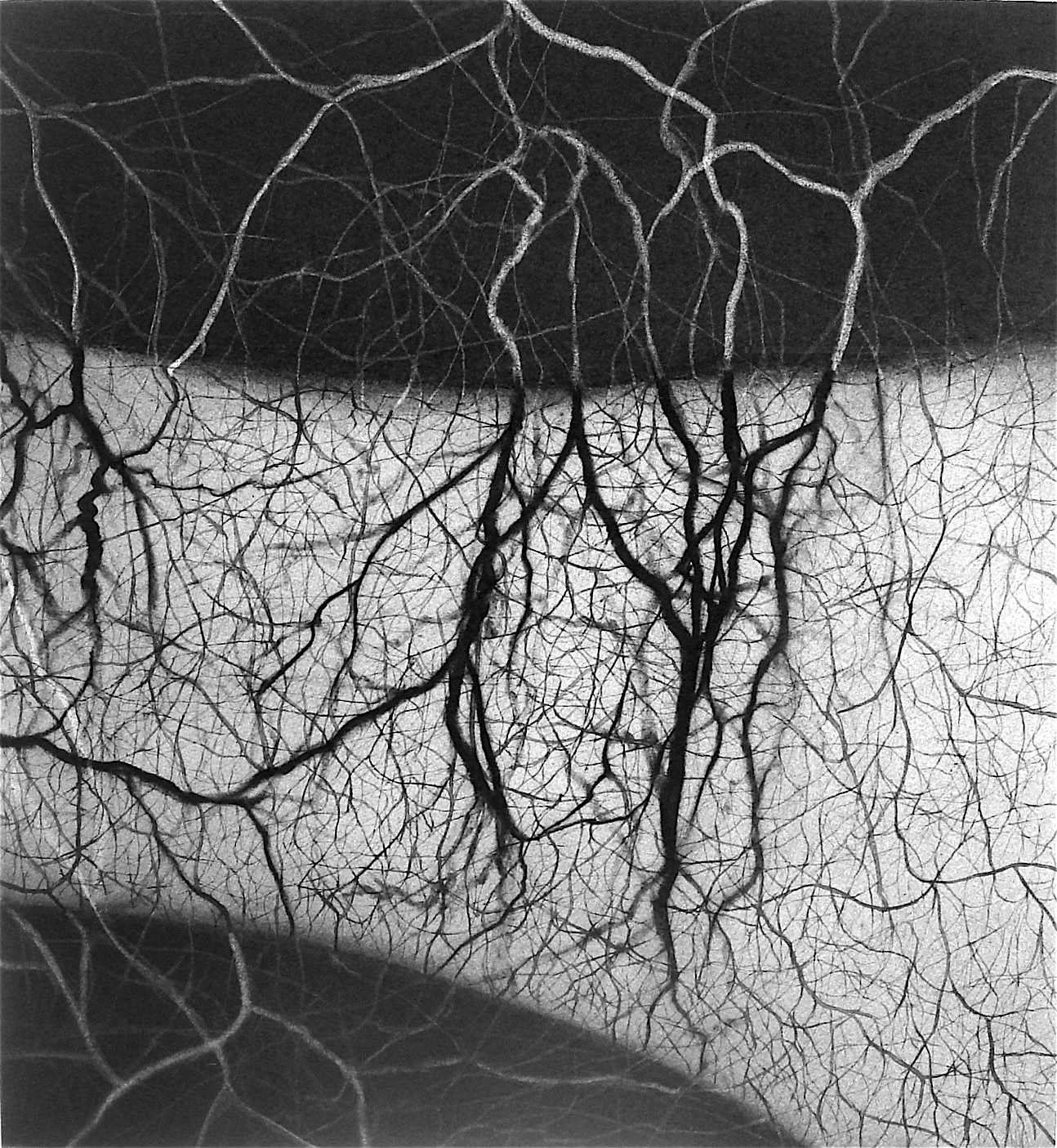
Roots II. Charcoal, Ink, graphite on cotton paper.
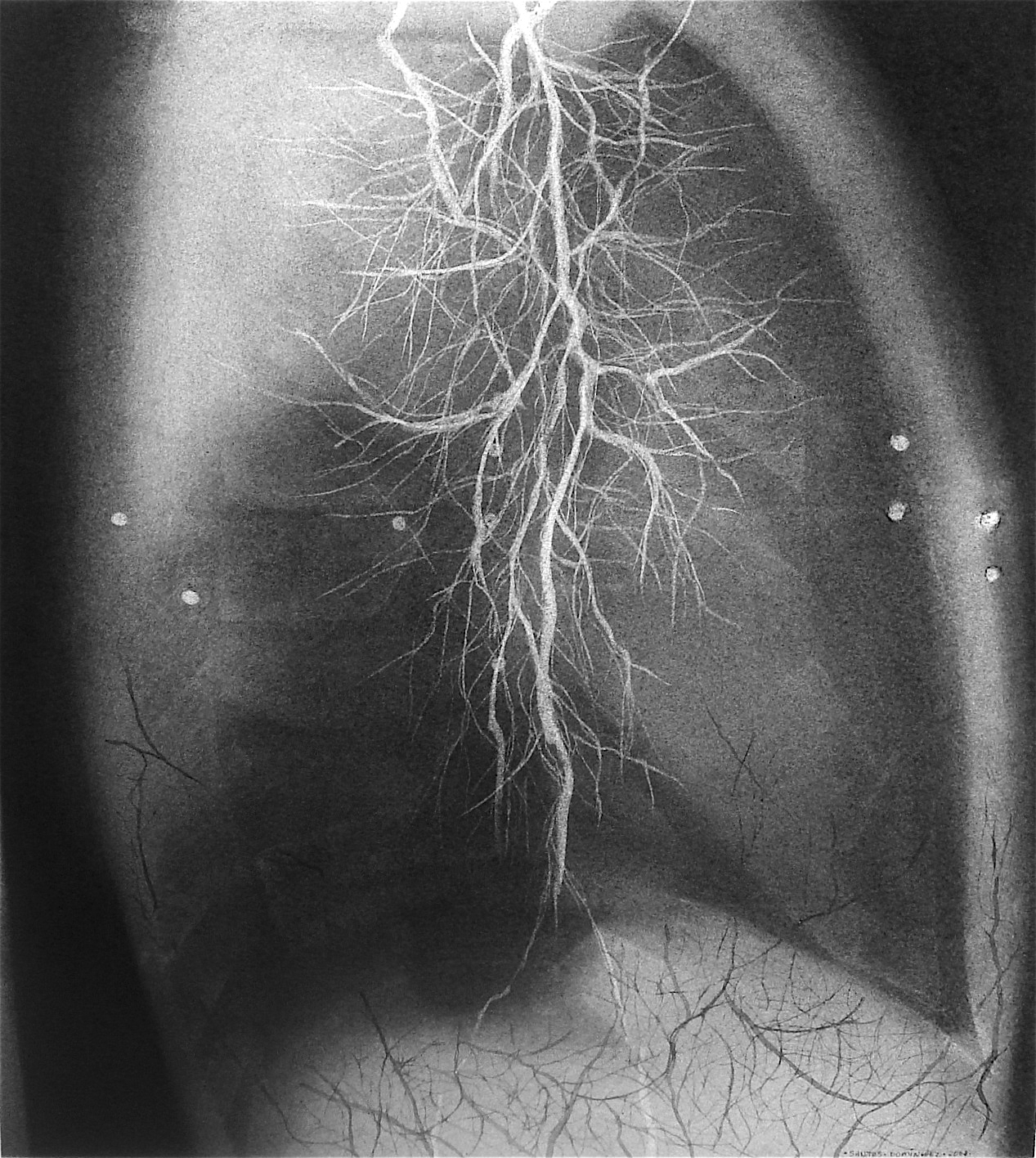
Charcoal, Ink, graphite on cotton paper.
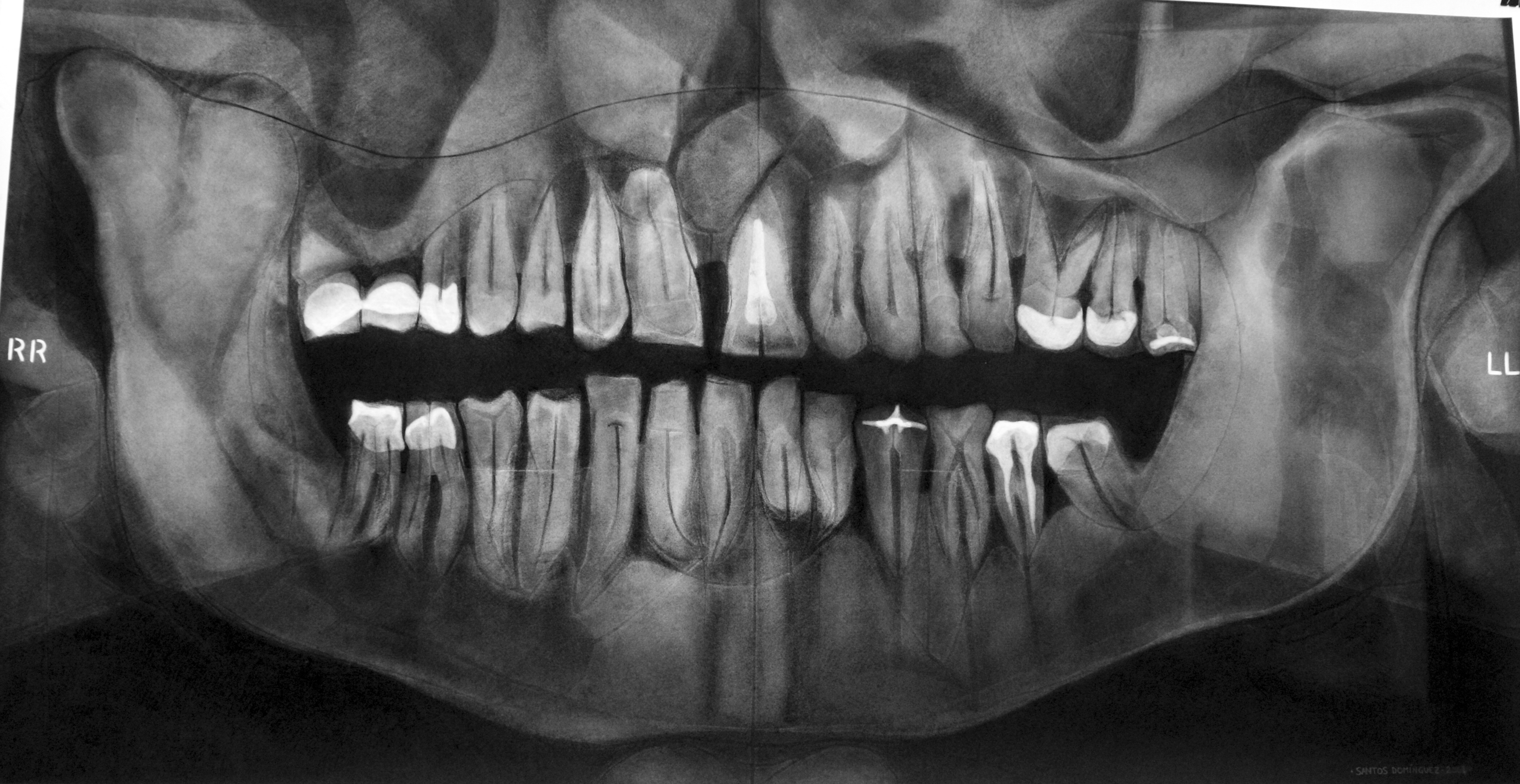
Charcoal, Ink, graphite on cotton paper.
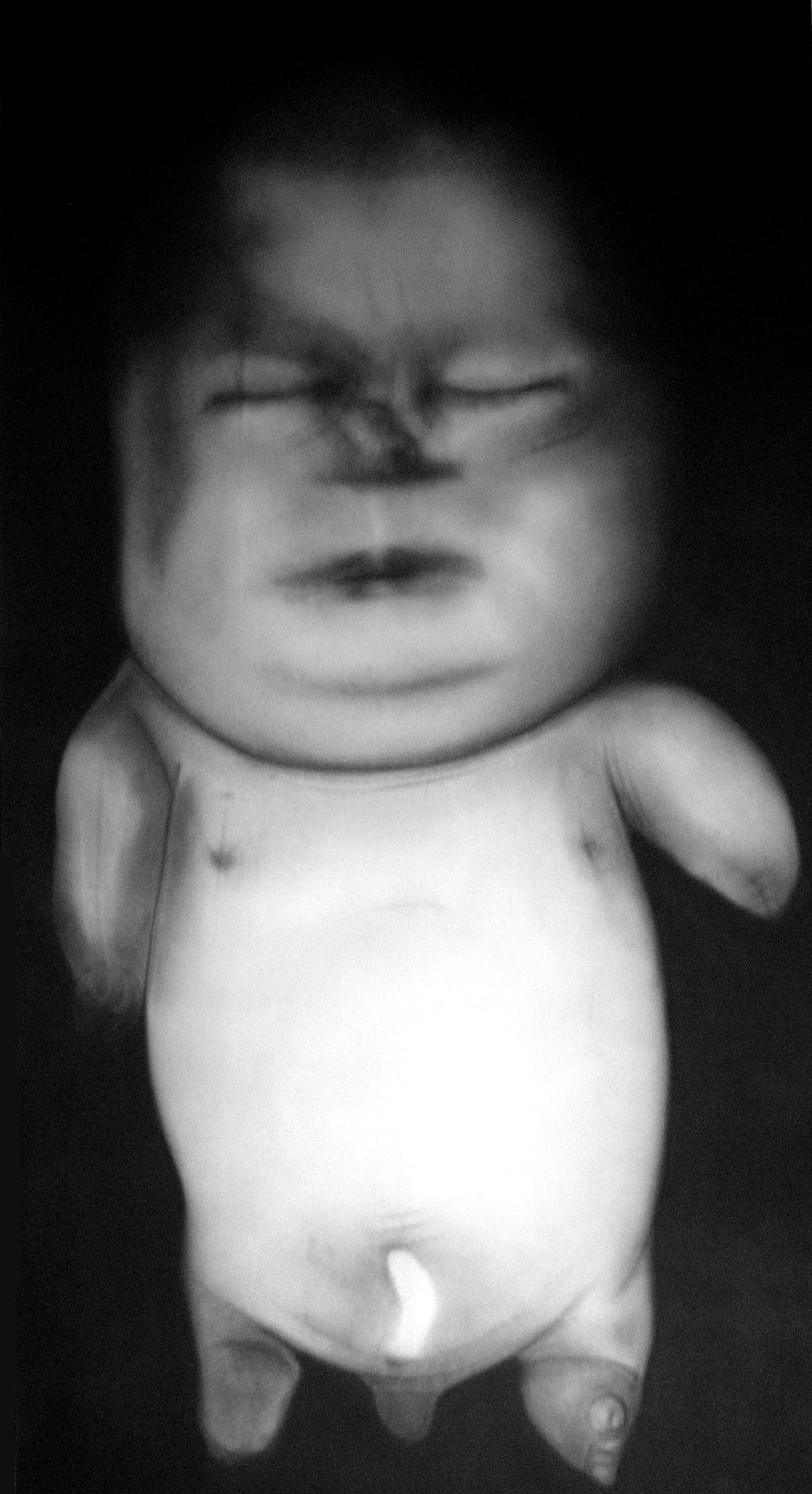
Charcoal, Ink, graphite on cotton paper.
Charcoal, Ink, graphite on cotton paper.
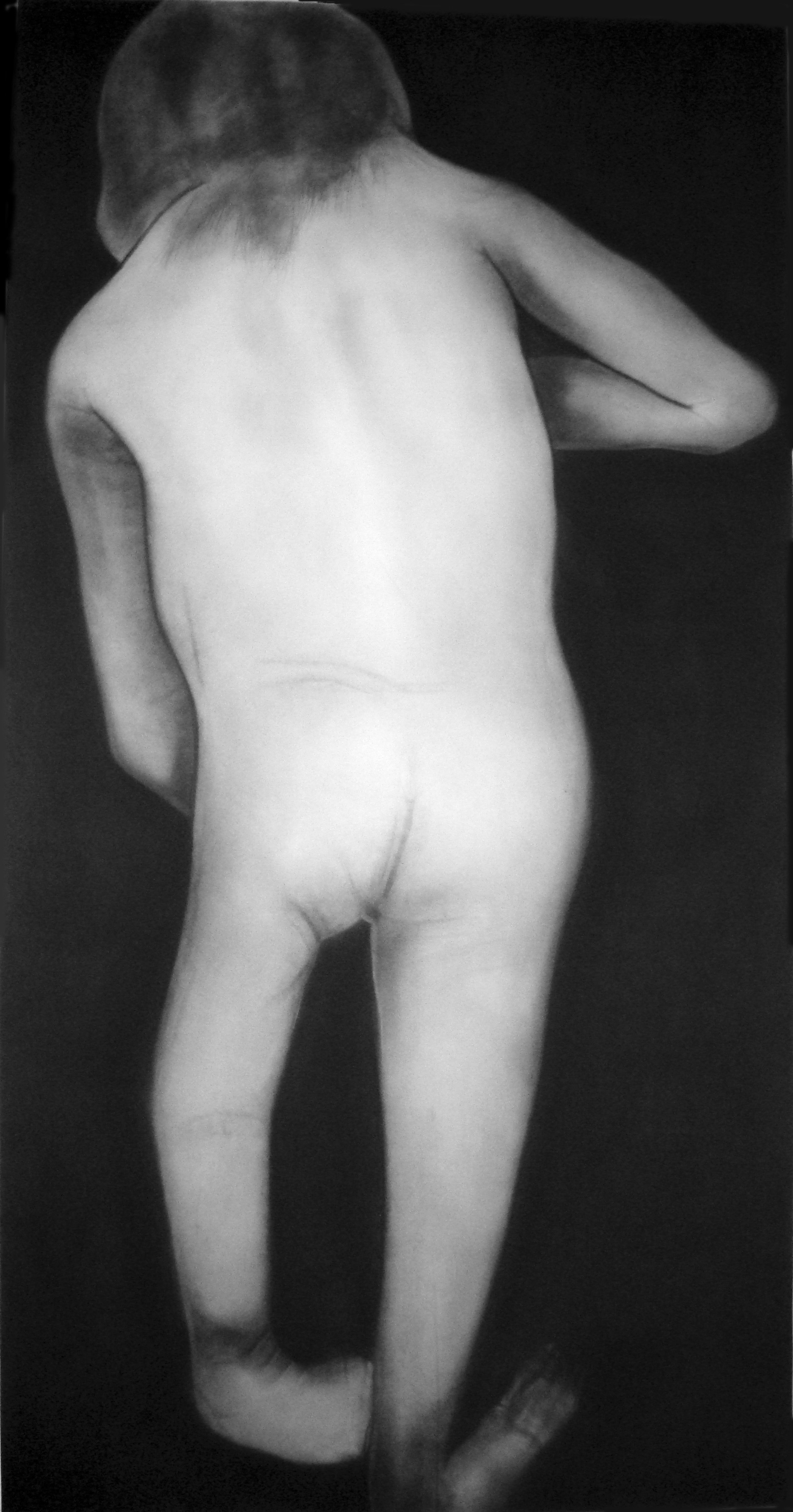
Charcoal, Ink, graphite on cotton paper.
Charcoal, Ink, graphite on cotton paper.
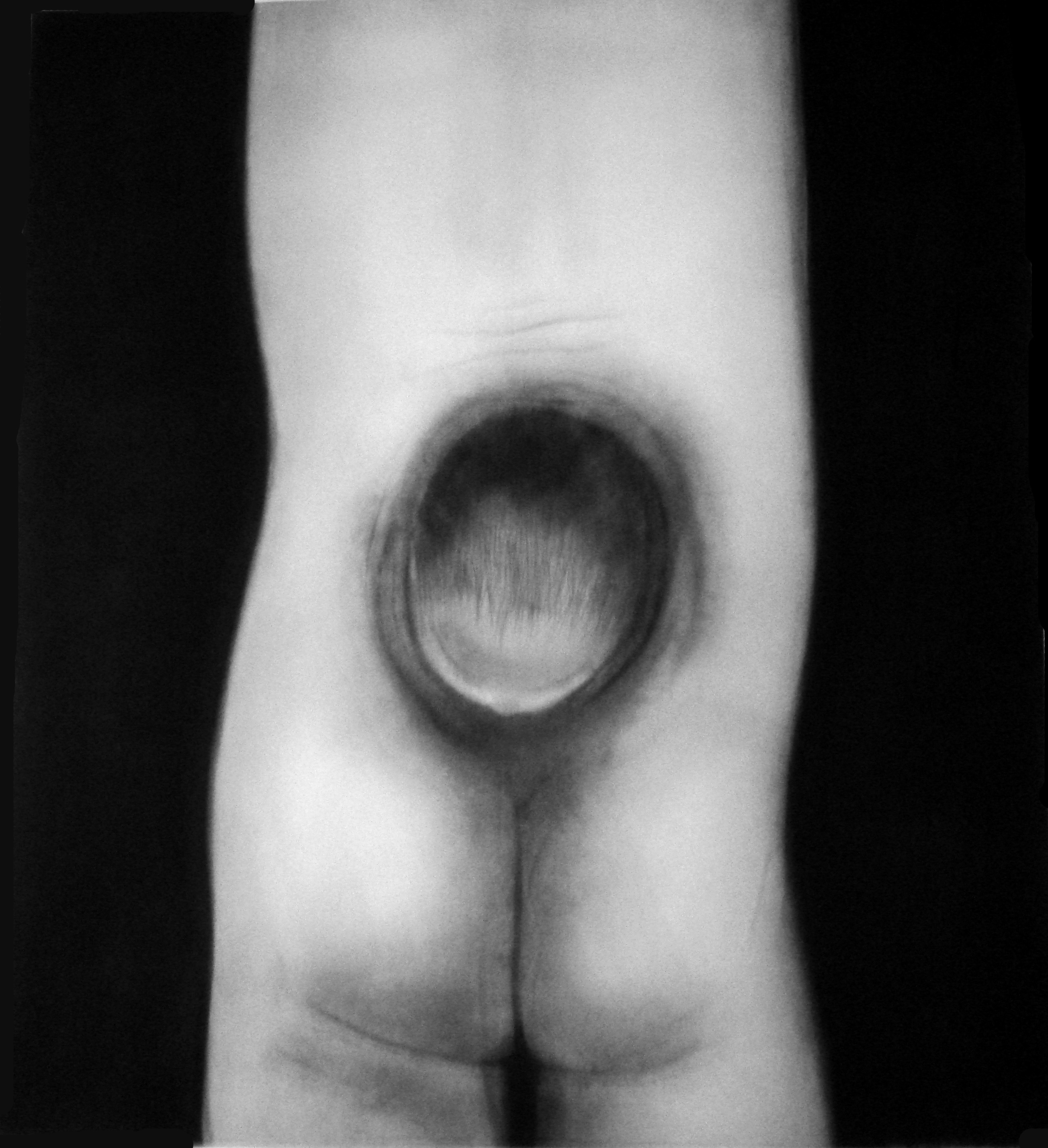
Charcoal, Ink, graphite on cotton paper.
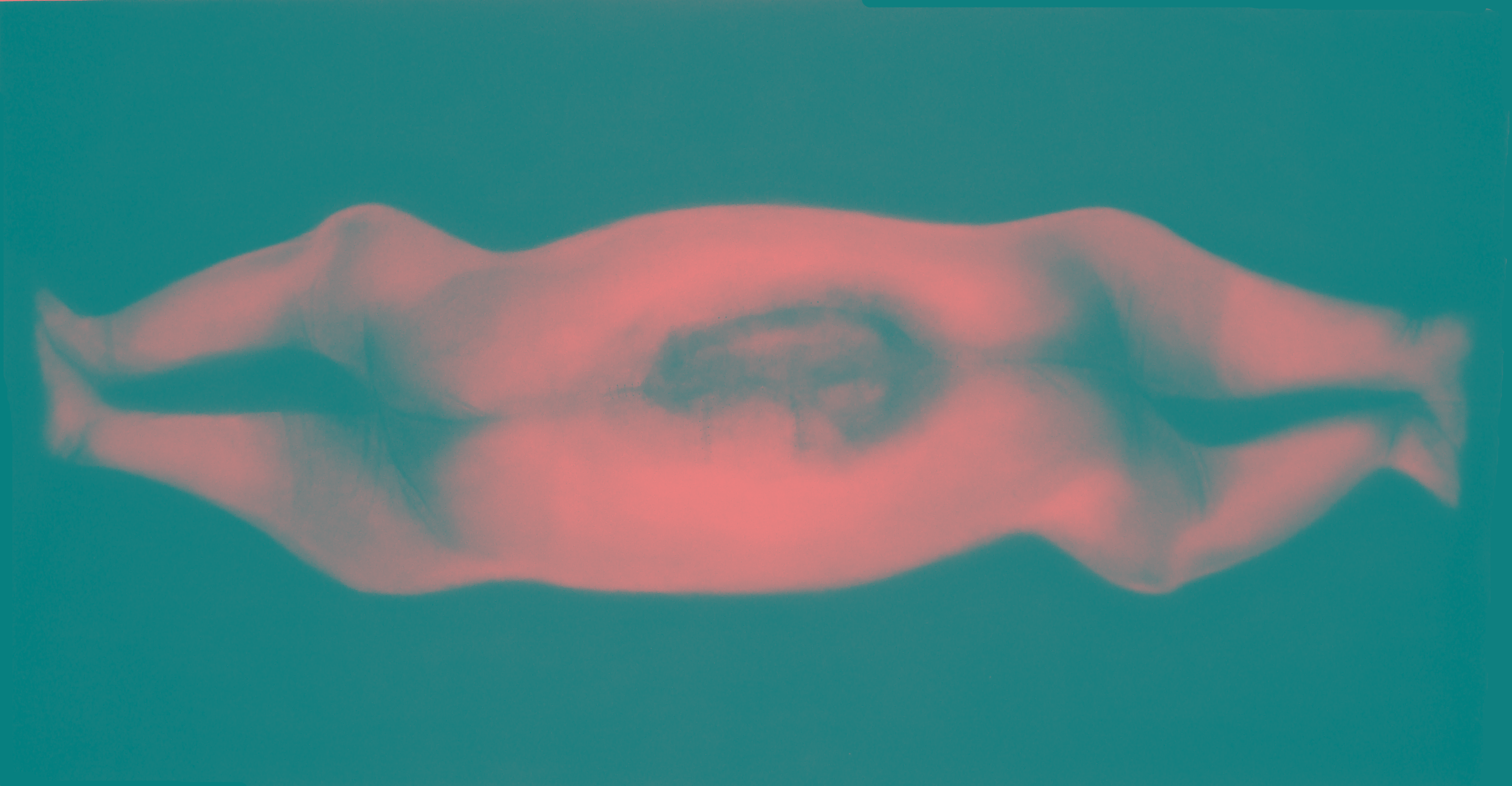
Charcoal, Ink, graphite on cotton paper.
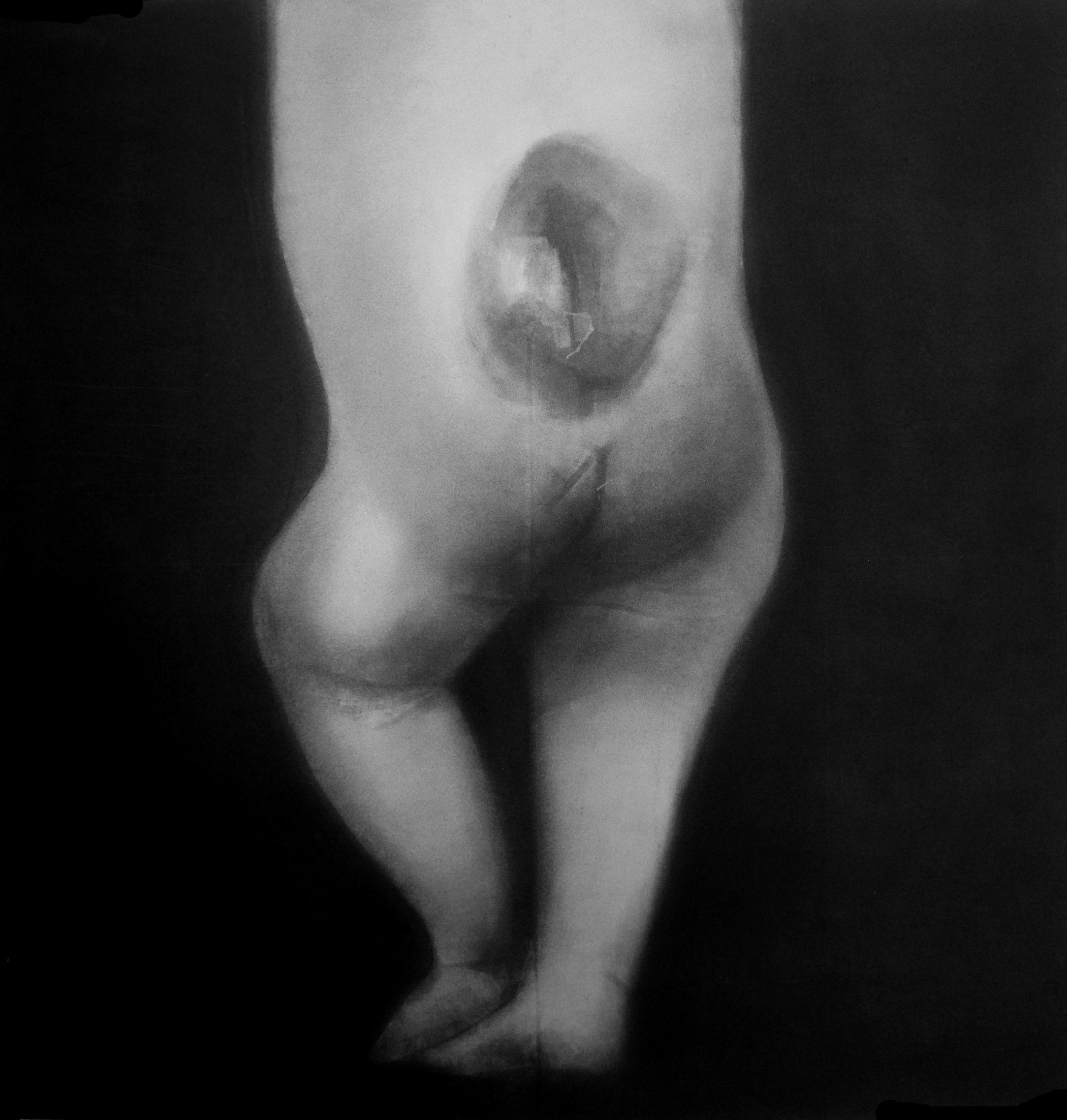
Charcoal, Ink, graphite on cotton paper.
ALTERADO
Mexico City
2010
Mexico City
The ways in which images are perceived through technology has “re-created” the imaginary, so that only today, in the here can some ways in which technology determines the perception of them be structured in a language, and therefore imagine that only today takes place talking about man. So an X-ray alone today is an image of some how common that integrates into the ways in which the image is built in contemporaneity.
In Carlos Santos these forms are decisive to articulate his language, however open that he says that the themes that in his dealings are already classic throughout the history of art and you cannot leave aside references of the works of two of the themes and n that Leonardo D’Vinci incurs the so-called anatomical studies where deformities are an area where he boasts of his artistic performance and the dissections that to this day are of interest to anatomists and cartoonists, however he opens that to say that the motivations of Carlos Santos are others, among them are more than documenting, making evident as the human also encompasses these elements, which are somehow discordant in their not only anatomical form, but of the pre-conception of what aesthetically should be, however, in his creations a characteristic that the human being is deeply frightened, the image of himself, incomplete or in his hyperdeveloped defect, is himself, in a situation outside what context demands or convention tolerates as the normal, from this point of view Santos’s work is a criticism of his time, what the convention cyclically institutes as the “decadent” that in reality is but the trace of the human increasingly reflected in what we leave as knowledge and life to the generation that we precede, and perhaps there is the poetic of this work that looks at a world from seeing the background, that which speaks to us in a single color without an apex of mercy for itself and its time; we are that too.
Jaime Tamayo
ALTERADO
Las formas en que se perciben las imágenes por medio de la tecnología ha “re-creado” el imaginario, de forma que solo en la actualidad, en el aquí se pueden estructurar en un lenguaje algunas formas en que la tecnología determina la percepción de estas, y por lo tanto imágenes que solo hoy tiene lugar hablando de el hombre. Así una radiografía solo hoy es una imagen de algún modo común que se integra a las formas en que se construye la imagen en la contemporaneidad.
En Carlos Santos estas formas son determinantes para articular su lenguaje, sin embargo habrá que decir que las temáticas que en su quehacer aborda son ya clásicas a lo largo de la historia del arte y no se puede dejar a un lado referencias de las obras de dos de las temáticas en que Leonardo D’ Vinci incurre en los llamados estudios anatómicos en donde las deformidades son un área en donde el hace alarde de su desempeño artístico y las disecciones que hasta el día de hoy son de interés para anatomistas y dibujantes, sin embargo abra que decir que las motivaciones de Carlos Santos son otras, entre ellas se encuentran mas que el documentar, el hacer evidente como lo humano también abarca estos elementos, que de algún modo, son discordantes en su forma no solo anatómica, sino de la pre-concepción de lo que estéticamente debería ser, sin embargo en sus creaciones se plasma una característica que al ser humano le espanta profundamente, la imagen de él mismo, incompleto o en su defecto hiperdesarrollado, es él mismo, en una situación fuera de lo que el contexto exige o la convención tolera como lo normal, bajo este punto de vista la obra de Santos es una critica a su momento, lo que la convención instituye cíclicamente como lo “decadente” que en realidad no es sino el rastro de lo humano cada vez mas reflejado en lo que dejamos como conocimiento y vida a la generación que precedimos, y quizá es ahí lo poético de esta obra que mira un mundo a partir de ver el fondo, aquello que nos habla de nosotros en un solo color sin un ápice de misericordia para si mismo y su tiempo; somos también eso.
Jaime Tamayo
