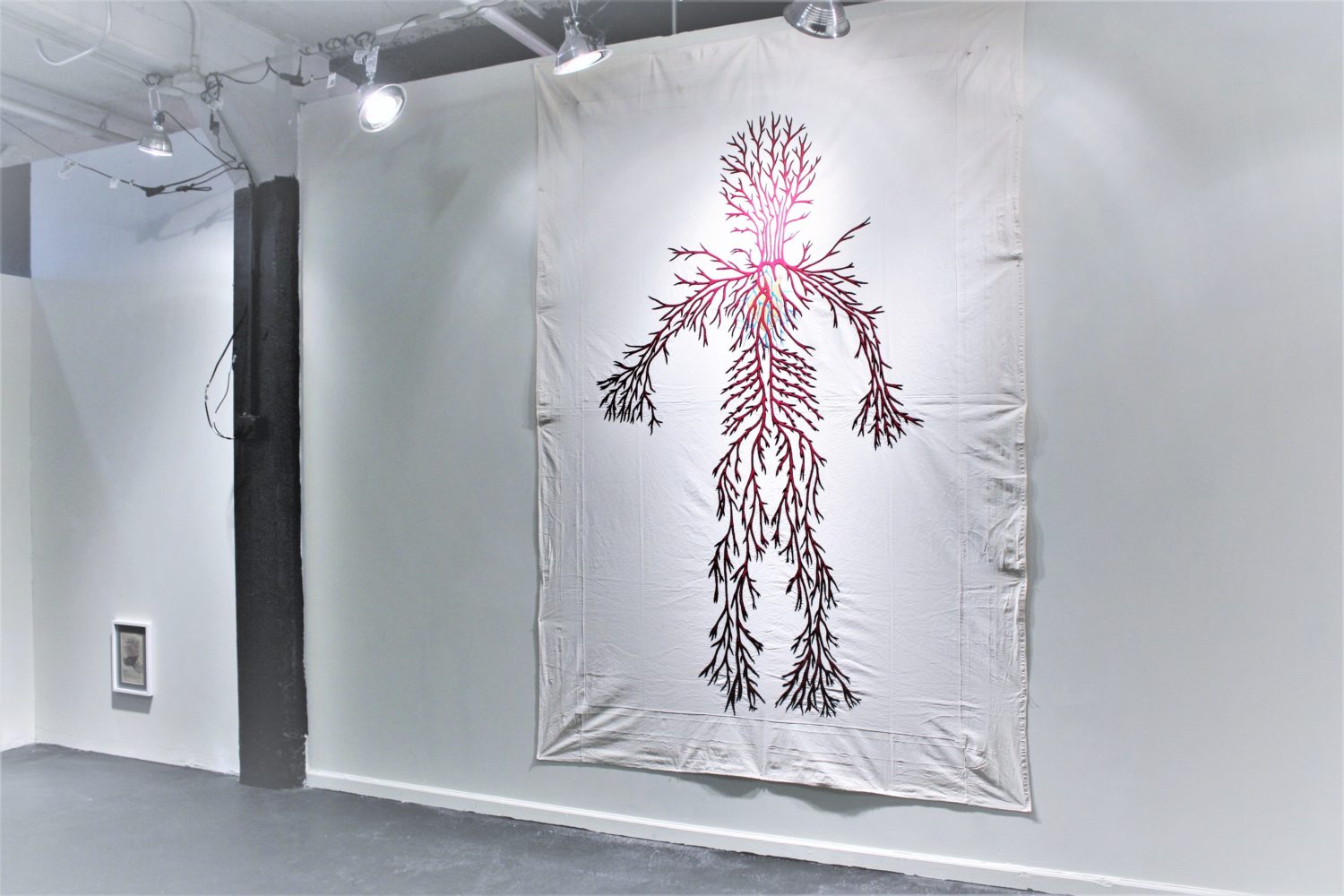
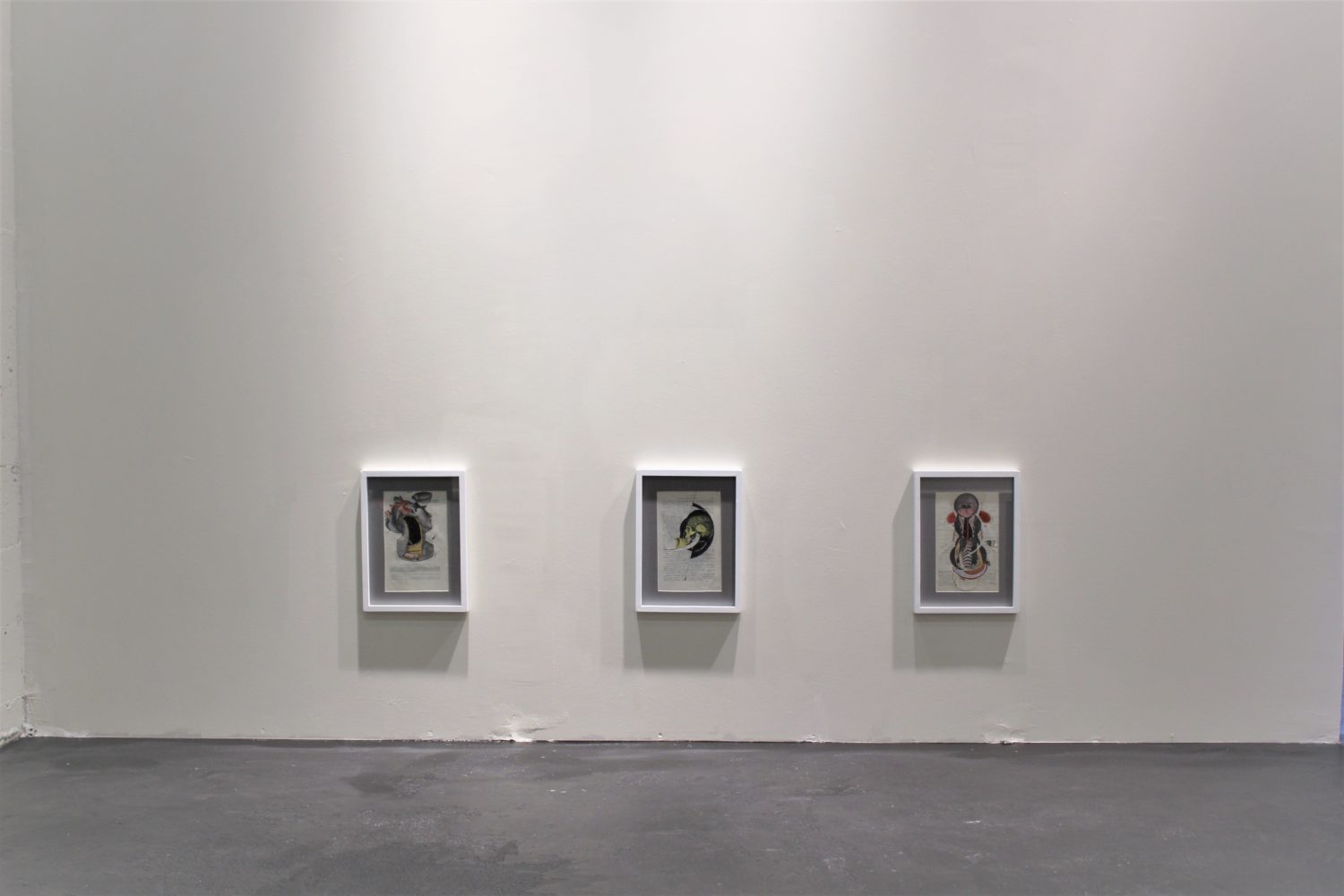
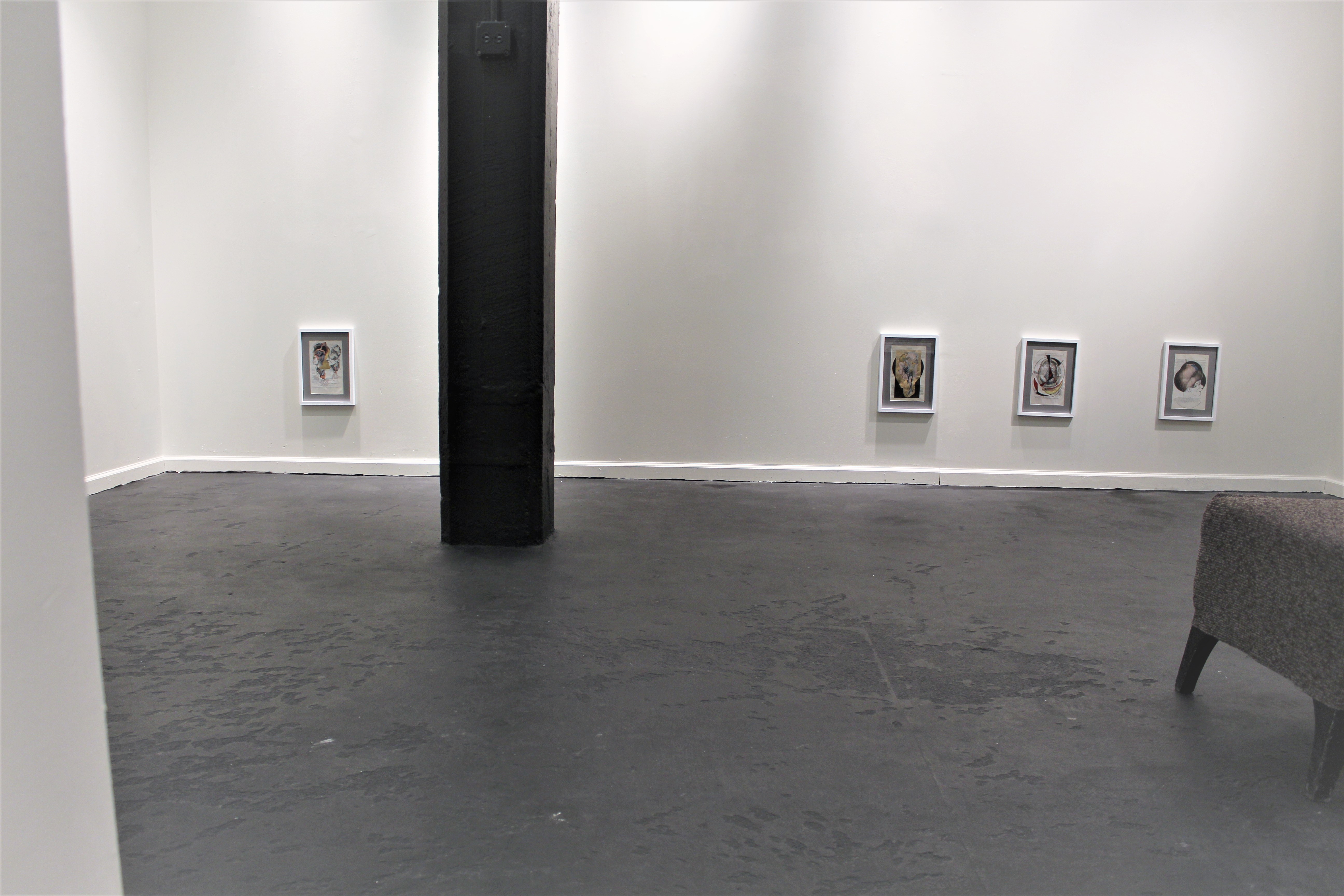
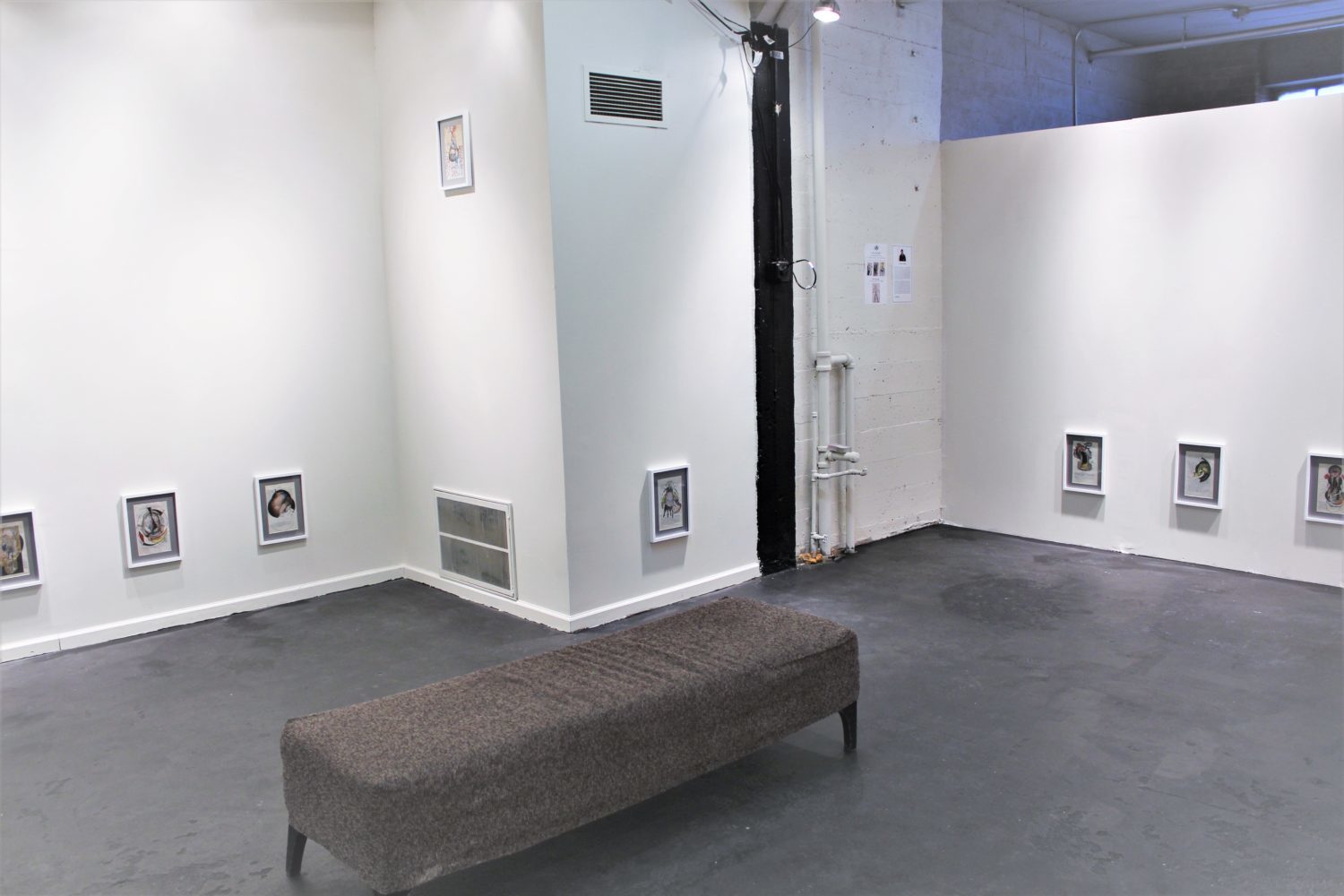
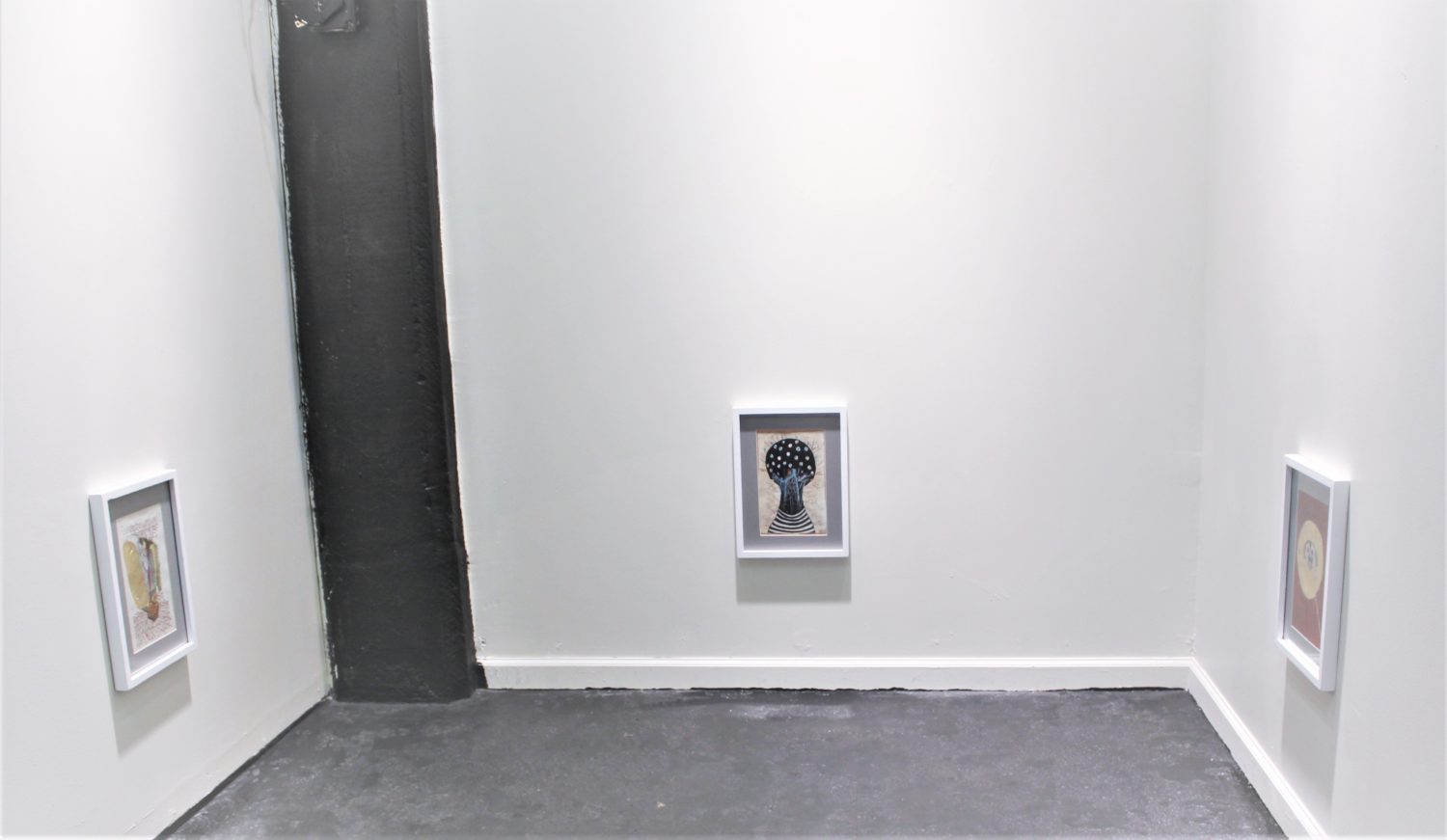
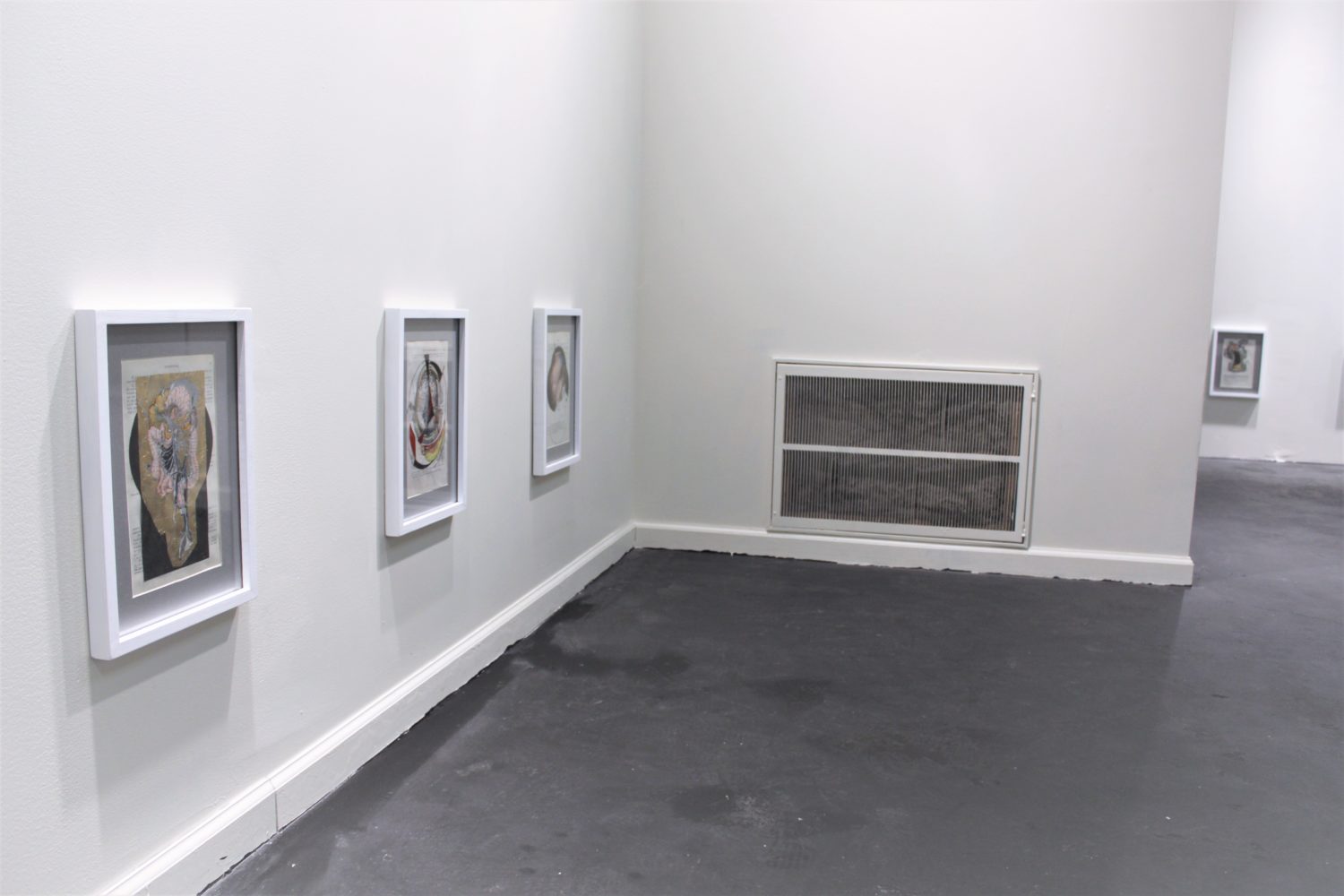
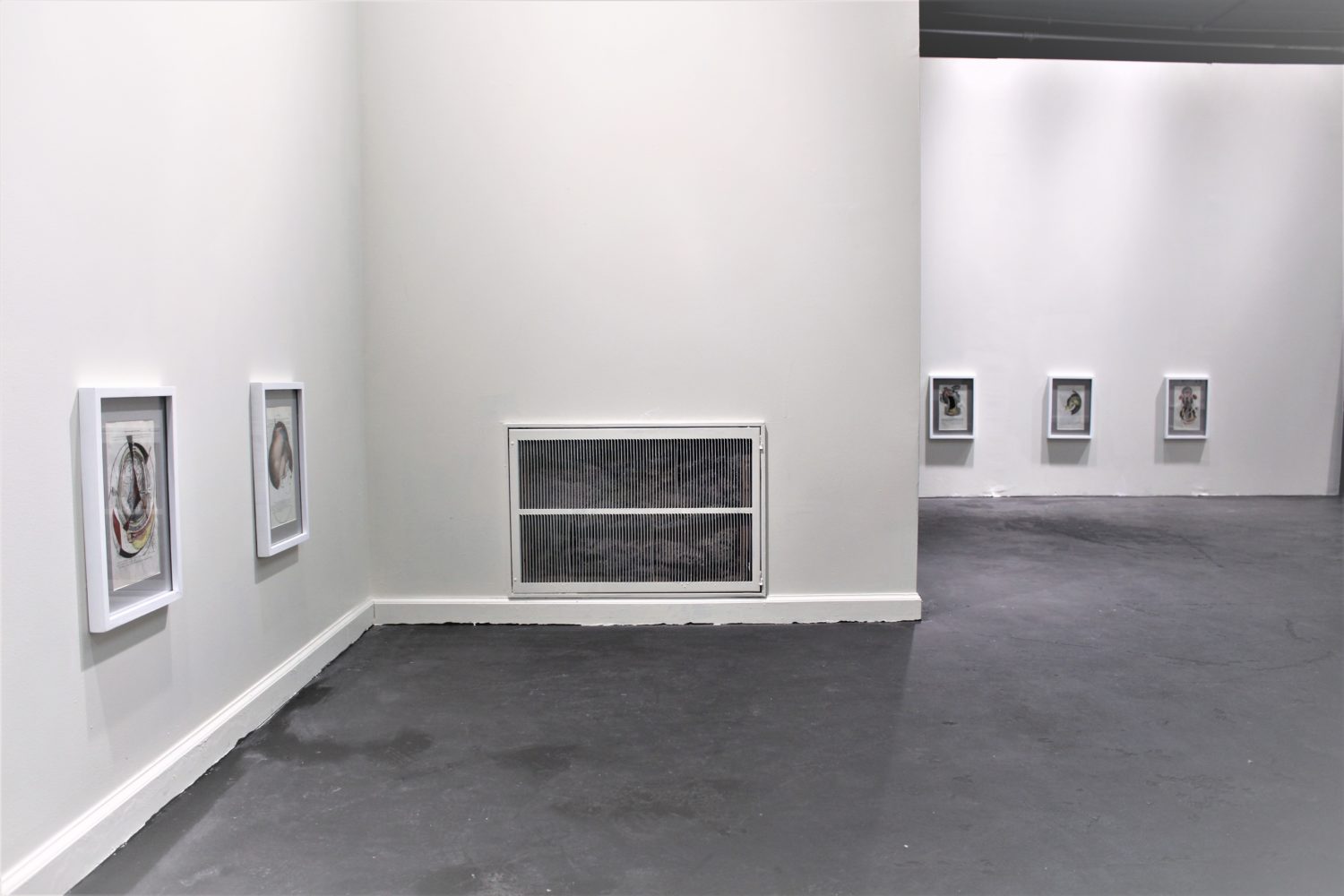
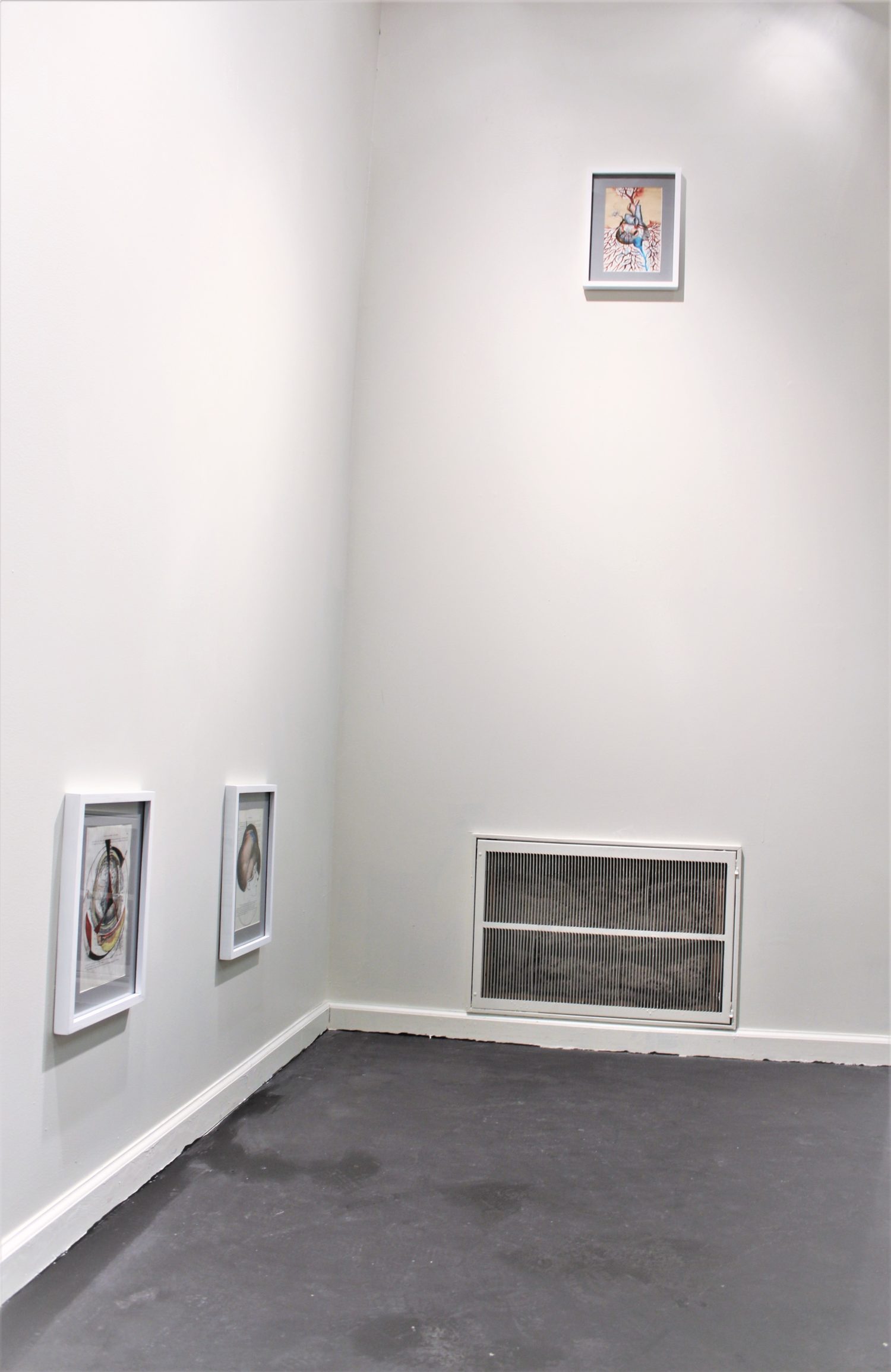
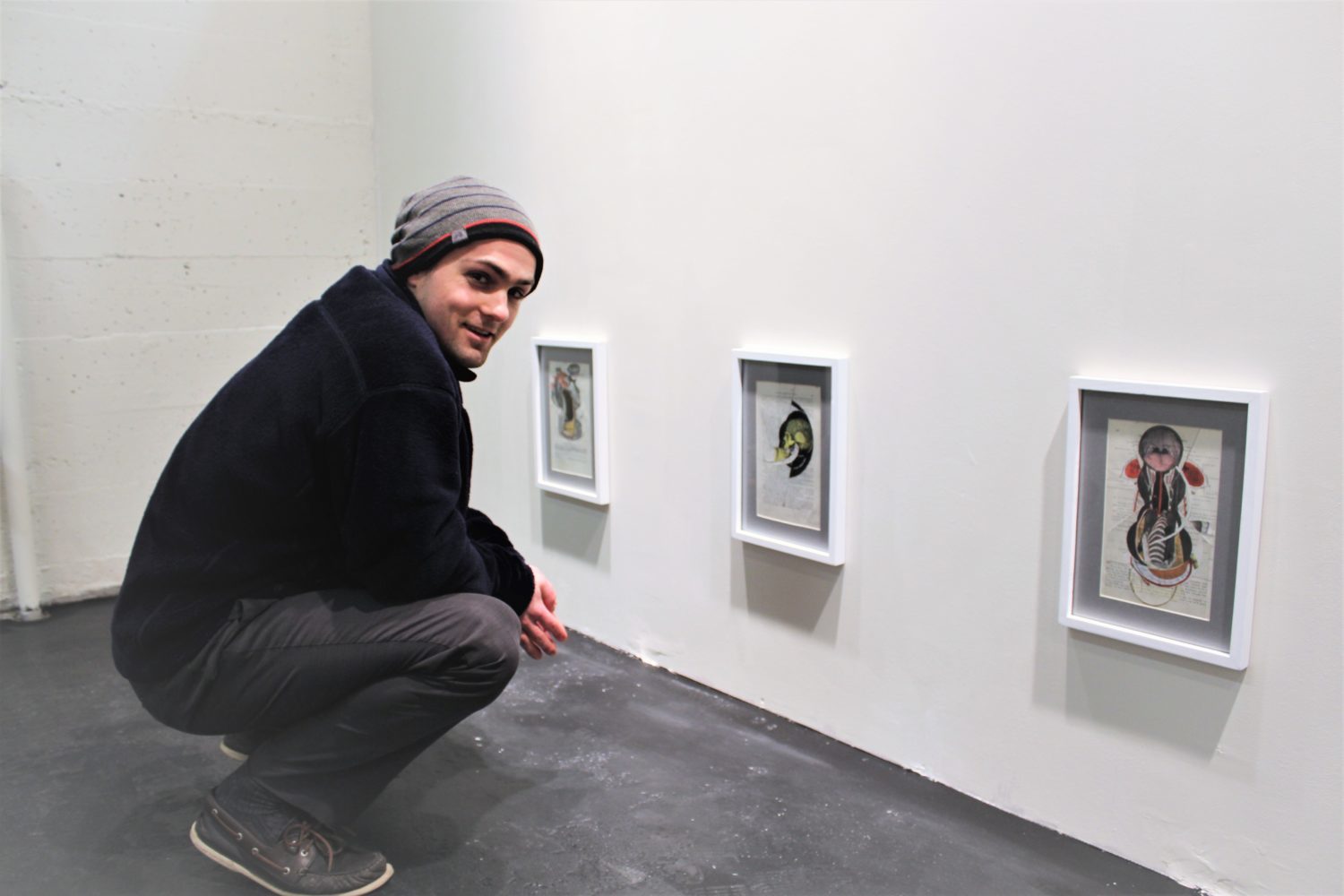
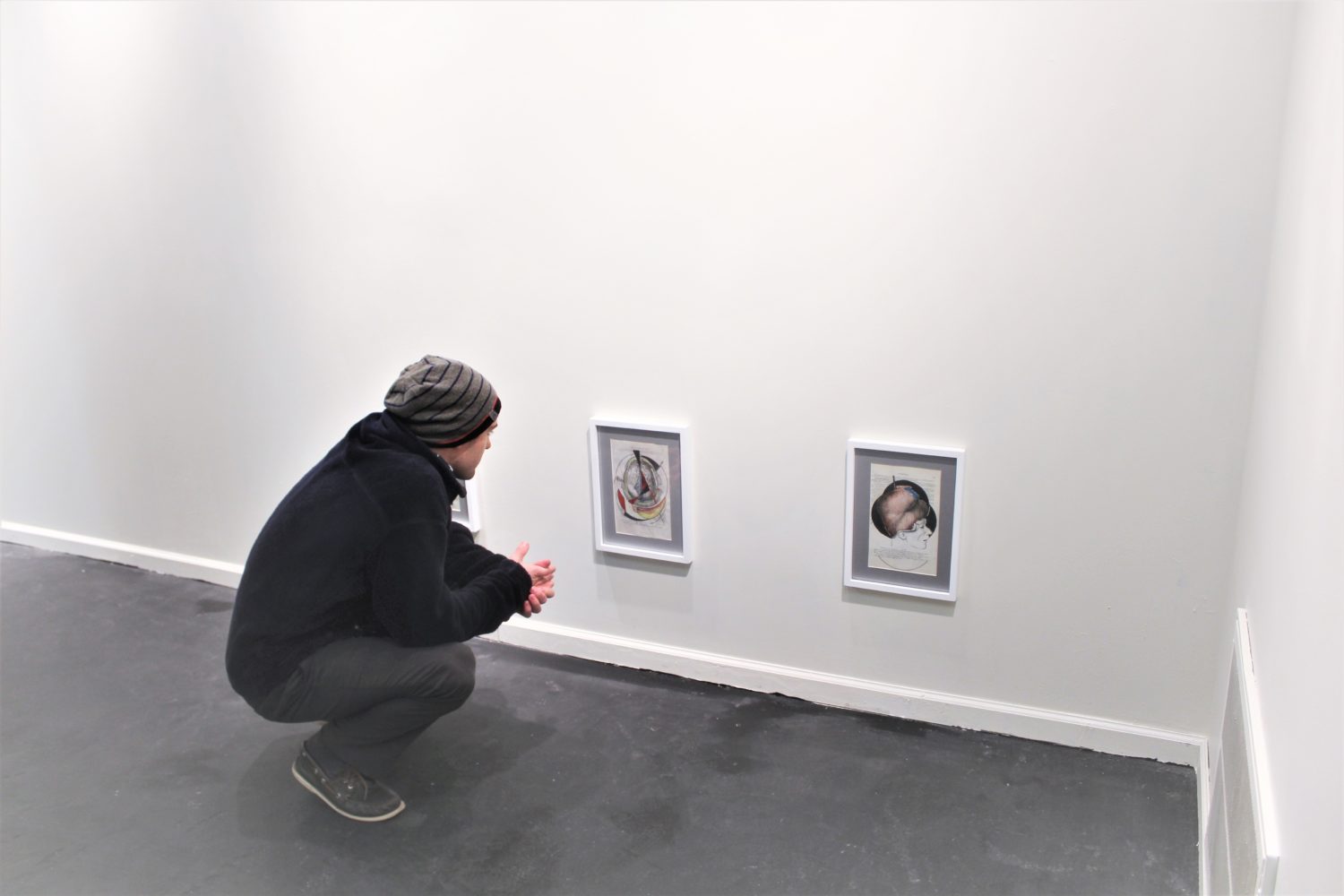
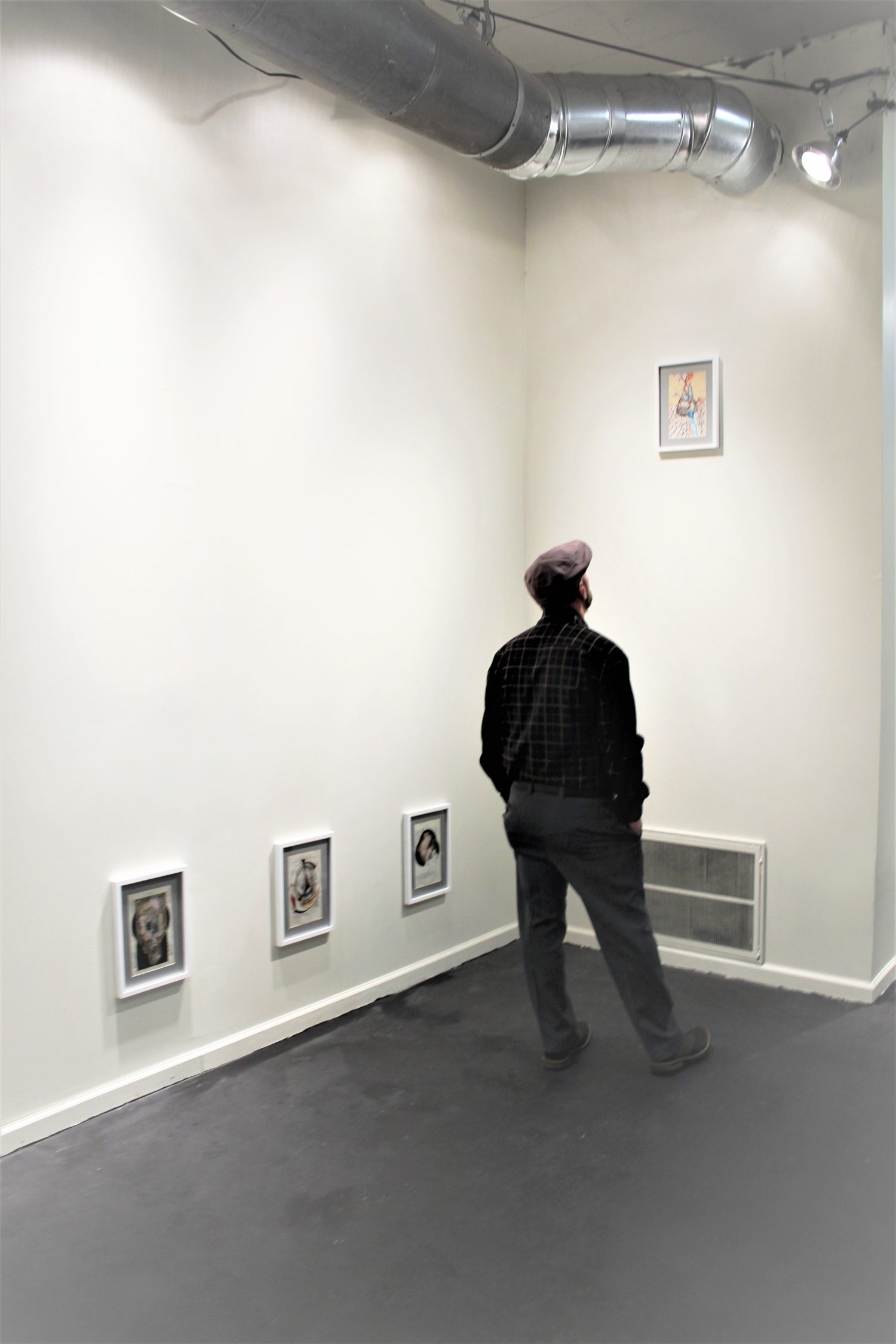
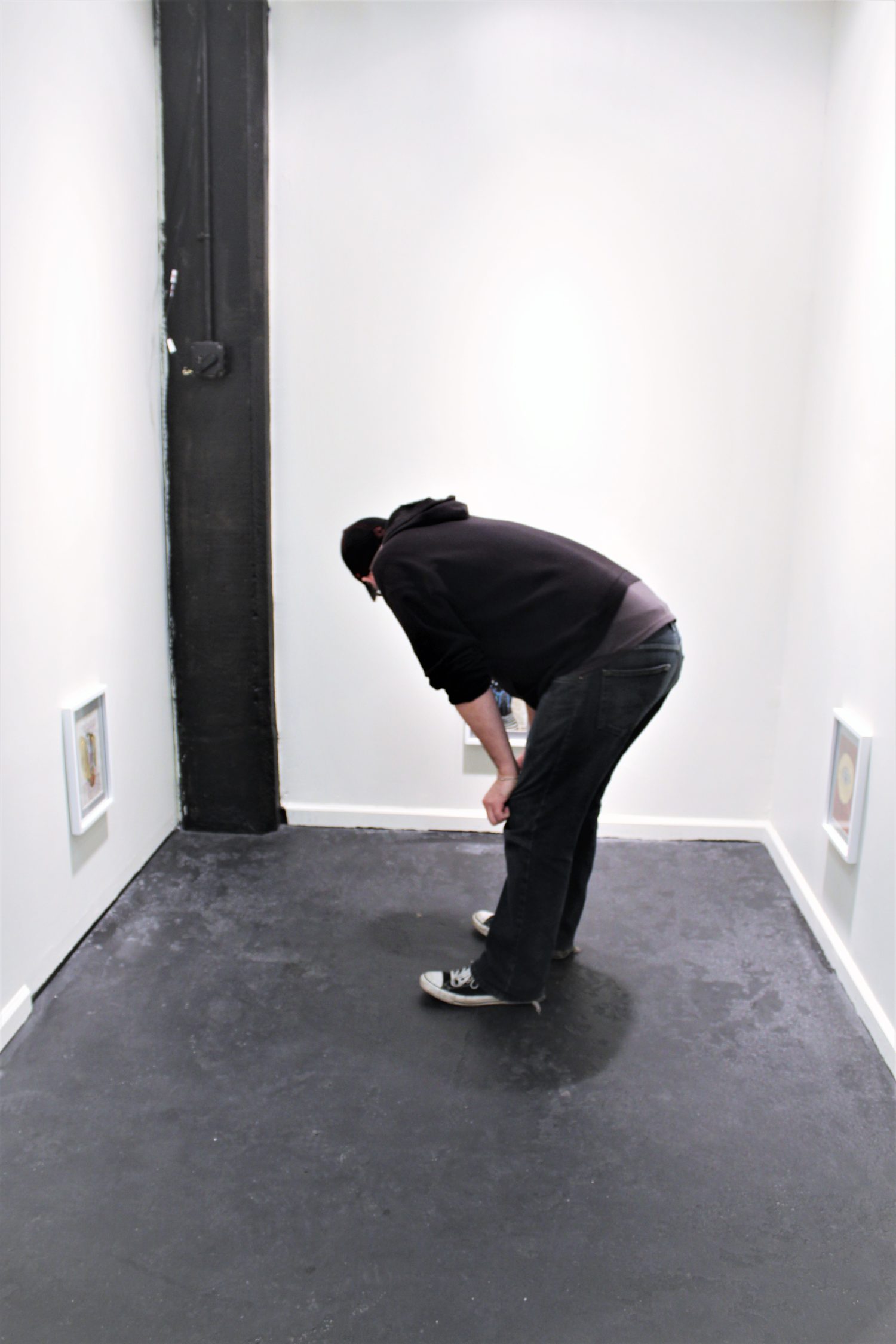
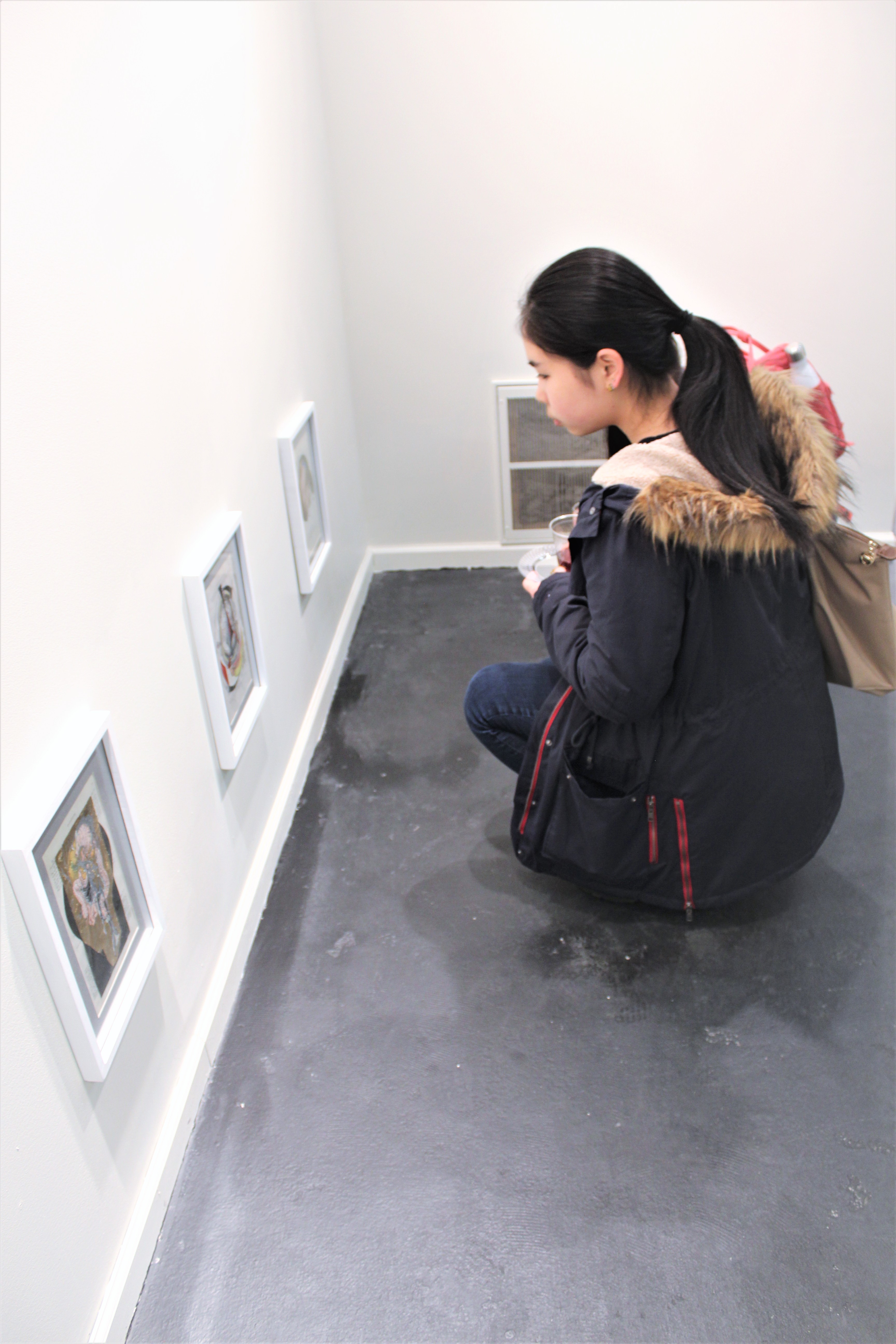
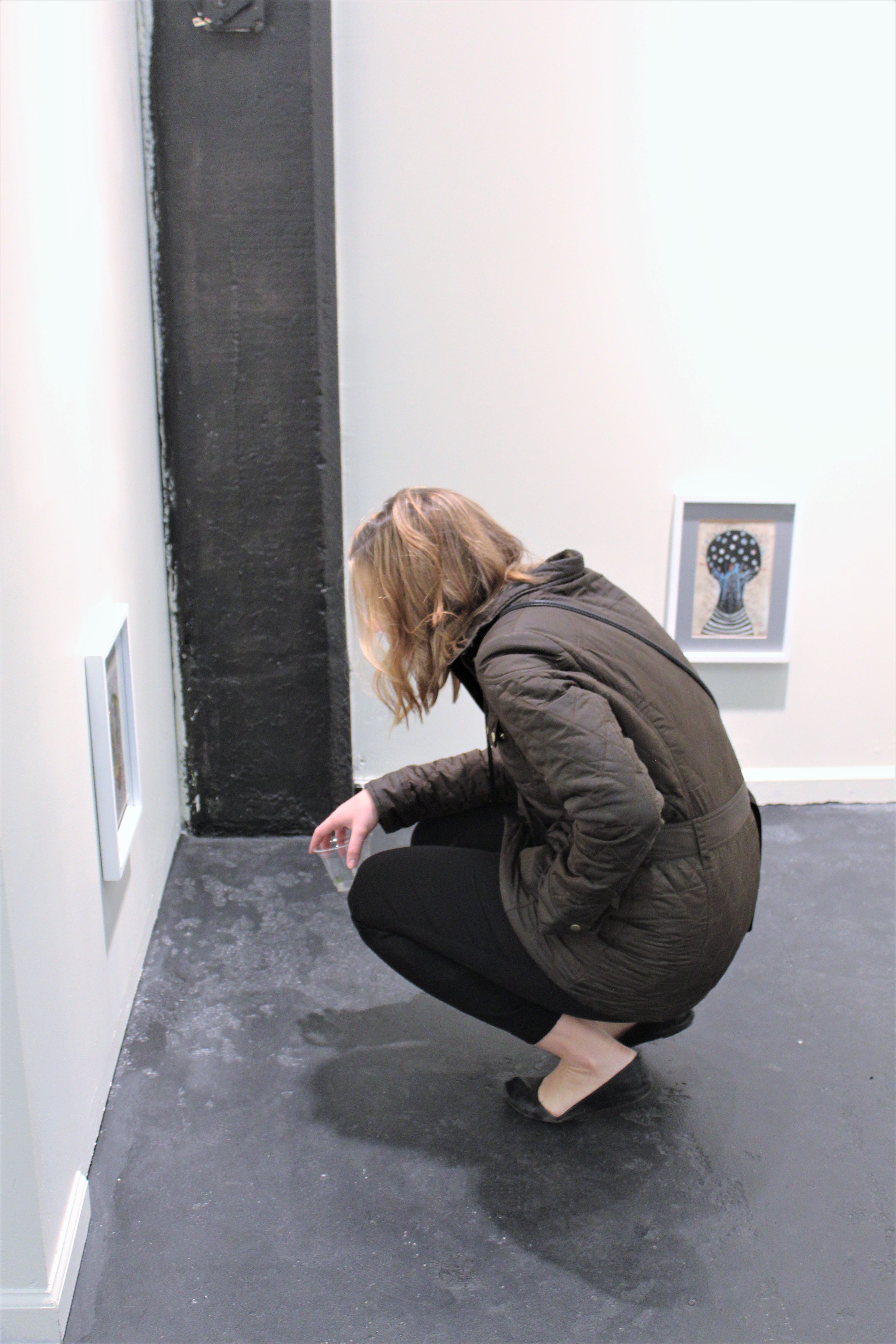
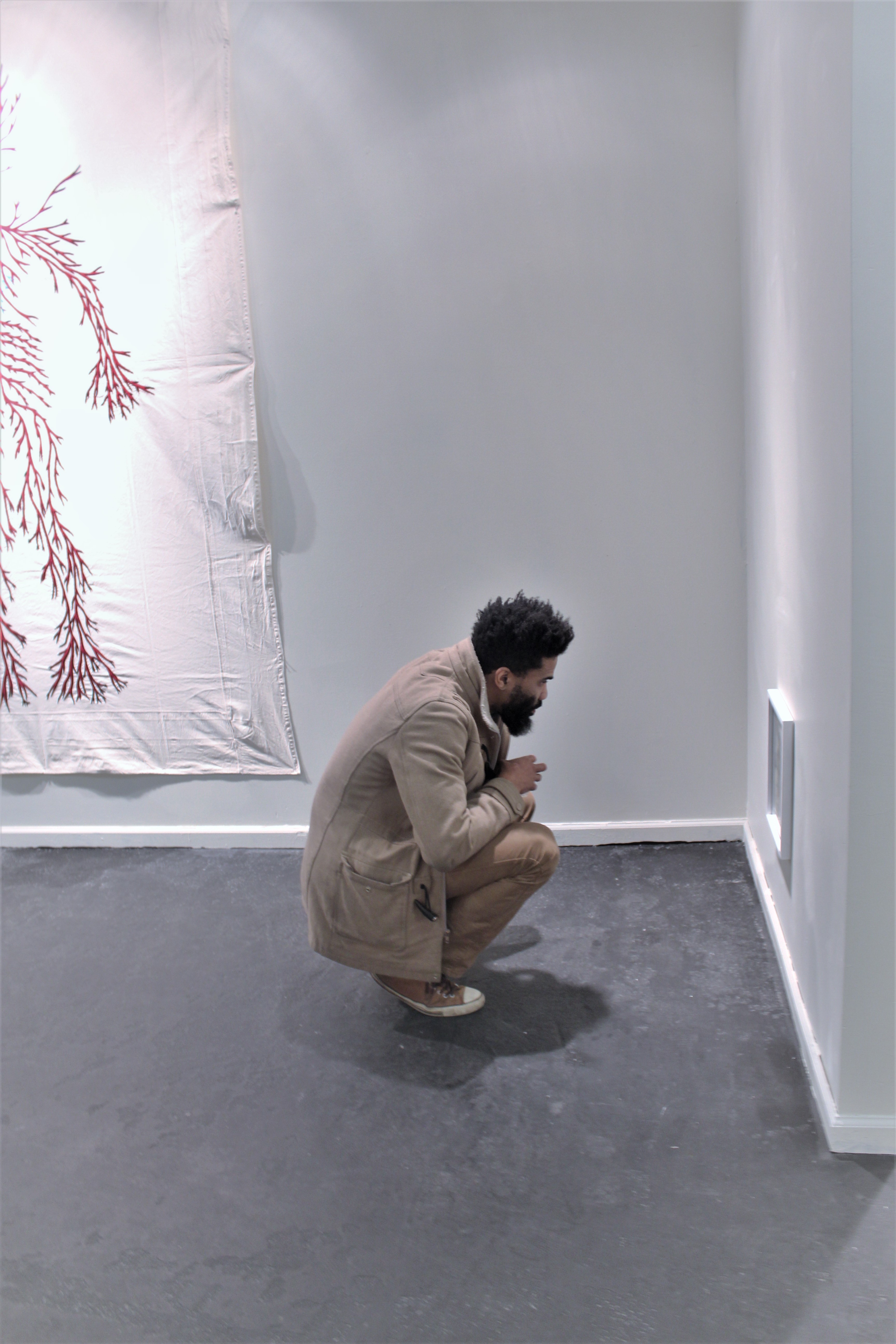
Installation views of “It´s not what you want, it´s what you see” at ACS Gallery.
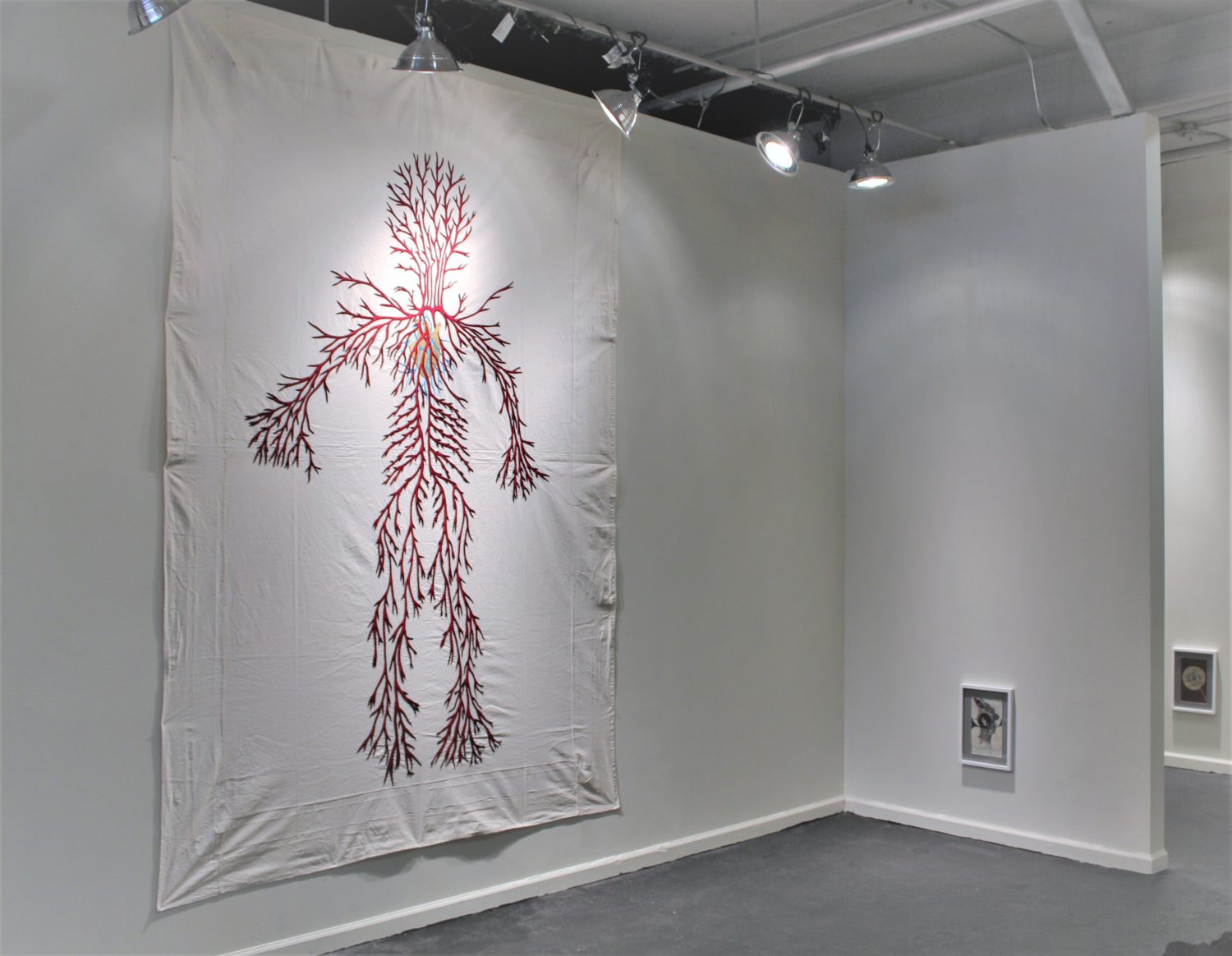
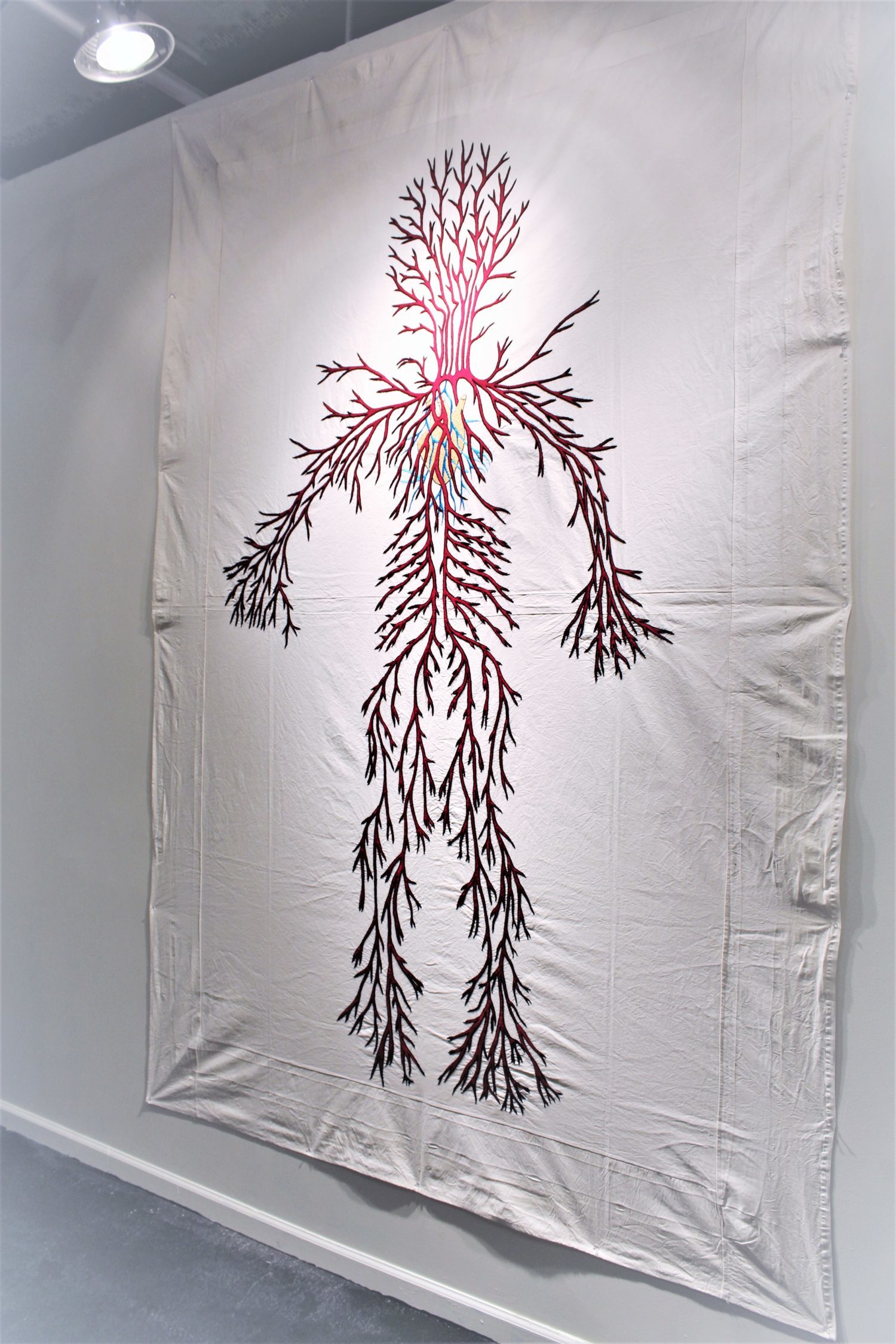
Embordery by my mother. cotton on linen.
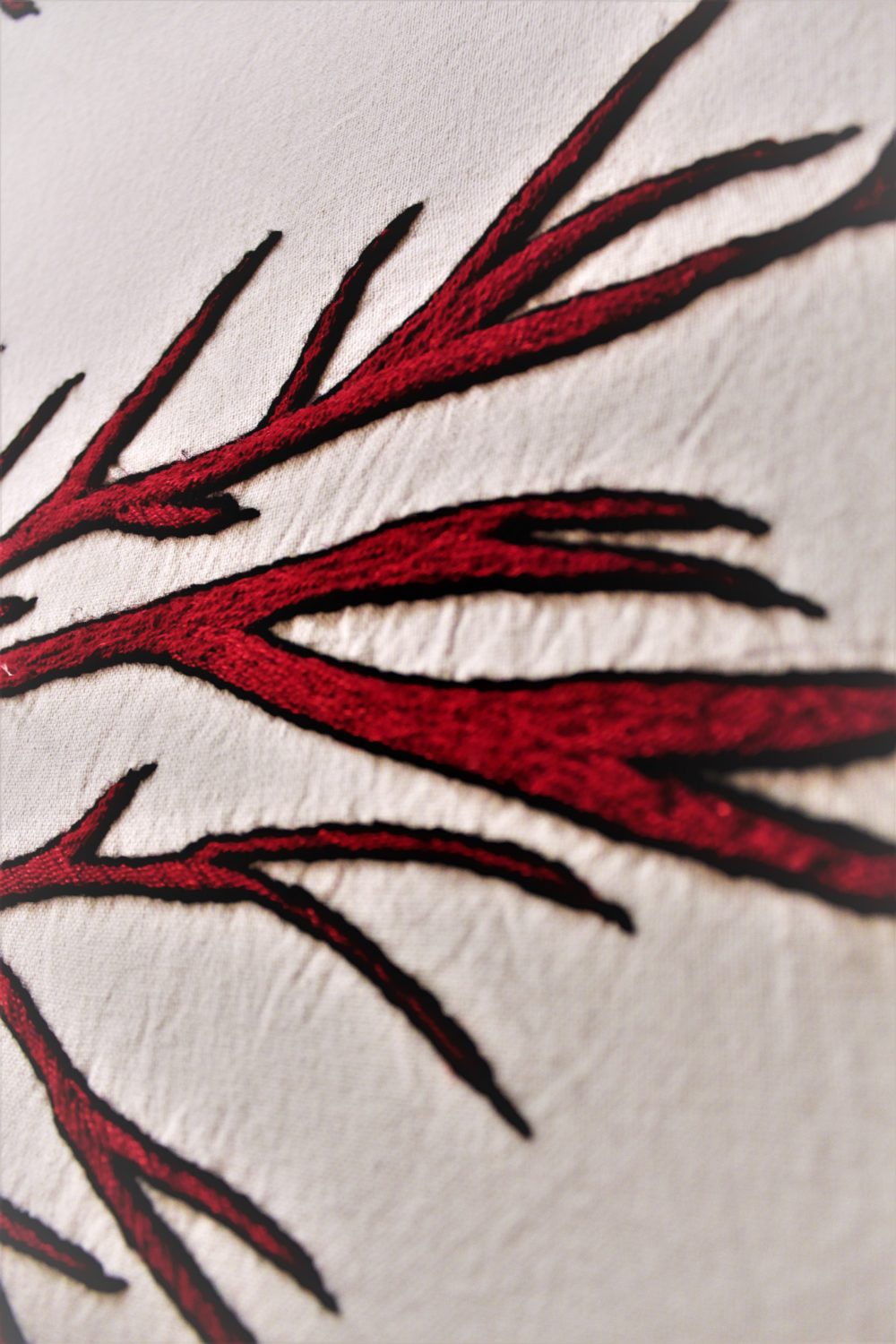

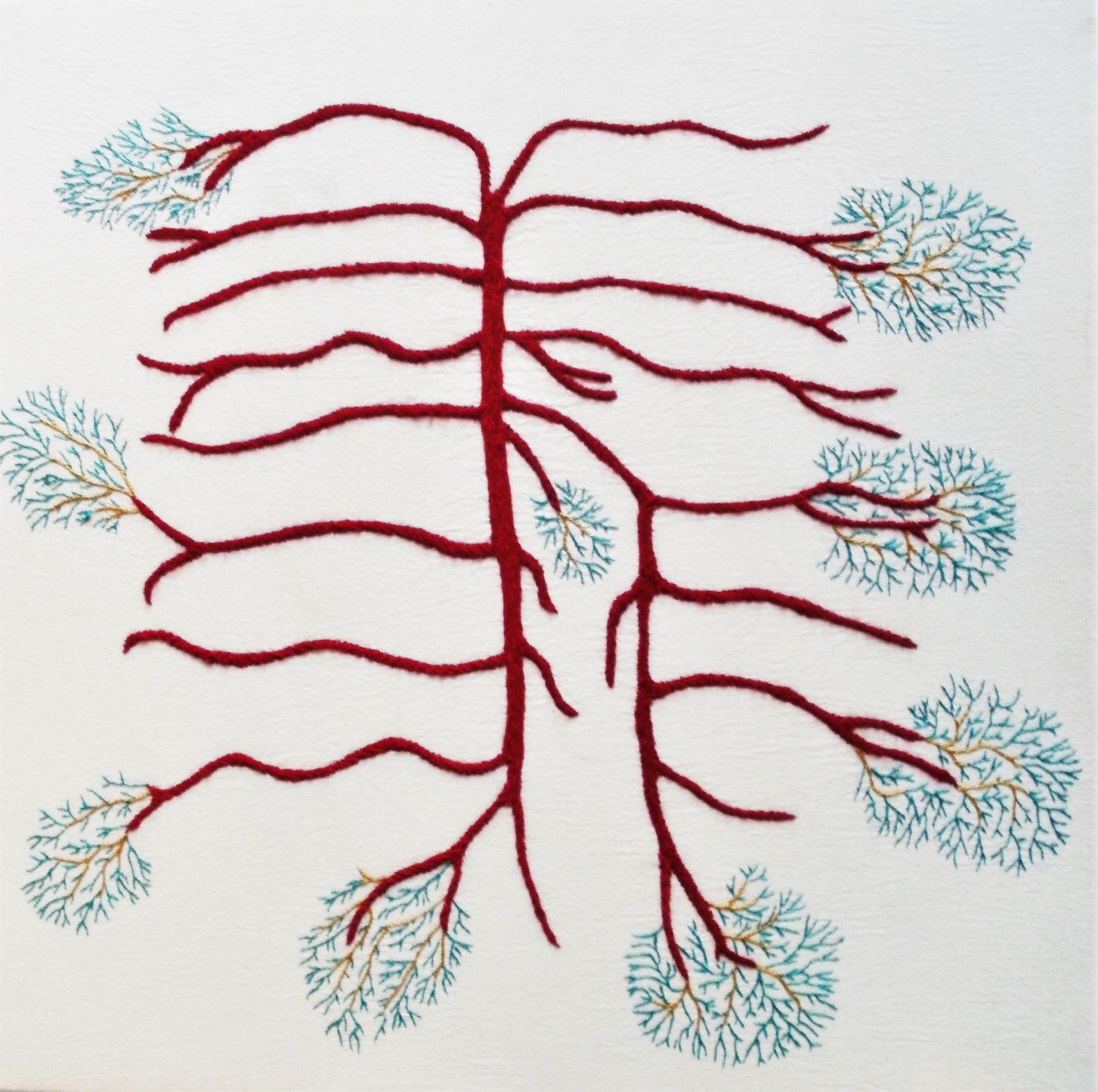
embordery by my Mom. cotton on linen.
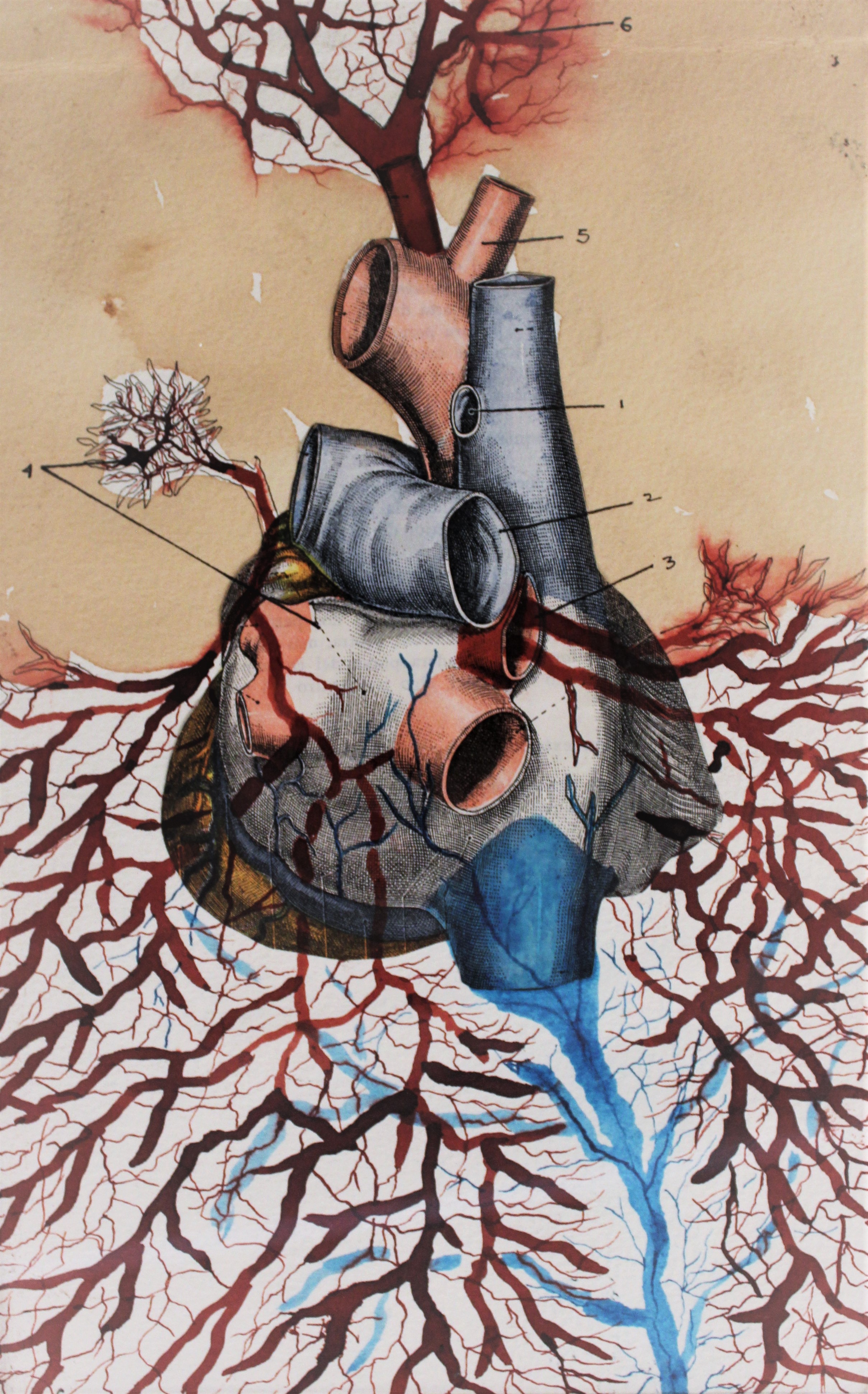
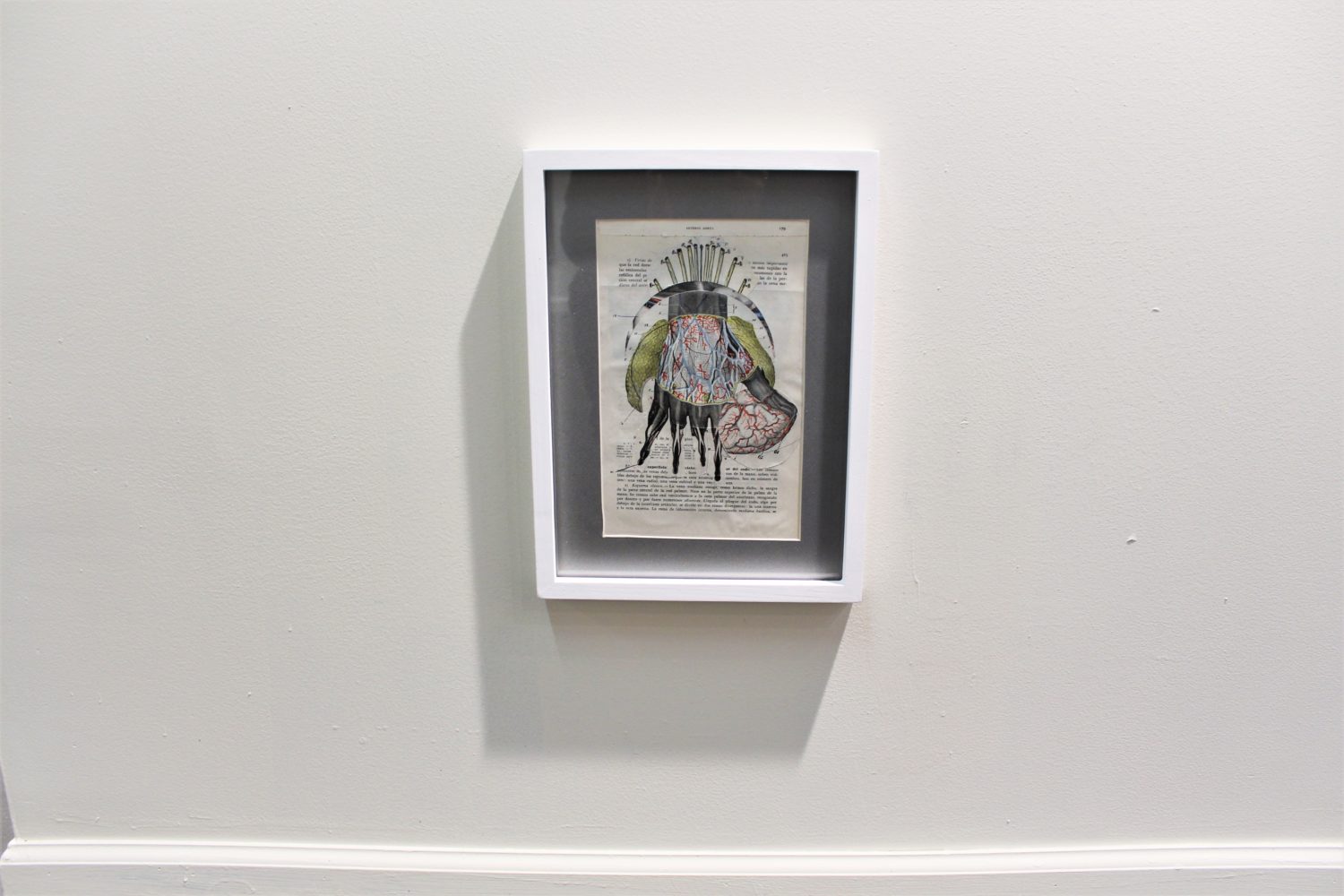
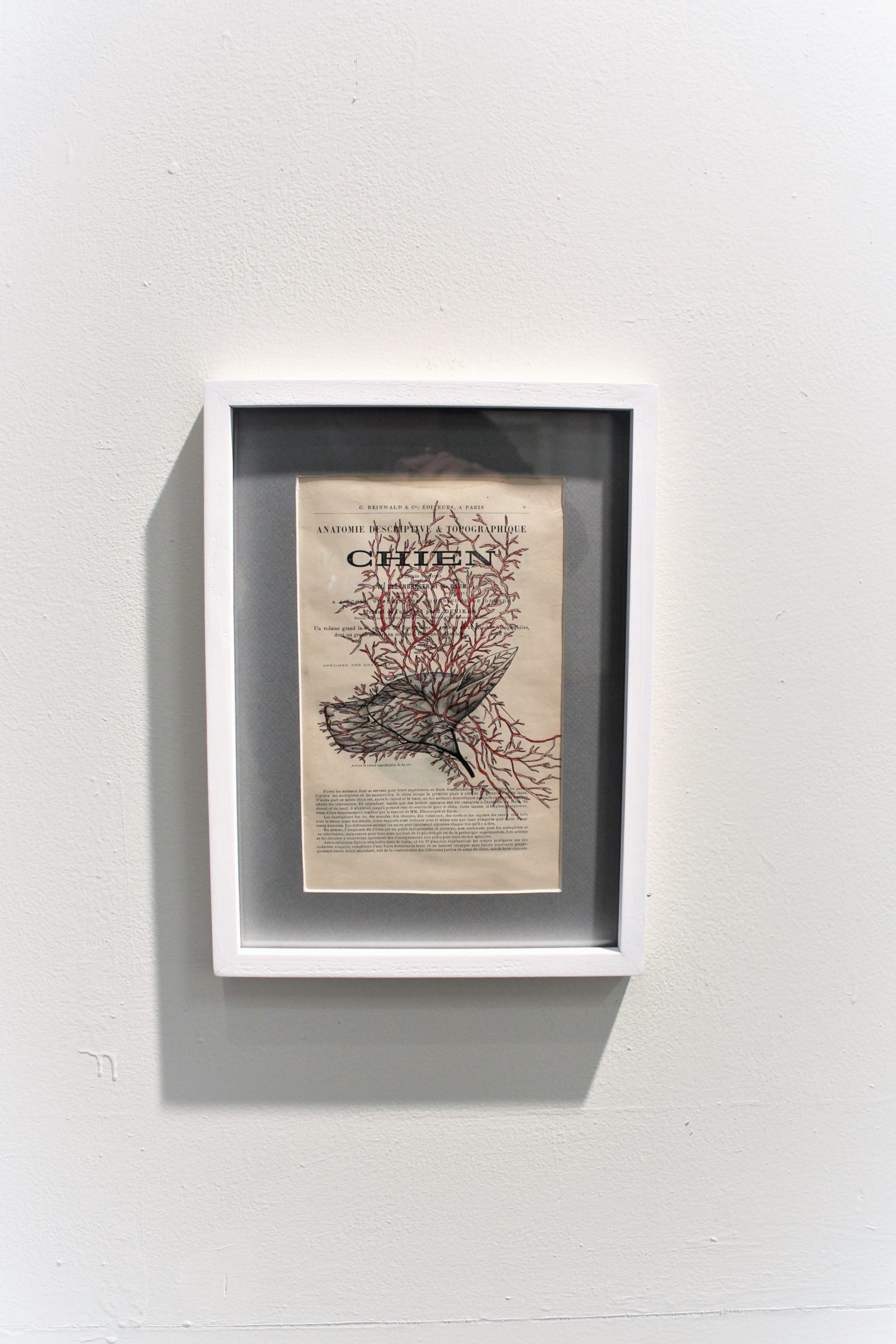
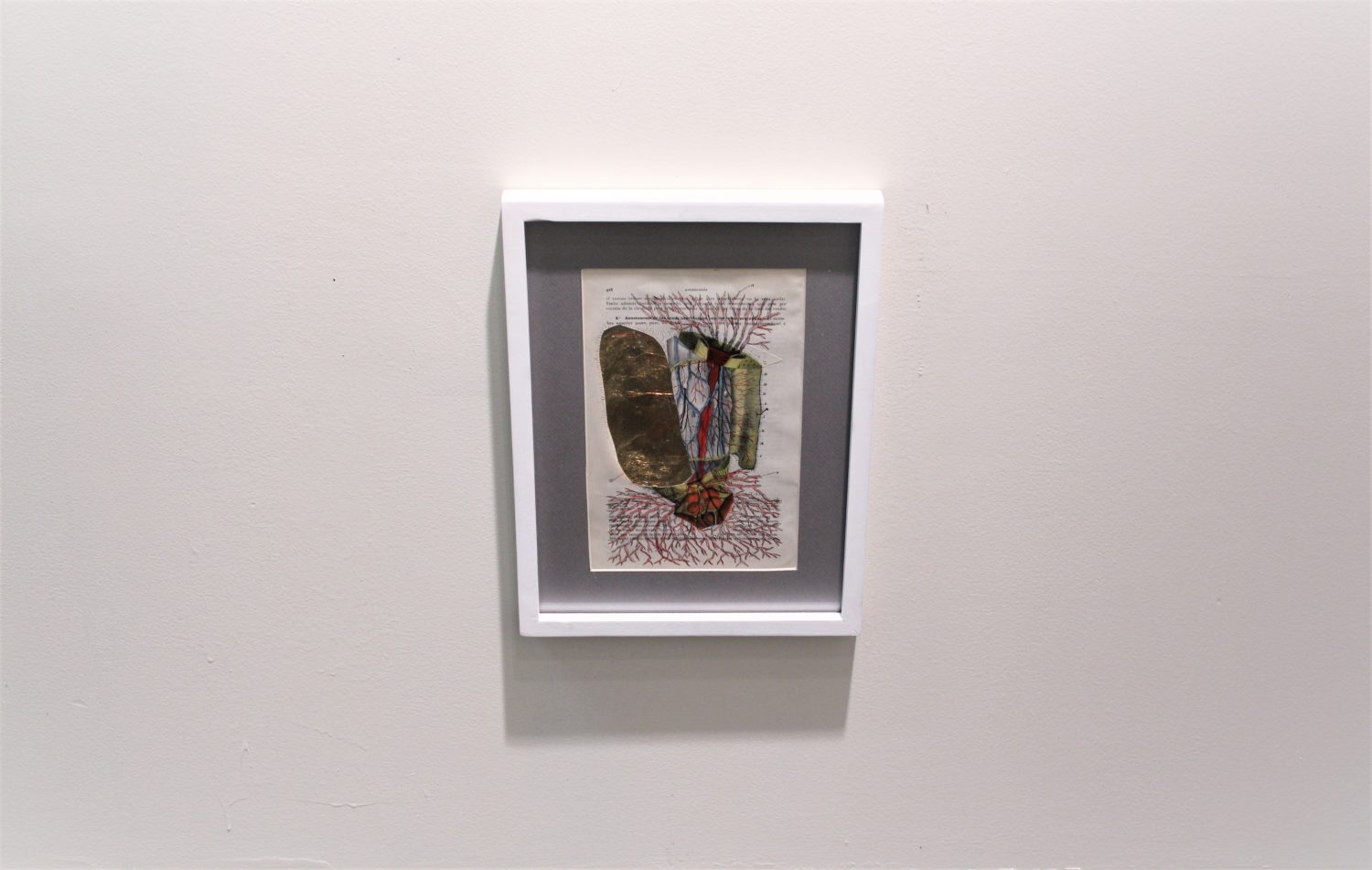
Ink on cotton paper.
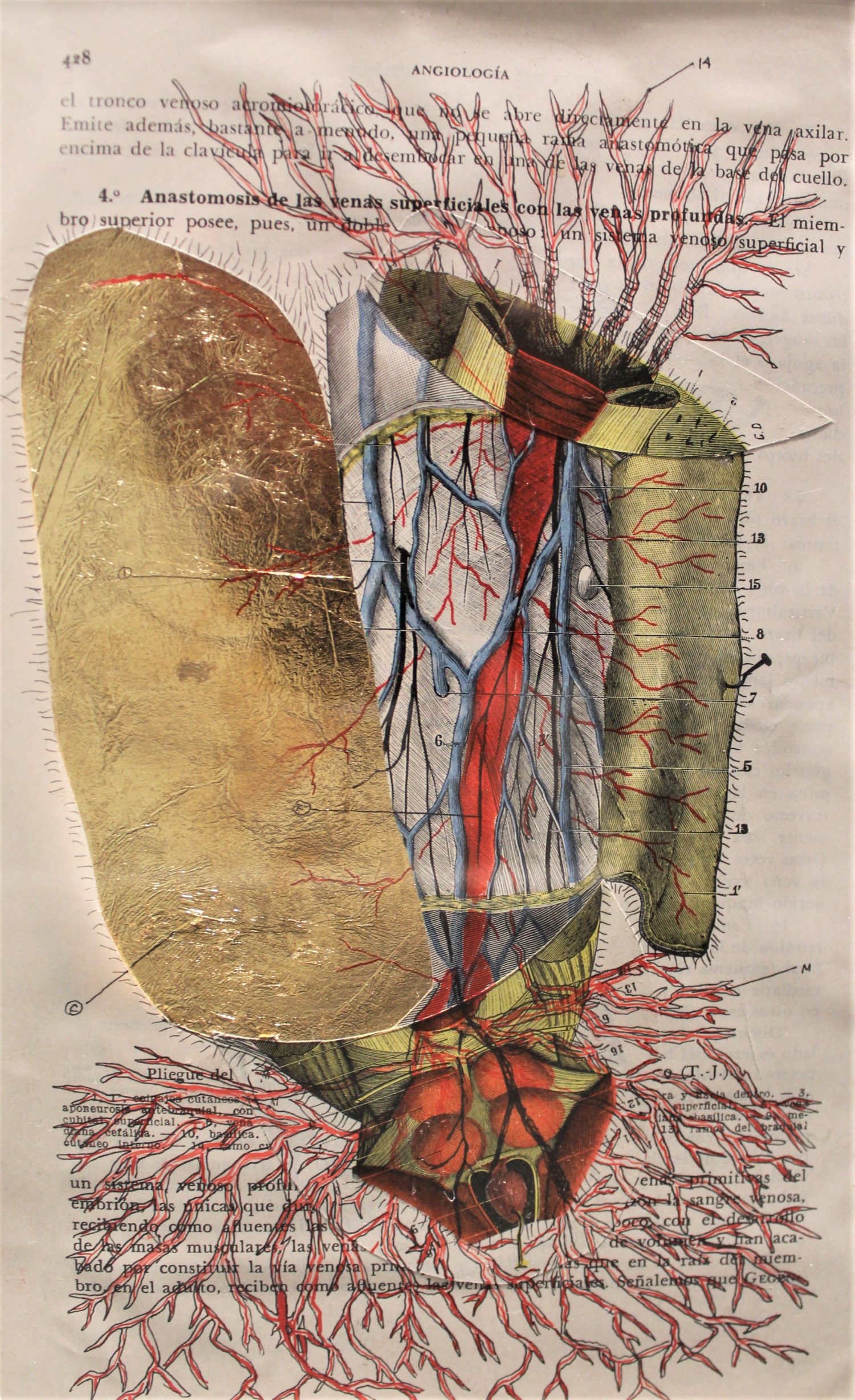
Ink and golden leaf on paper.
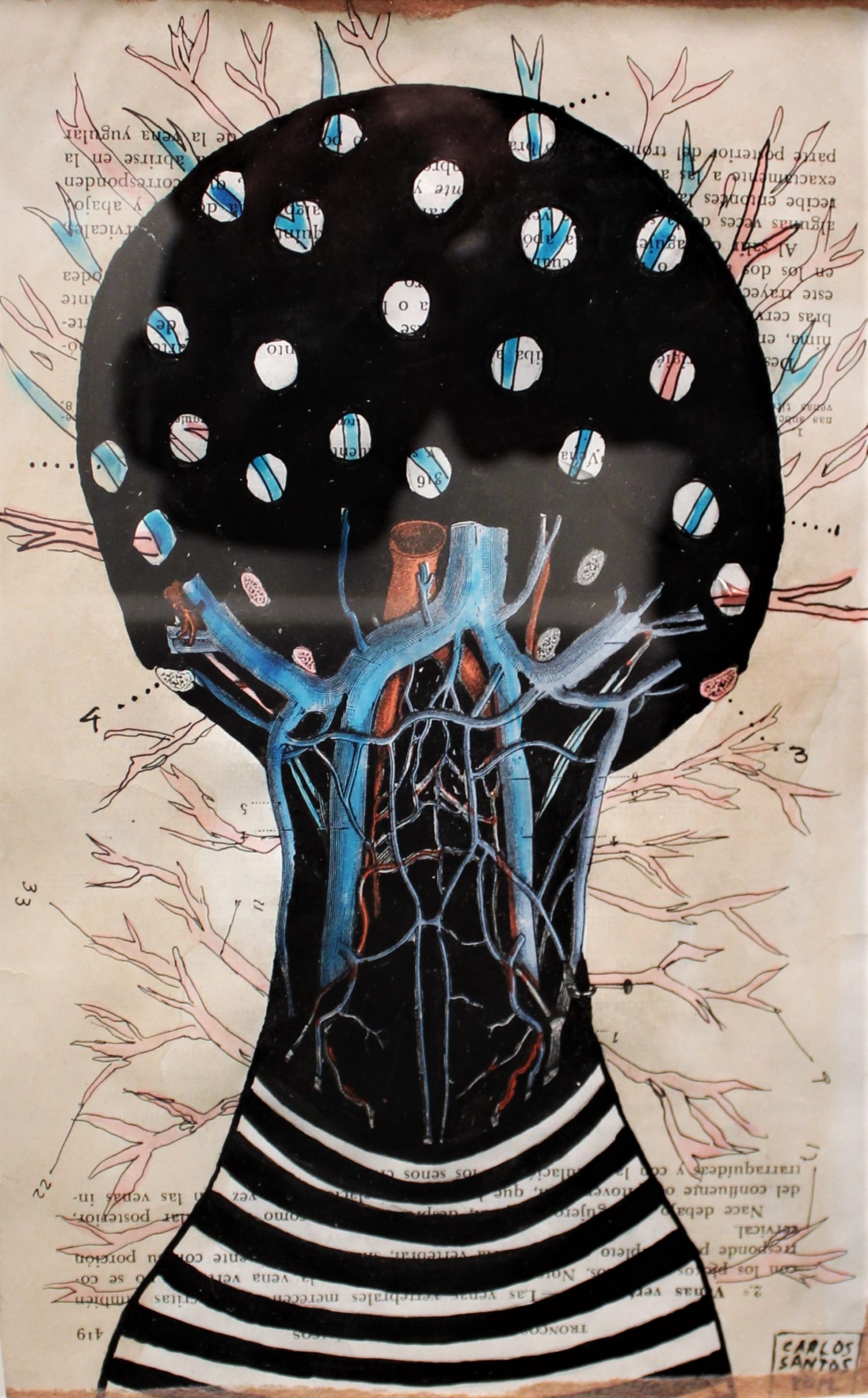
Ink on paper.
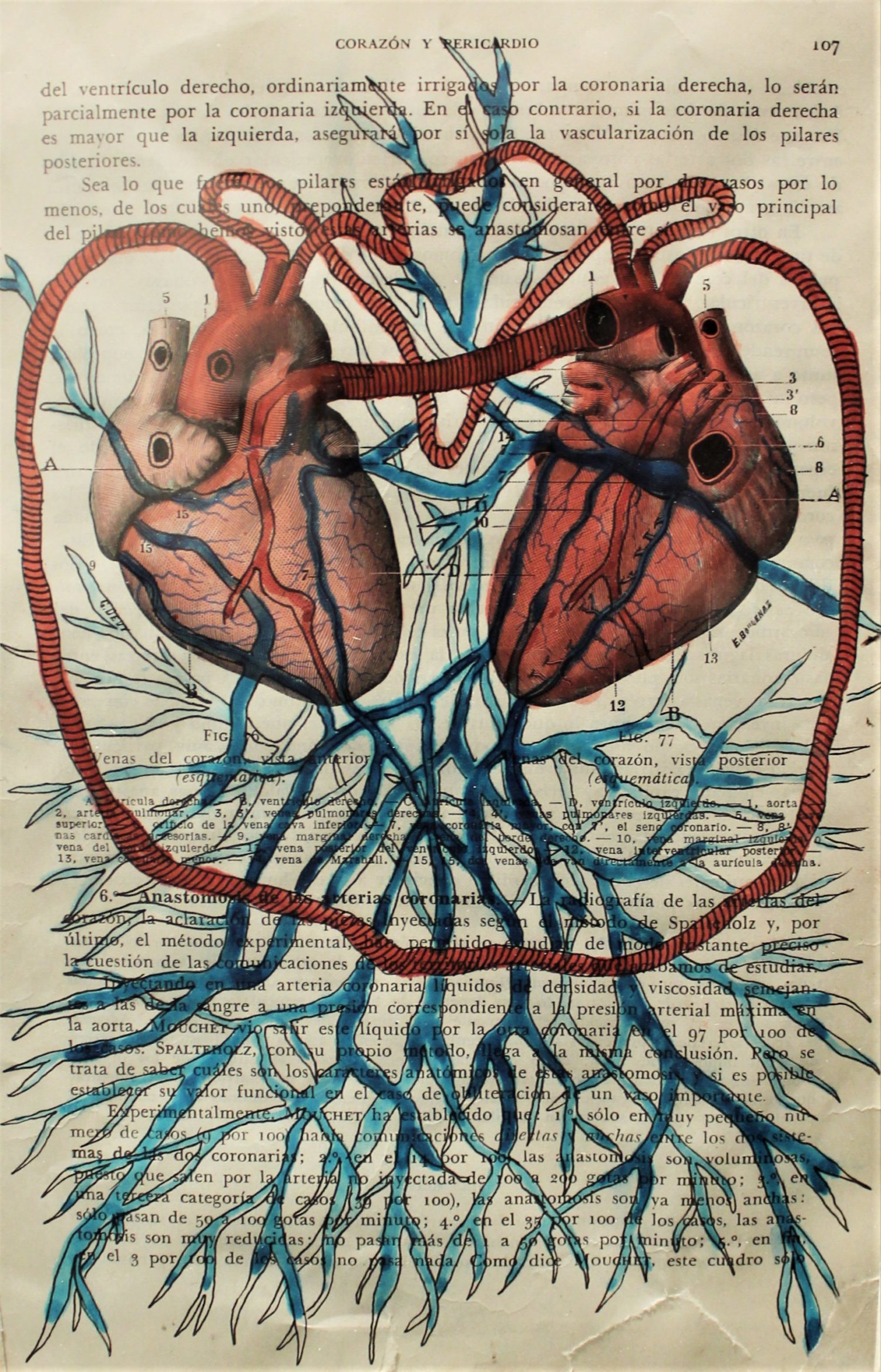
Ink on paper.
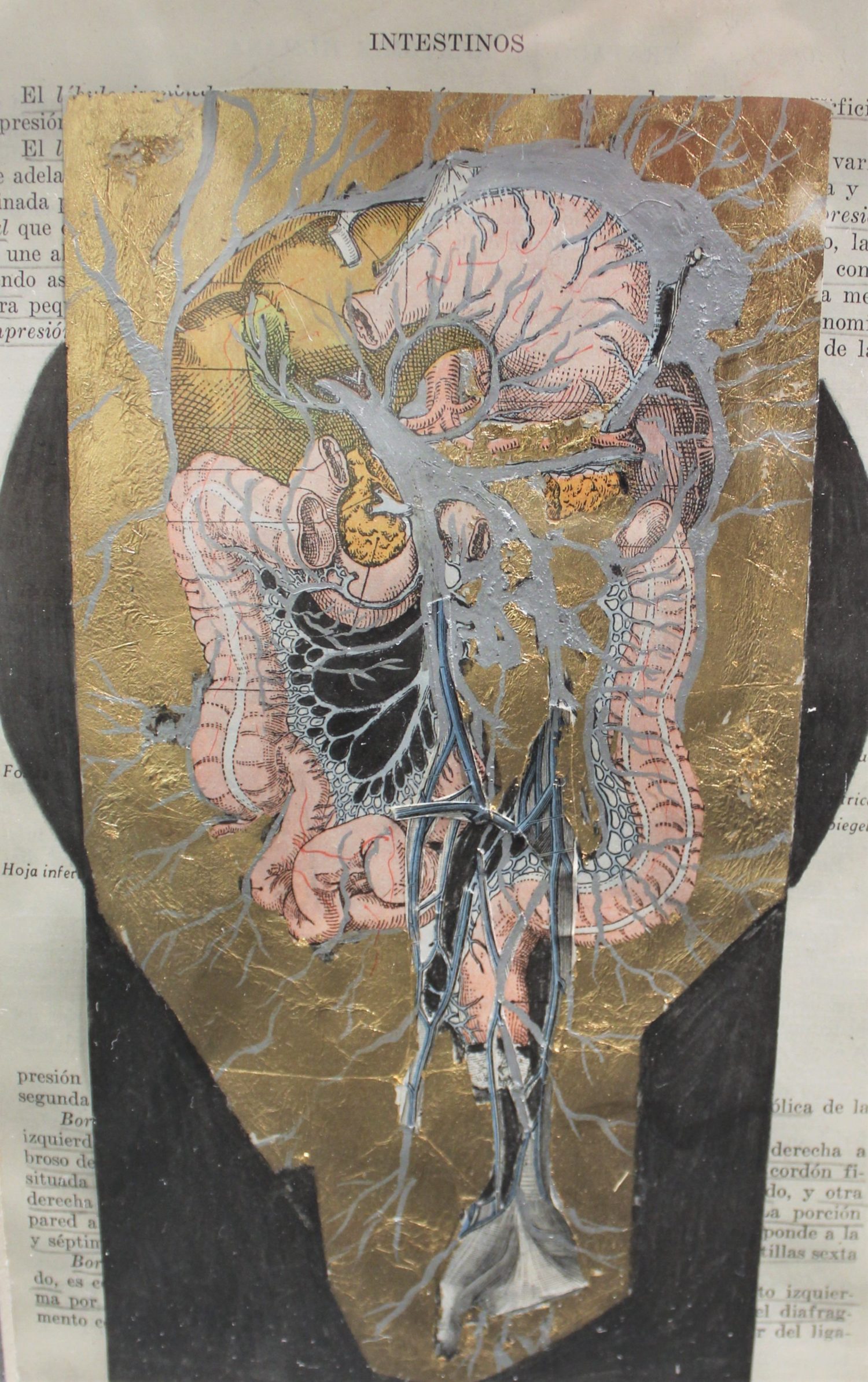
Ink, grahite and golden leaf on paper.
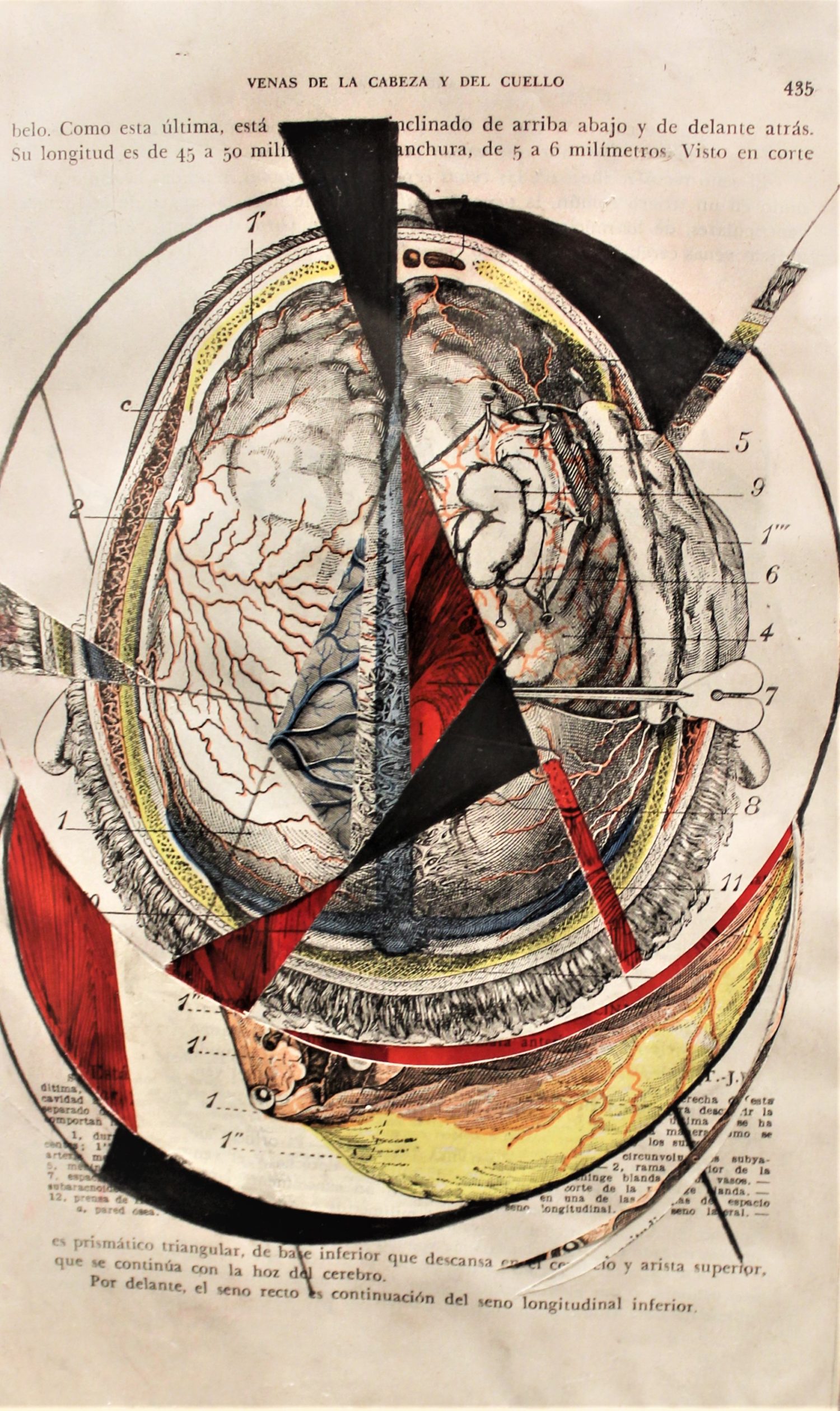
Ink, grahite on paper.
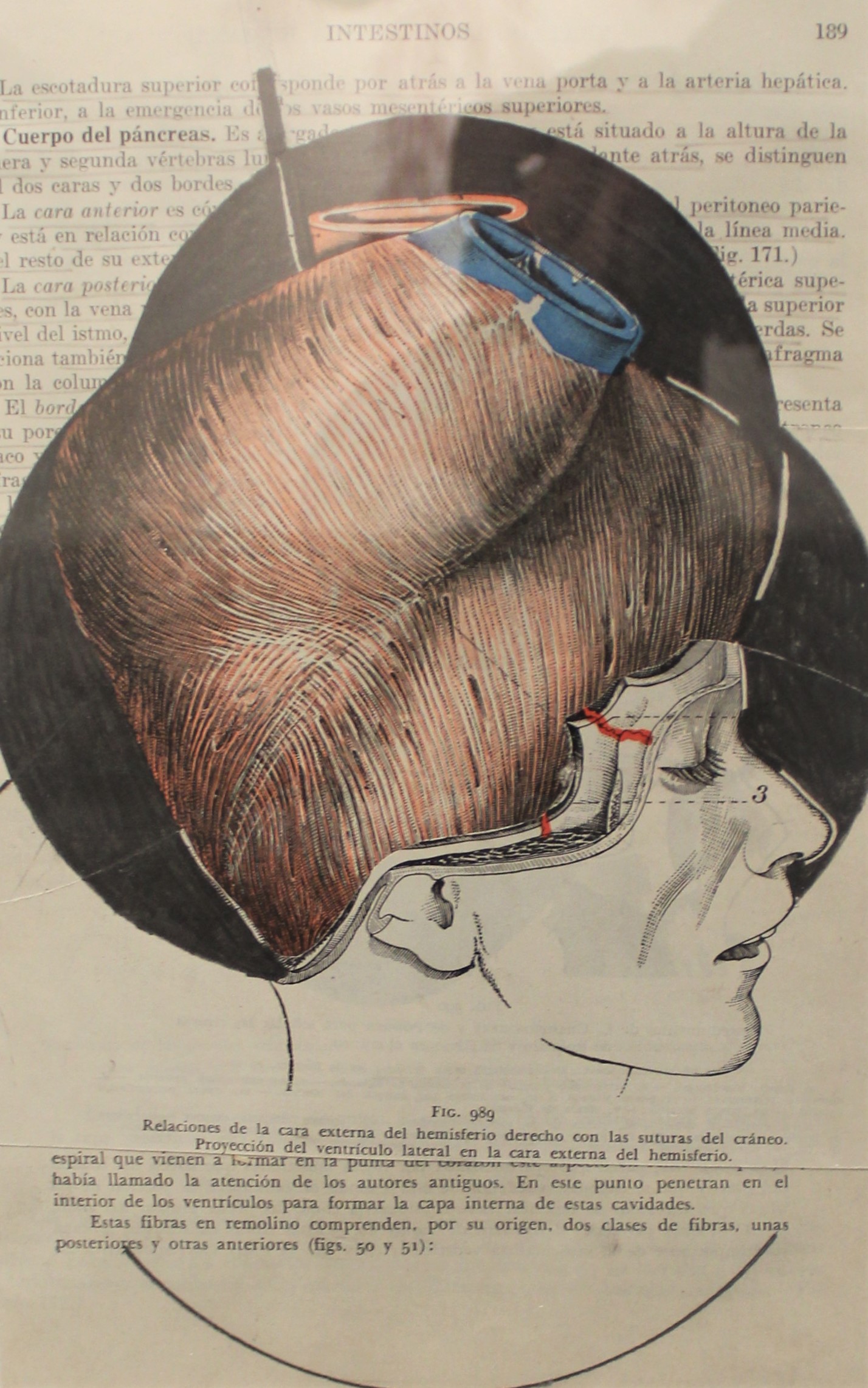
Ink and grahite on paper.
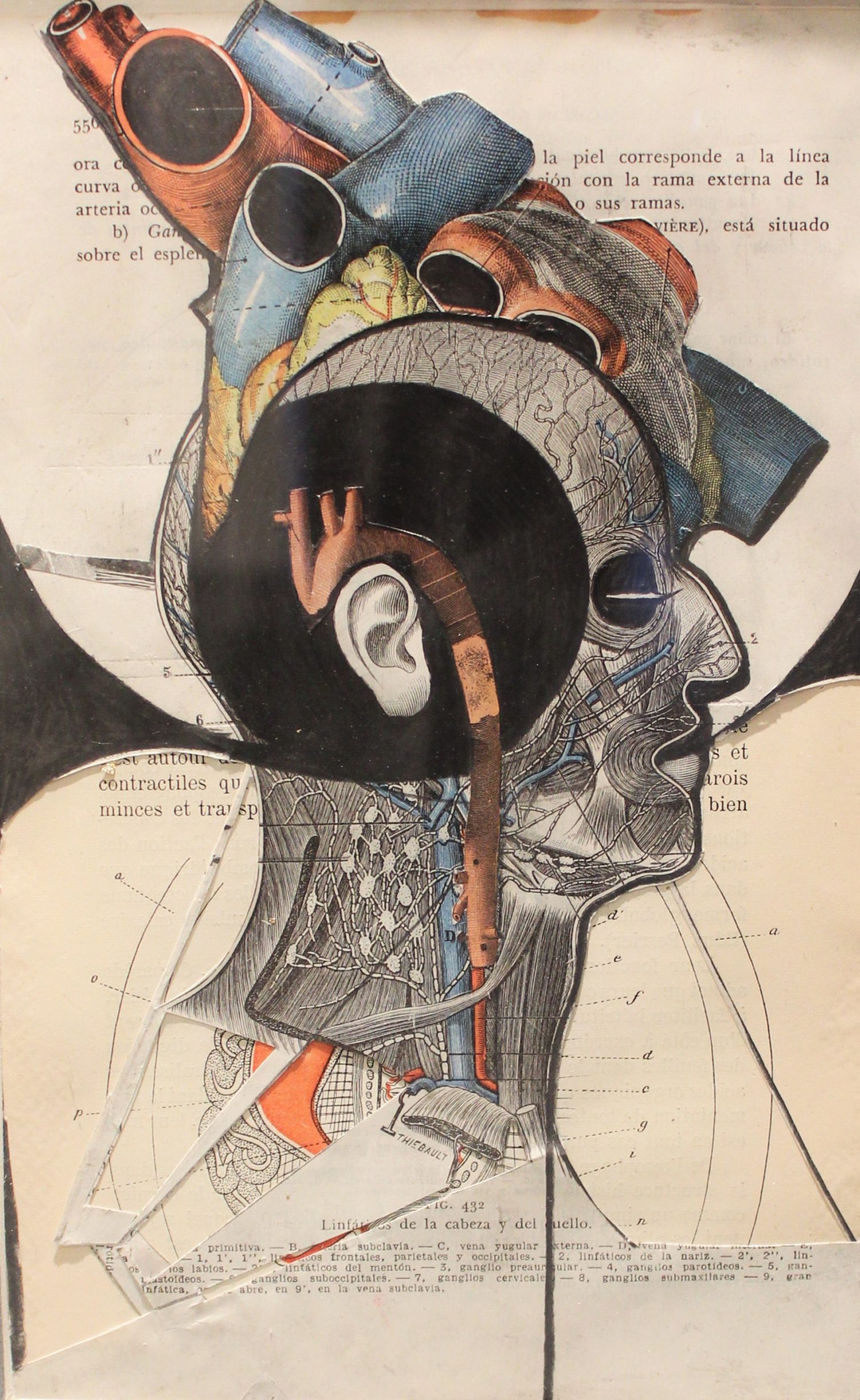
Ink and graphite on paper.
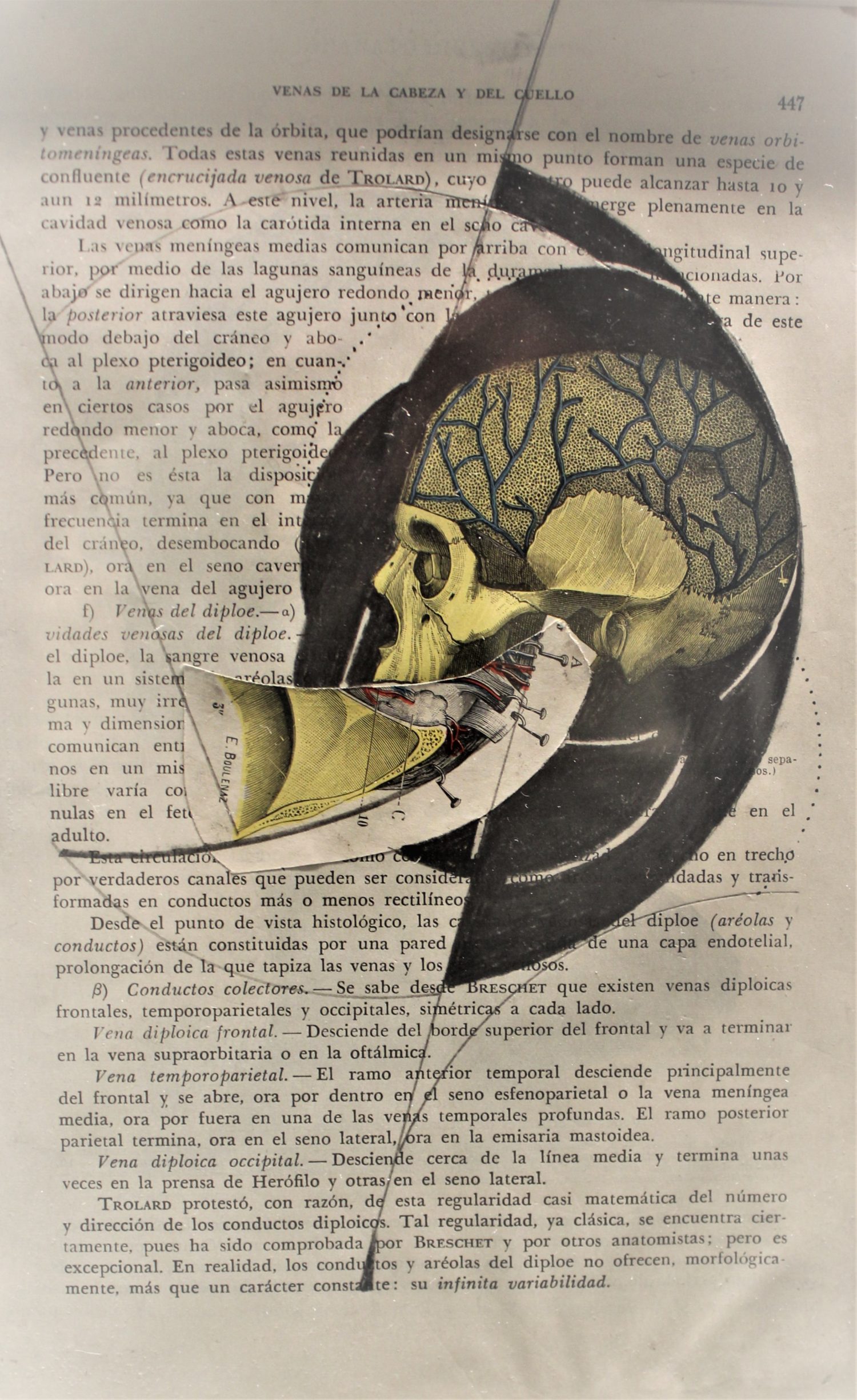
Ink and grahite on paper.
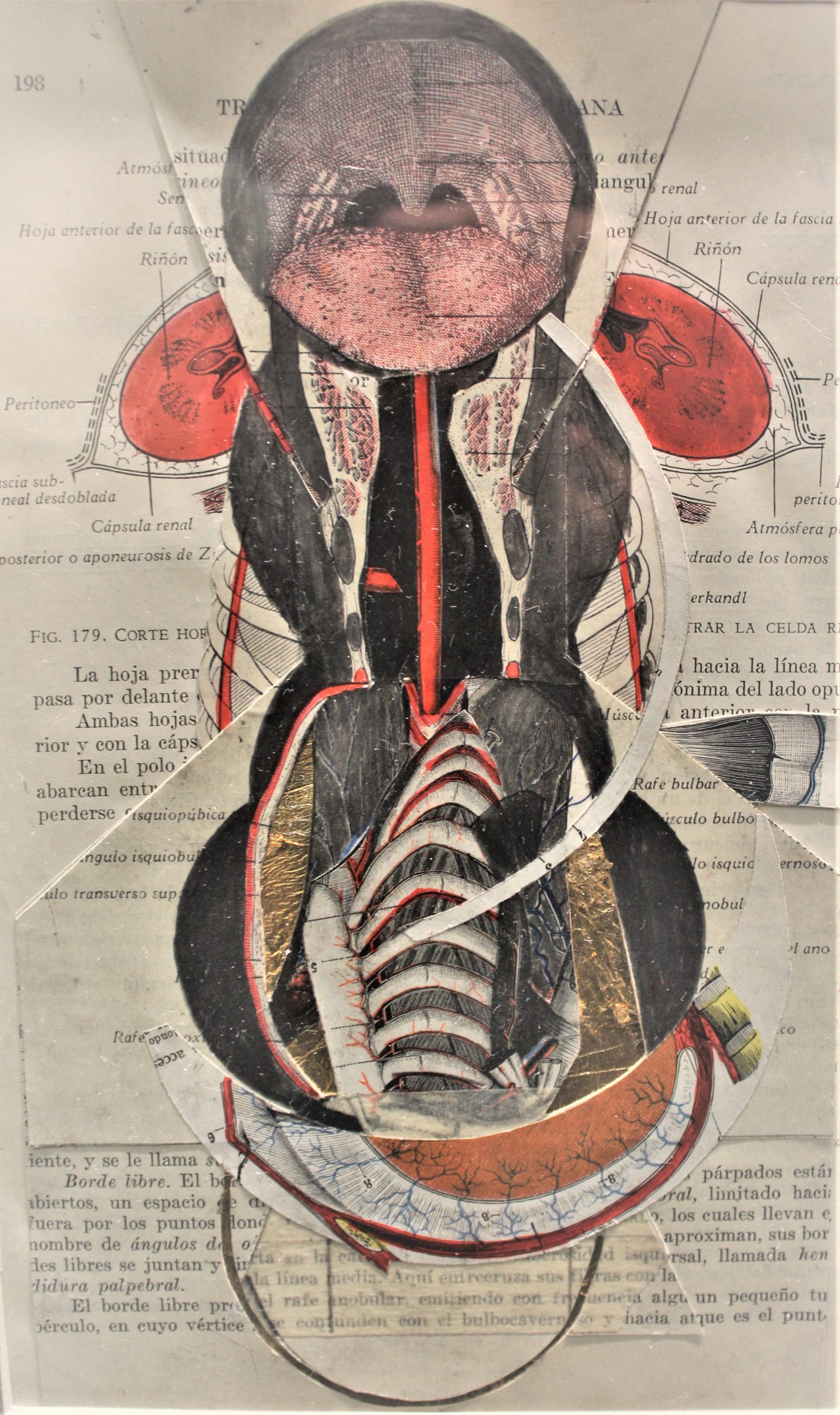
Ink on paper
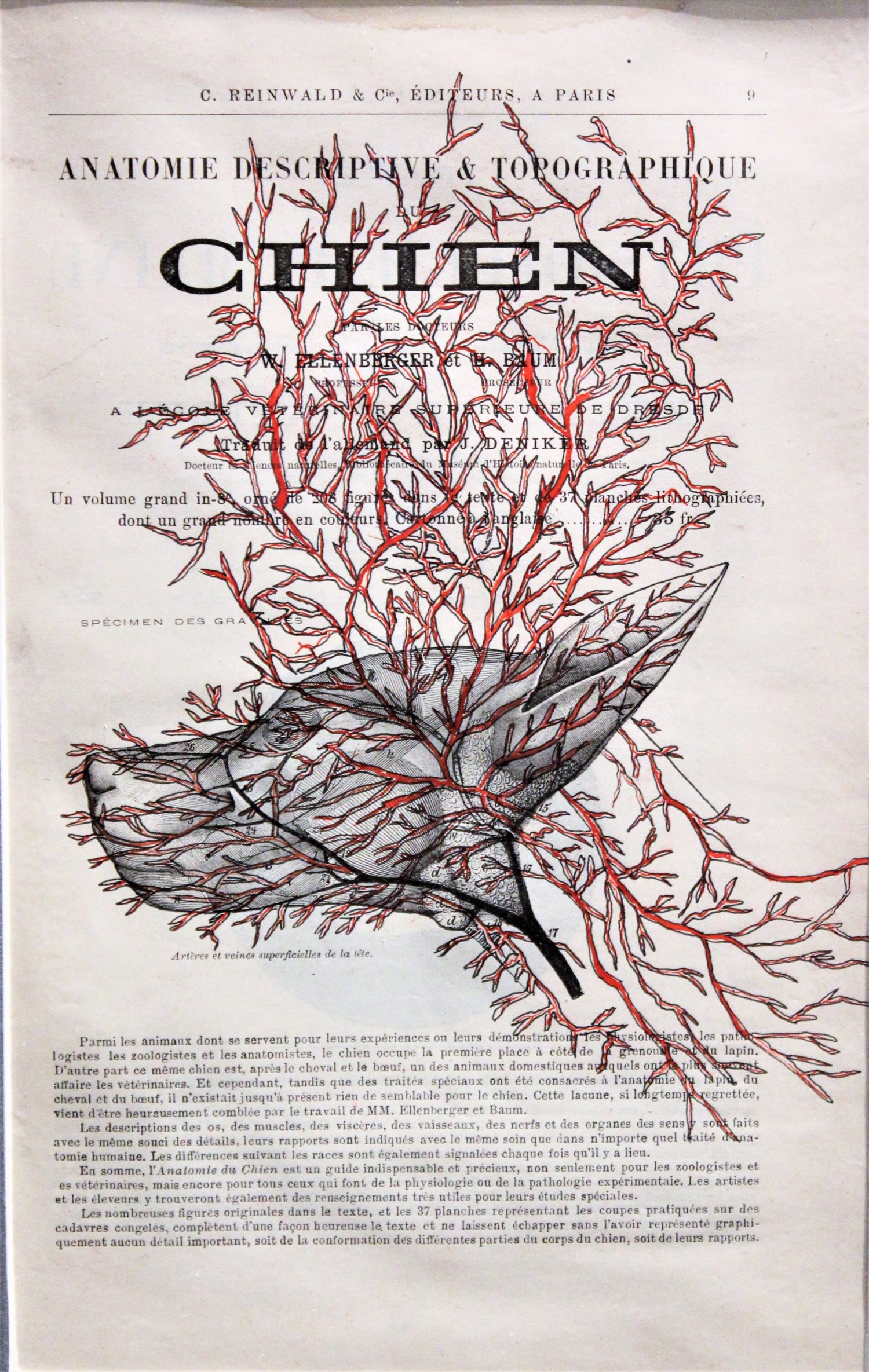
Ink on paper.
It´s not what you want, is what you see.
ACS Gallery. Chicago Ilinois, USA.
2016
ACS Gallery. Chicago Ilinois, USA.
Symptoms of Perspective
Perception can be considered calling out the inner substance that conforms form and matter, an approach that collides the act of experience to the concept of the divine.
Descartes formulated his theories around the sensorial experience of seeing while Malebranche recurred to the supernaturally divine to reinforce his epistemological theories, both served as a catalyst for discussion in the XVI Century and paved the way for the ideological formulation of the clinic in the last years of the XVIII Century.
It could be argued that the birth of modern medicine was based upon inherent perception and the development of archival terms and illustrations that allowed society to gaze inside the wonders of the body.
In medicine’s earliest beginnings, the doctor was considered to be a somewhat blessed individual who had the gift of seeing symptoms and addressing them in through both theory and practice; it is this unique gaze that stands out within the context and proclaims a new right of dissecting unknown realities to re-examine the original distribution of the visible and invisible, what is in plain sight and what is yet to be seen.
Carlos Santos makes use of this inherent gaze to apply a medical approach to an artistic perspective, using natural elements such as grinded bones and other minerals to give shape to the intricately amorphous compositions that comprise his body of work. Matter and form collide in Santos’ compulsive compositions, revealing previously unknown figures through the constant dialogue between light and darkness, both in material and in concept.
According to Foucault, “seeing consists in leaving to experience its greatest corporal opacity; the solidity, the obscurity, the density of things closed in upon themselves, have powers of truth that they owe not to light, but to the slowness of the gaze that passes over them, around them, and gradually into them, bringing them nothing more than its own light.
The residence of truth in the dark center of things is linked, paradoxically, to this sovereign power of the empirical gaze that turns their darkness into” , it is from this unique perspective that Santos is able to dissect substance into limitless notions of being.
