

Sculptures
CARLOS SANTOS: THE INVISIBLE LIFE
Gabriel Santamarina, 2018.
“Whereof one cannot speak, thereof one must be silent.”
Ludwig Wittgenstein, 1921.
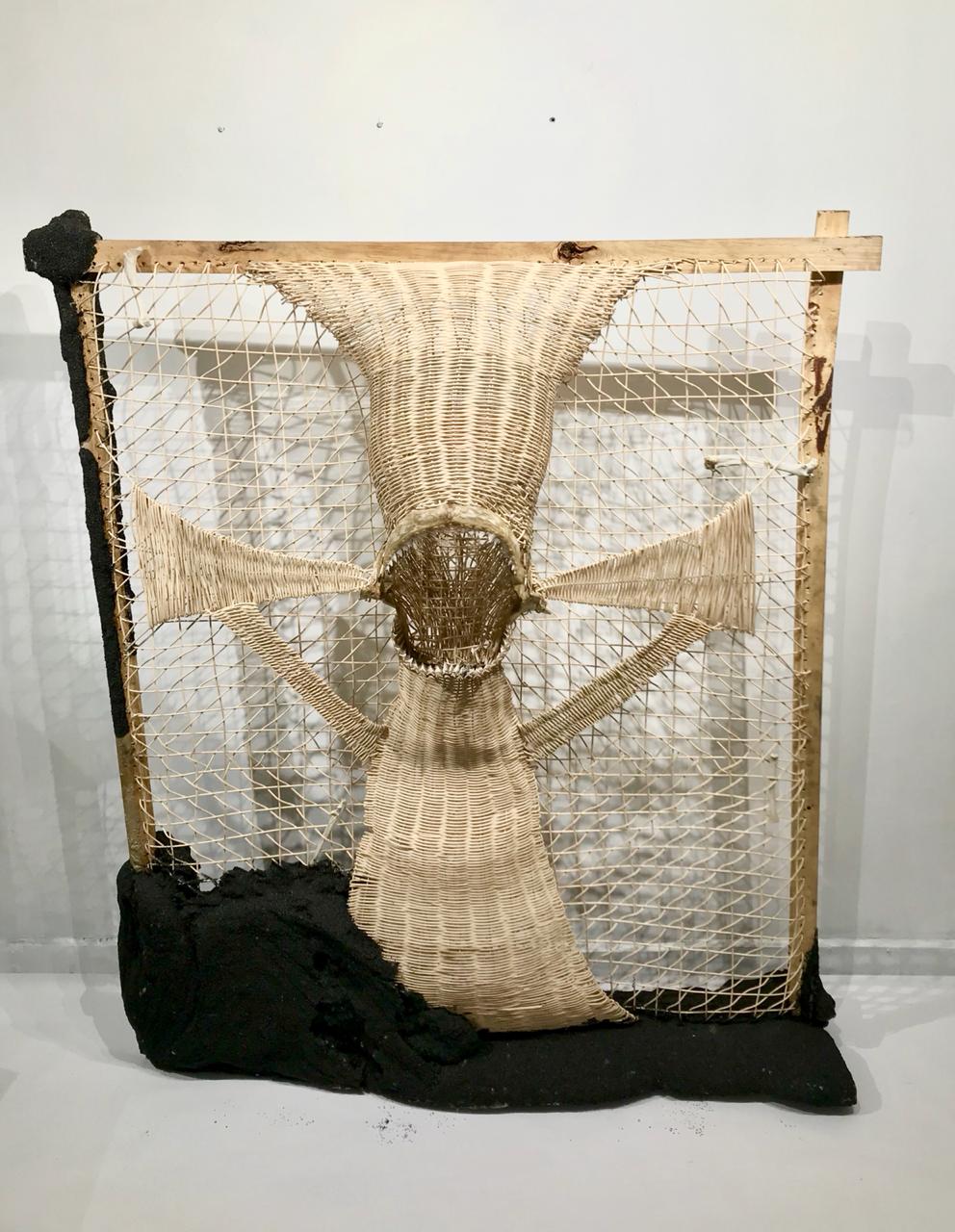
If consciousness is an essential aspect of existence, as quantum physics have shown us, what can we learn from beholding the moment when matter and consciousness merge together in the works of Carlos Santos?
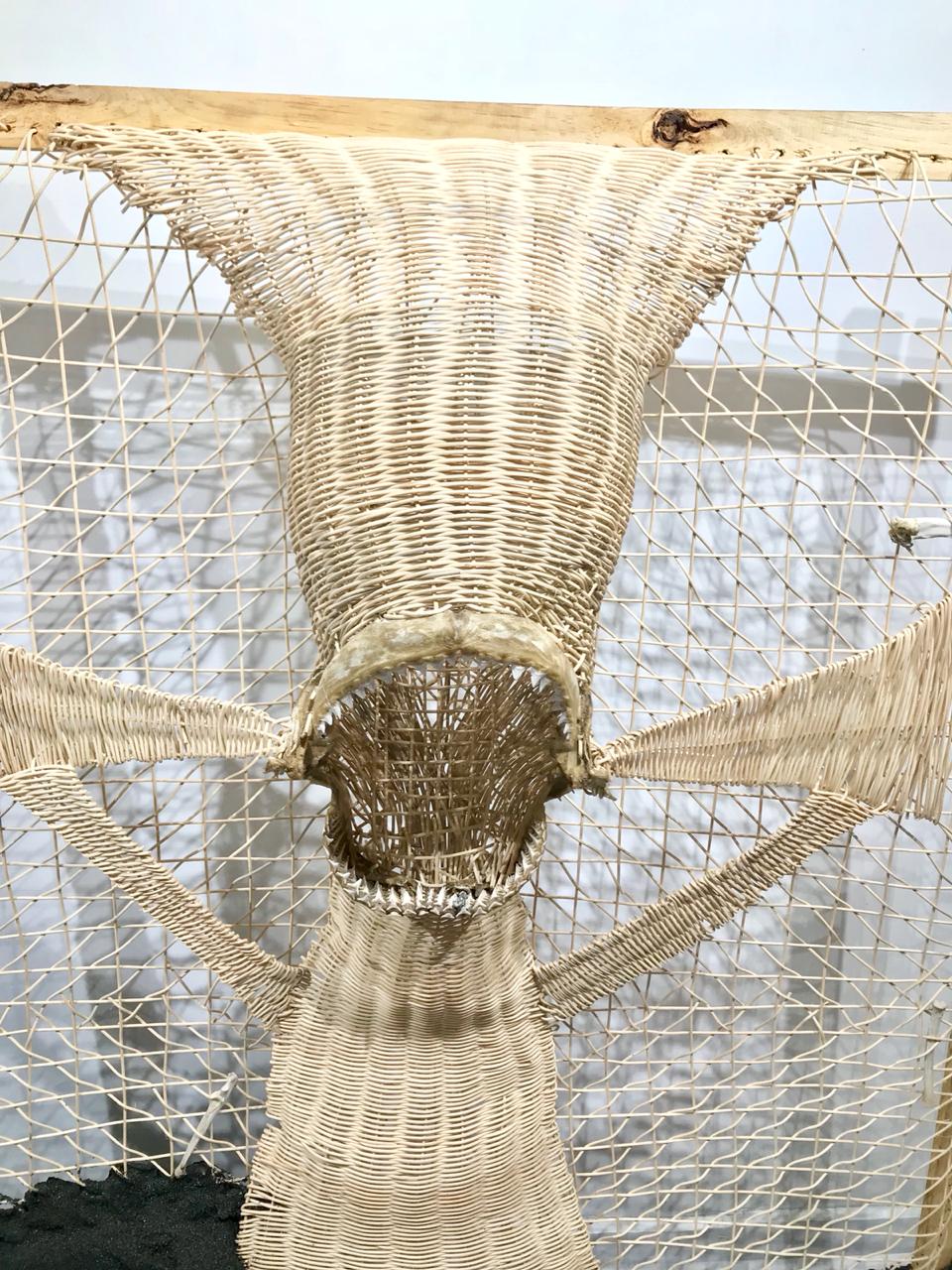
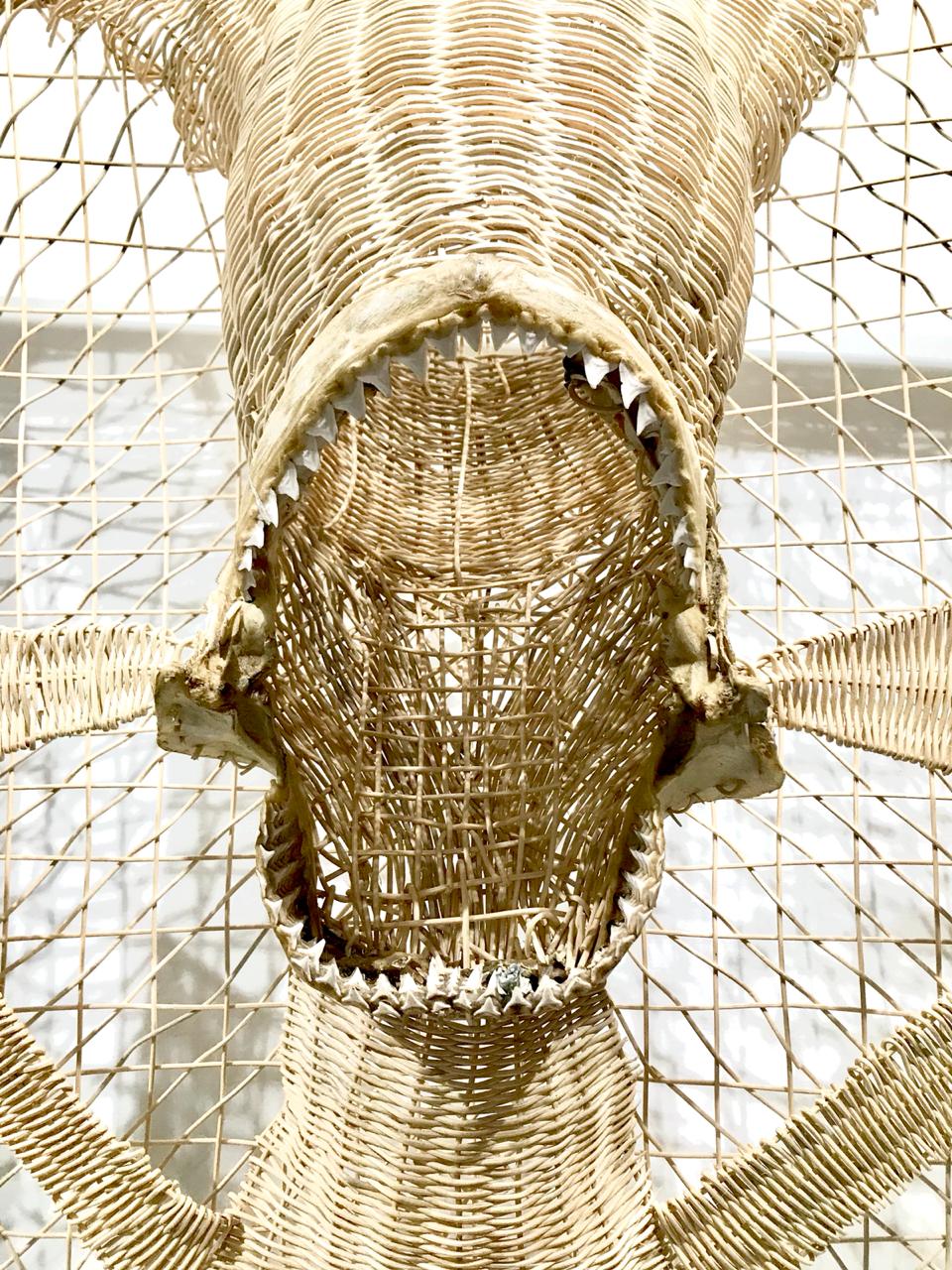
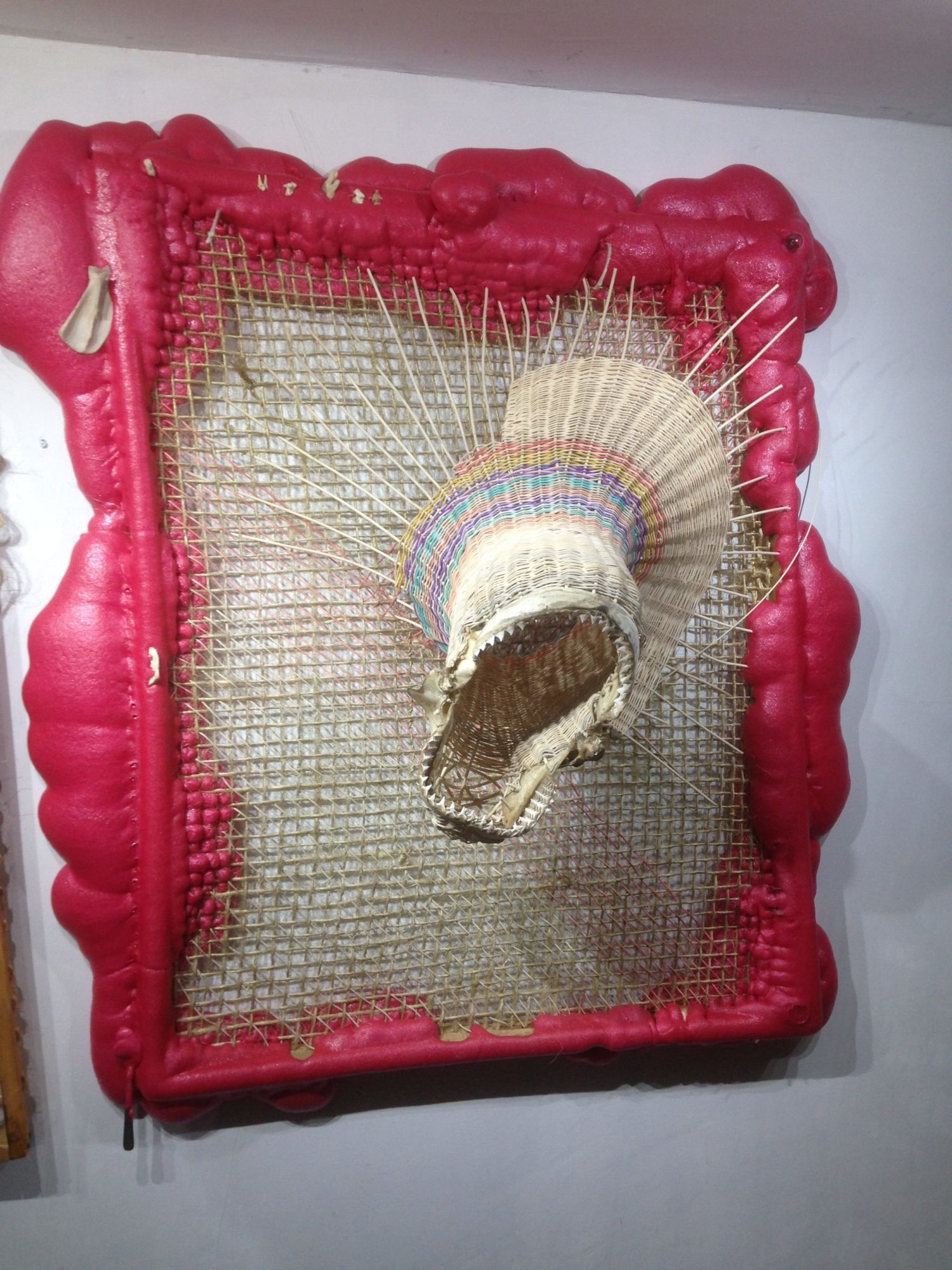
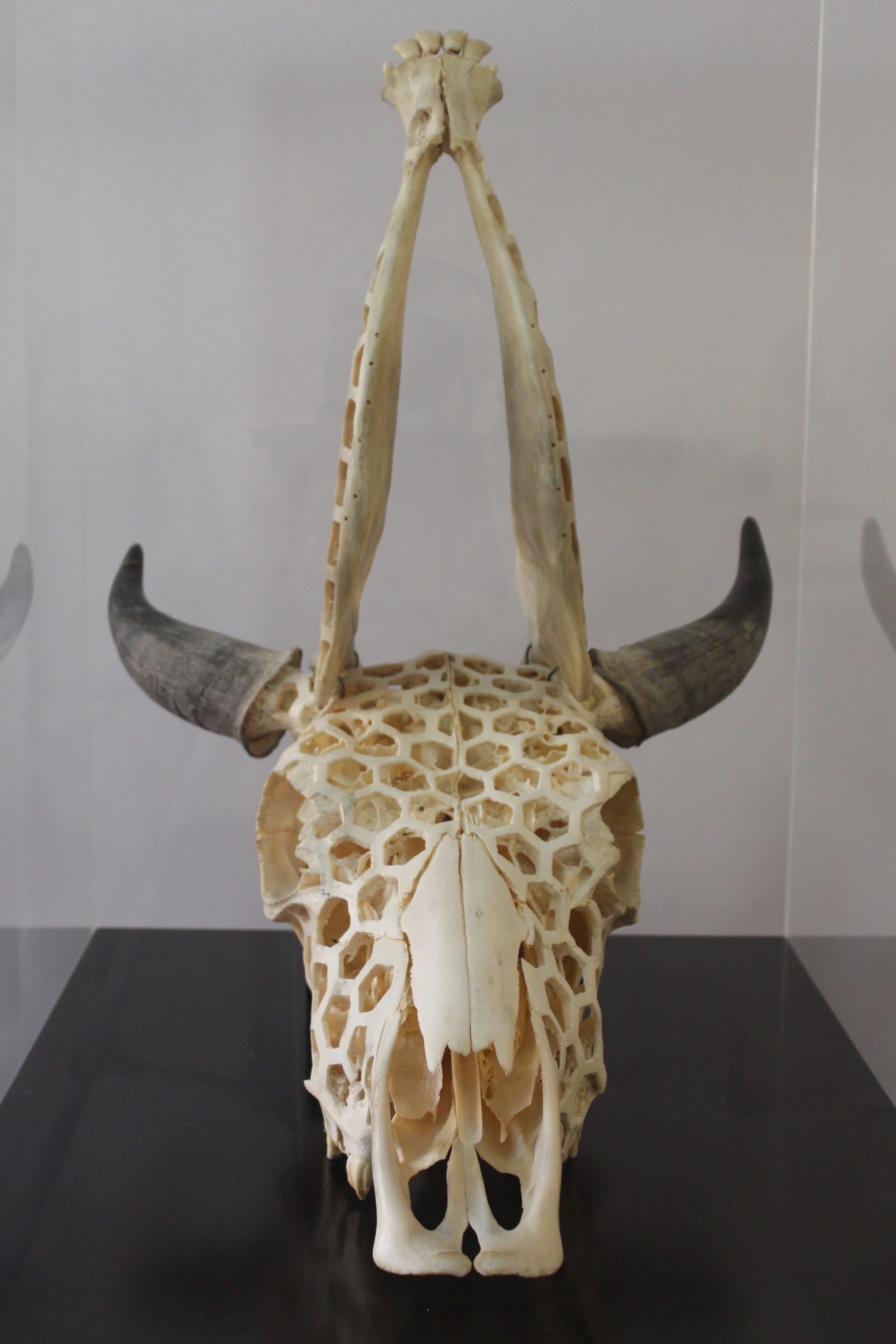
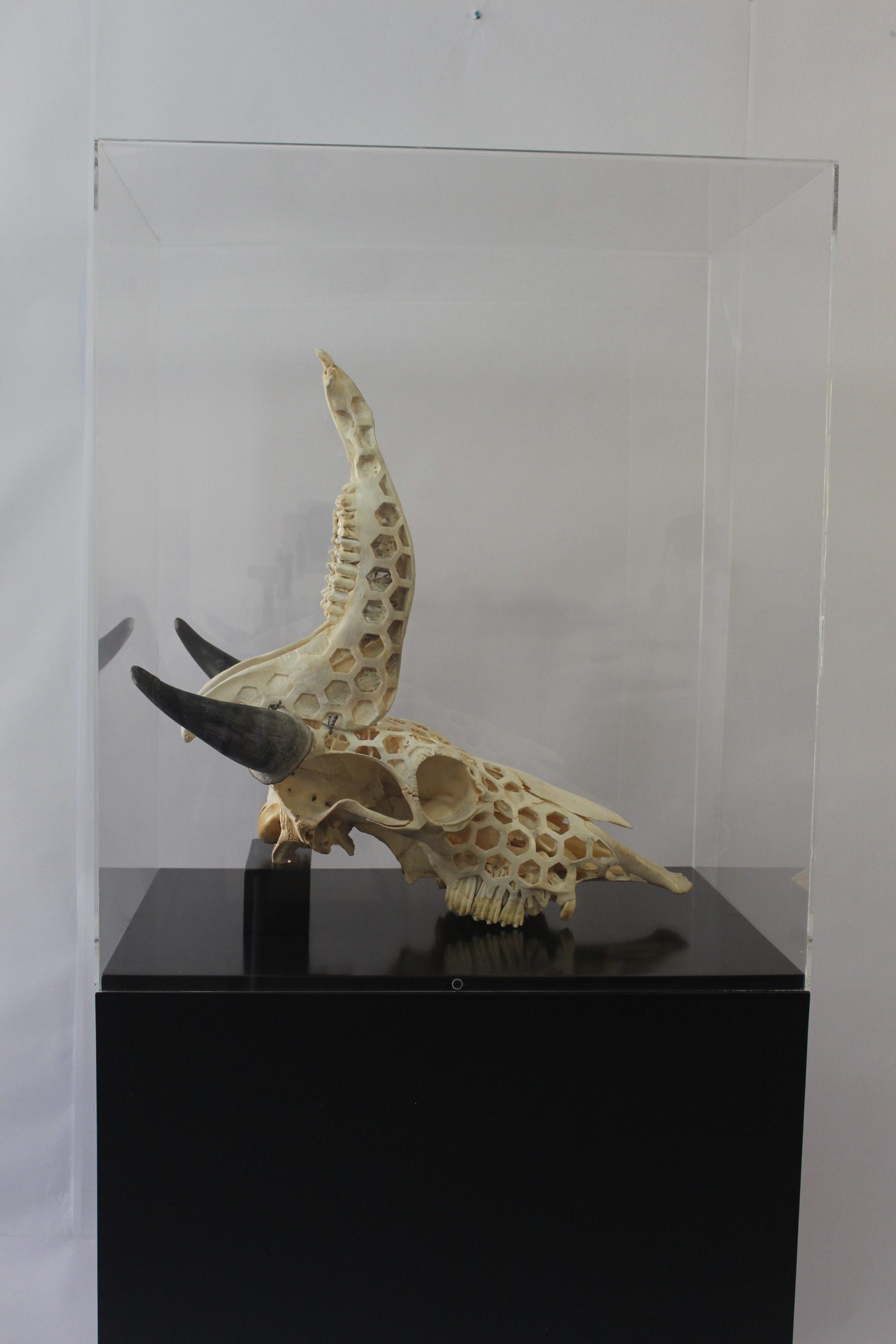
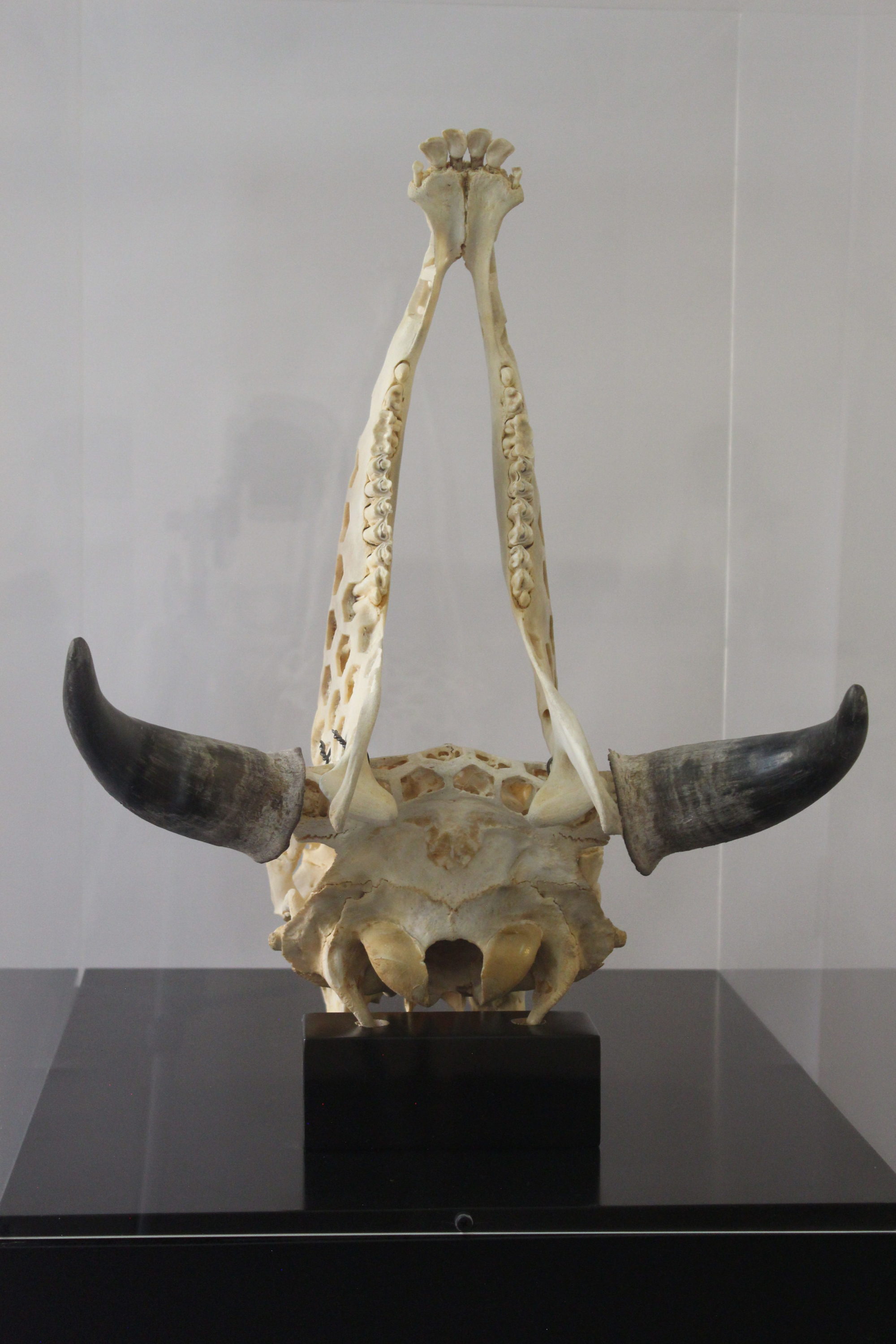
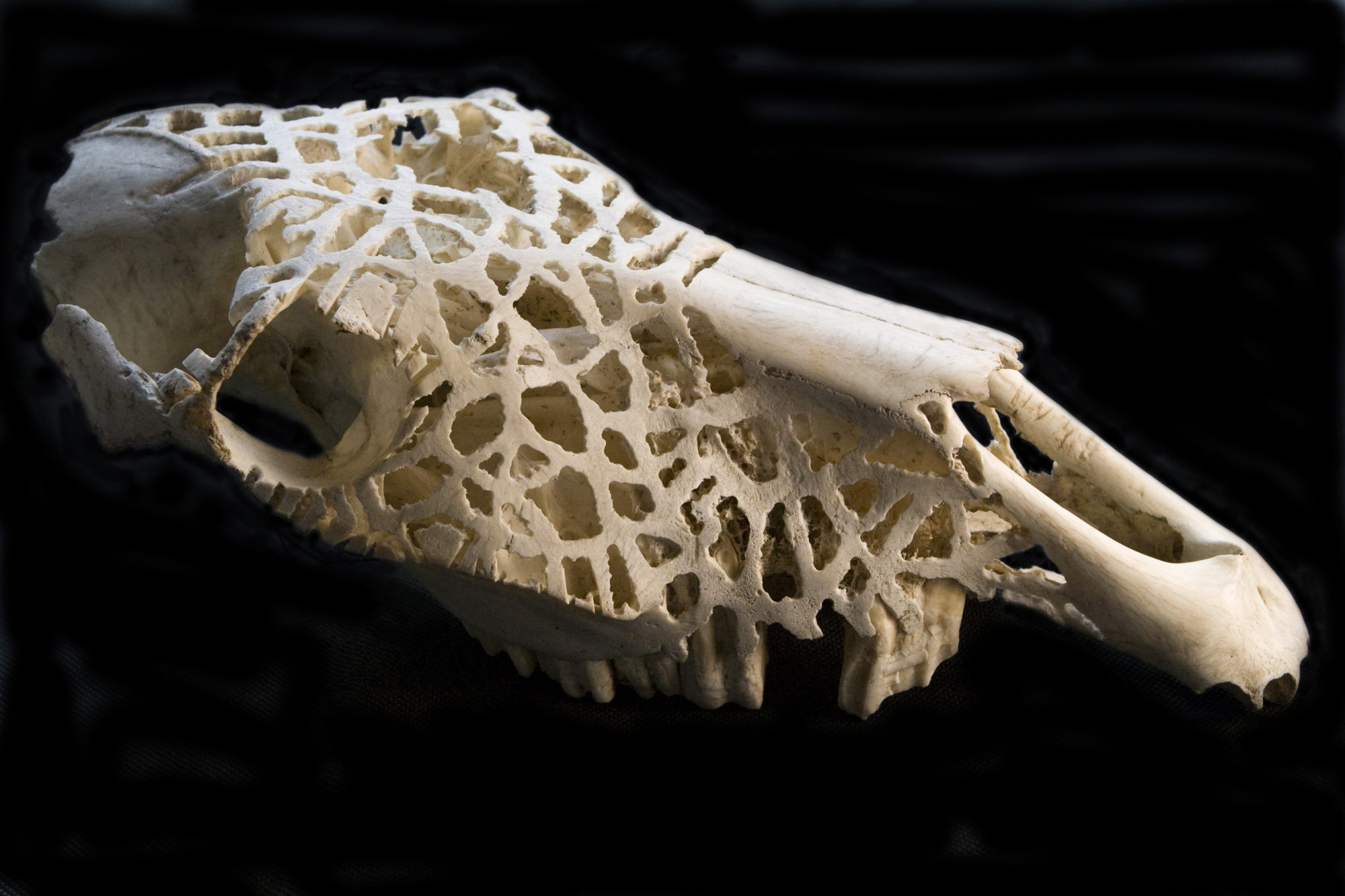
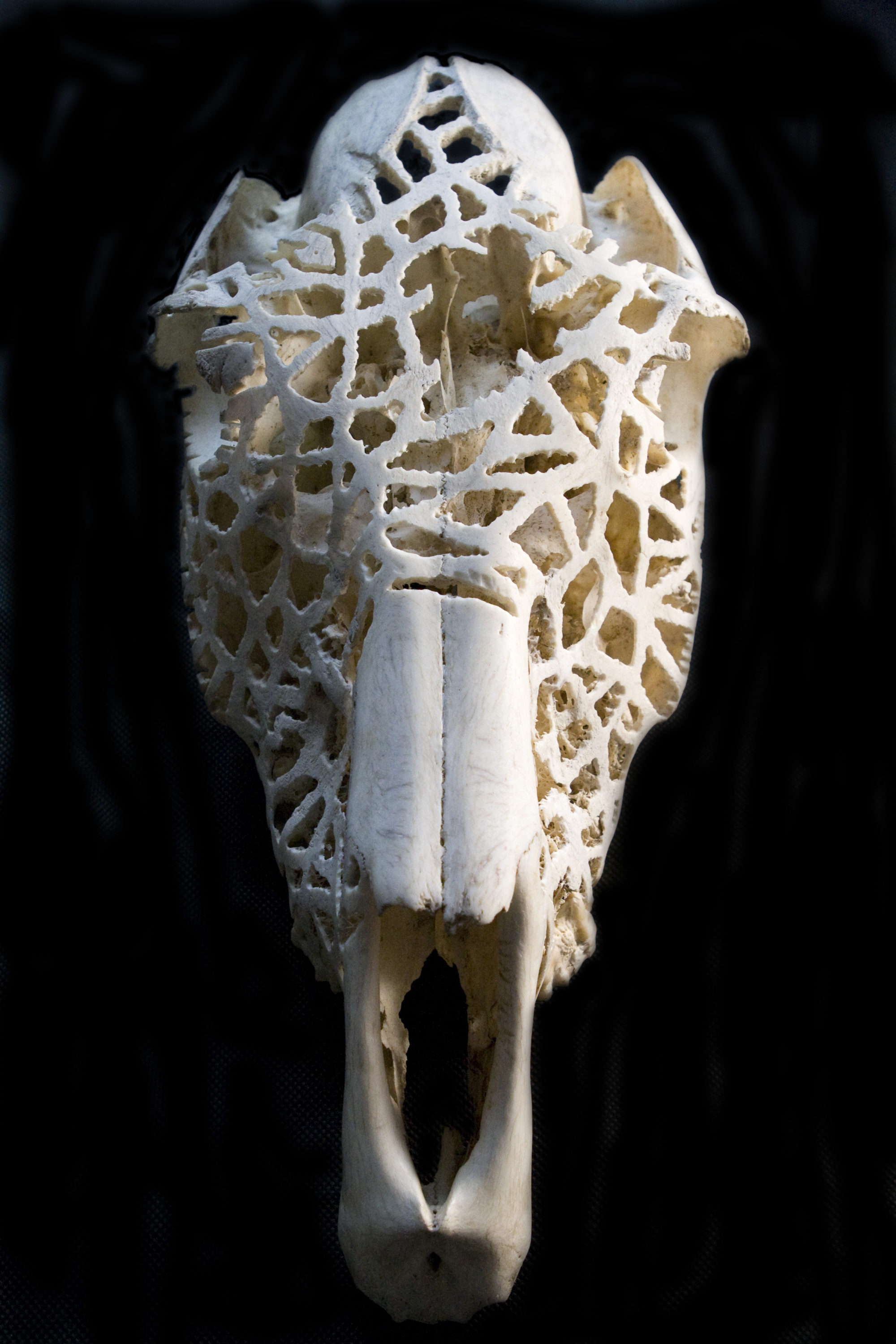
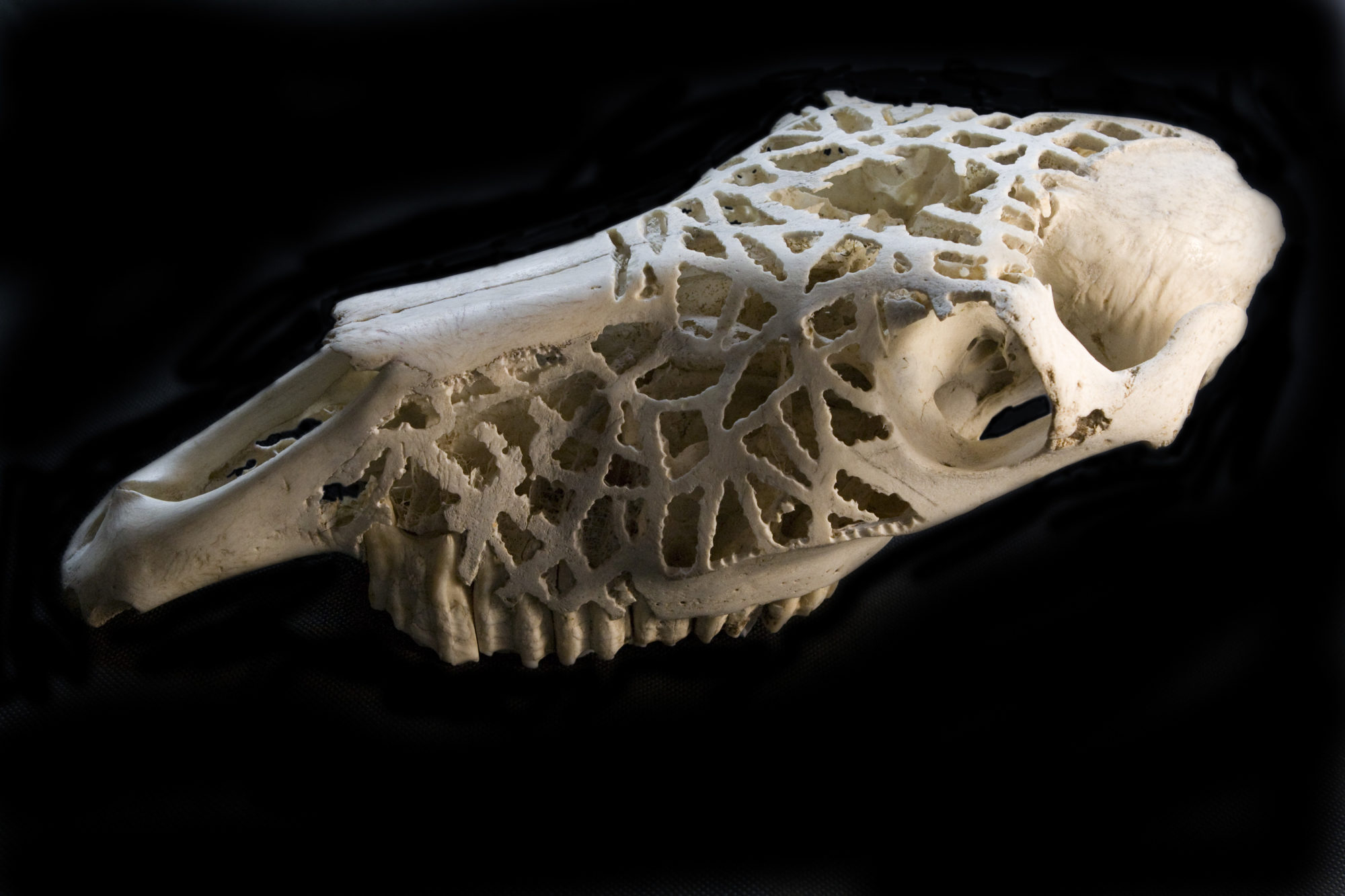
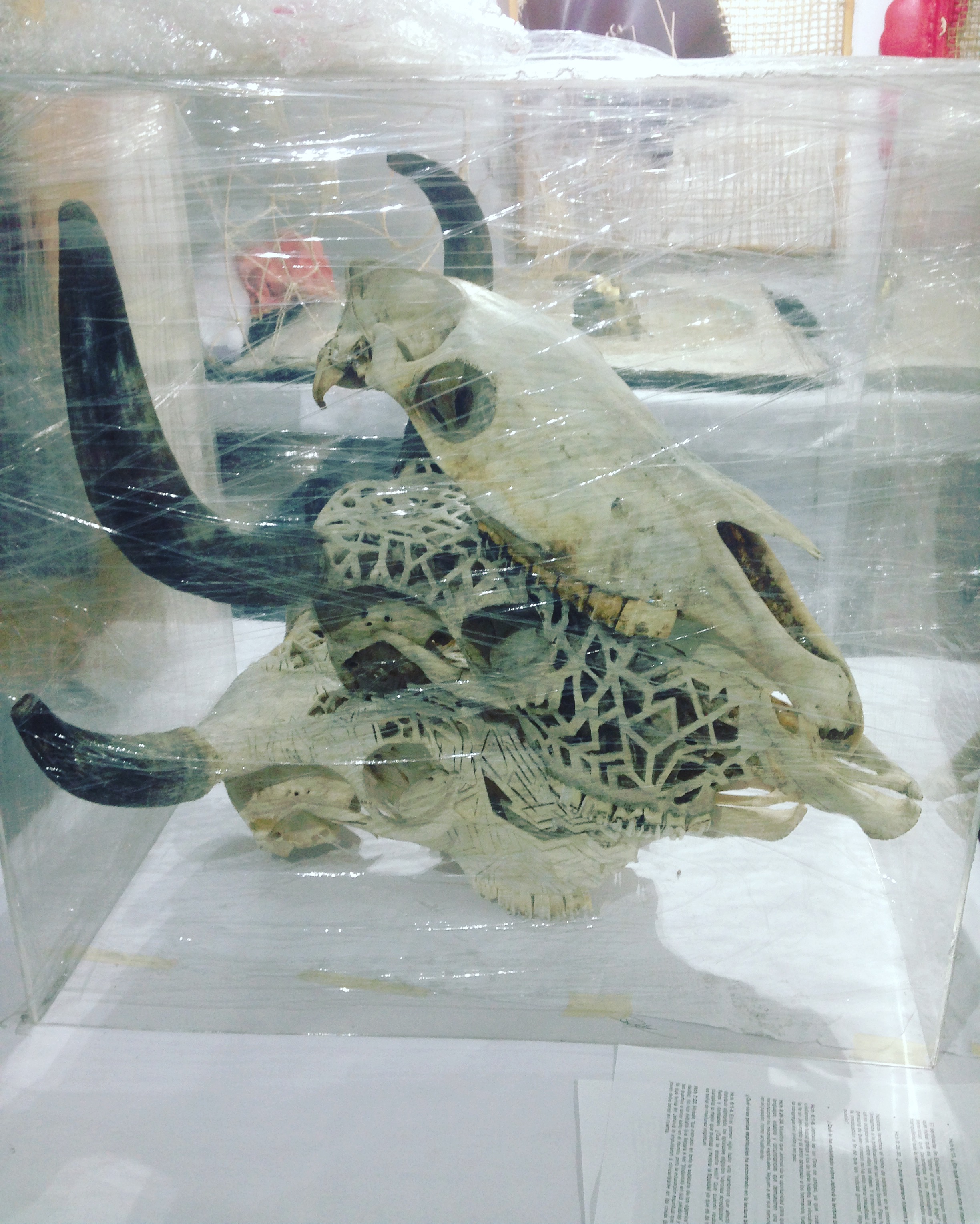
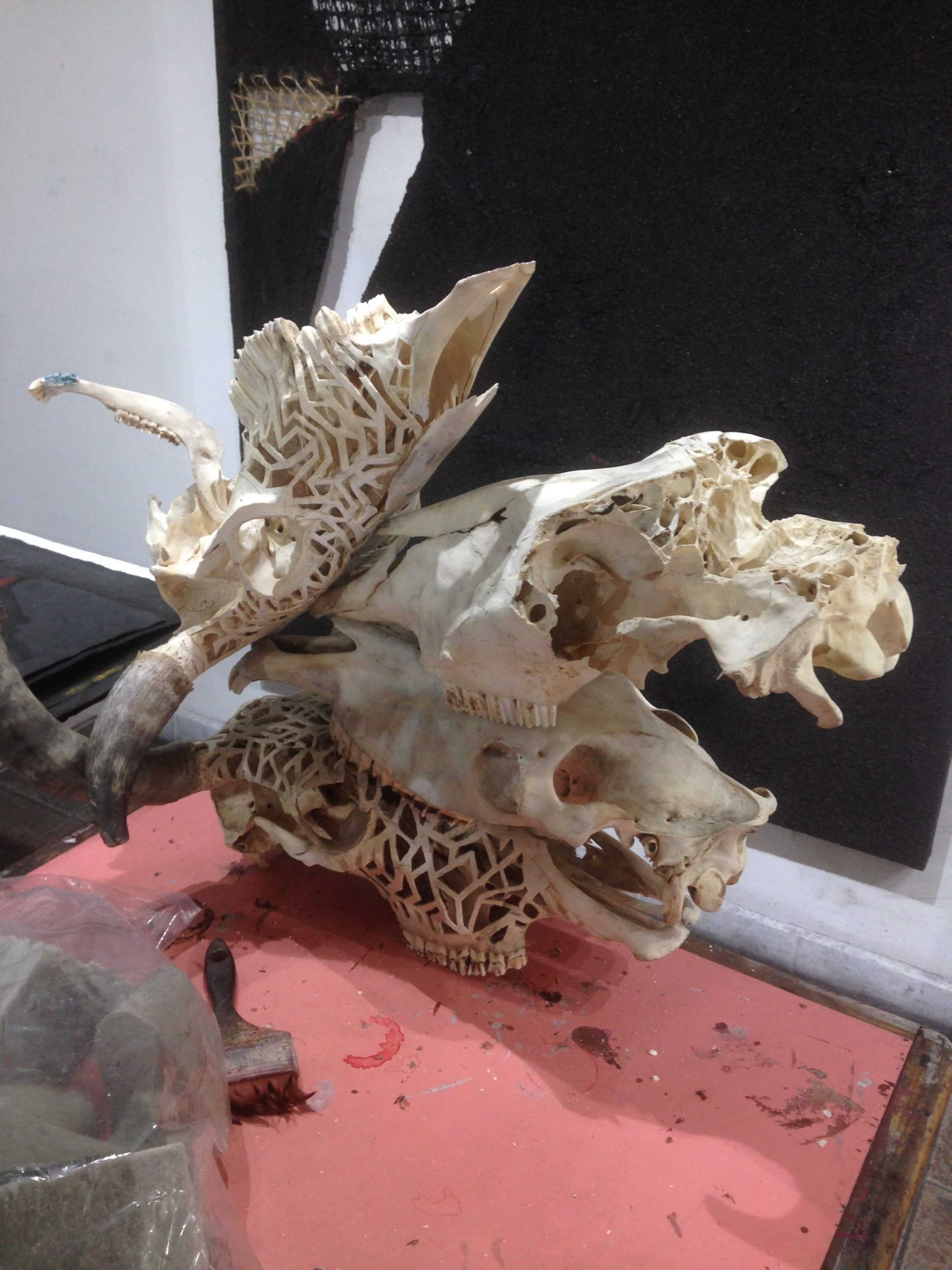
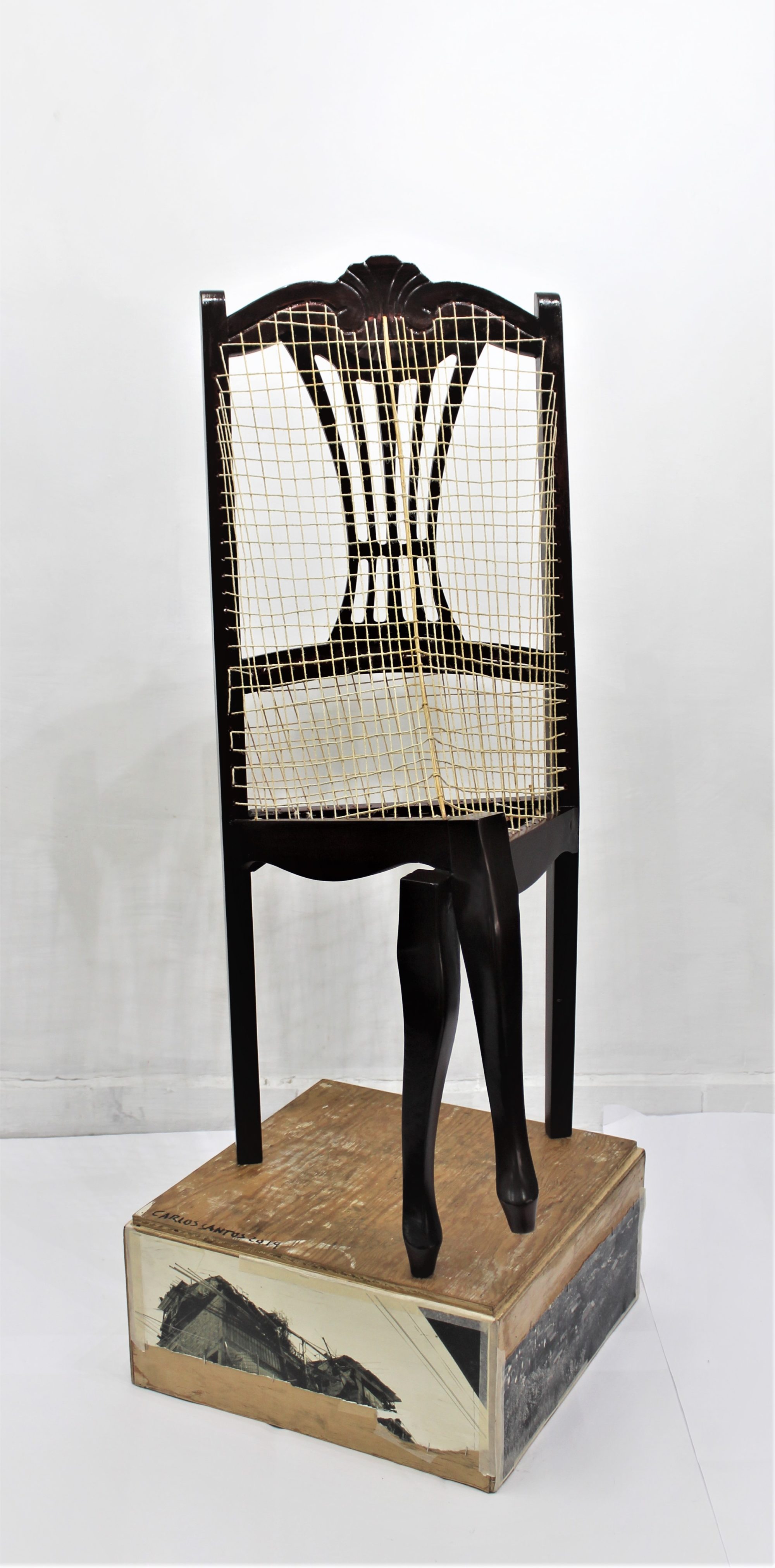
These are the thresholds: tools for triggering ontological insights. Chasms of matter capable of subverting the beholder’s glance, when properly used. We yearn to believe we know reality; we take it for granted. But in fact, weonly perceive an infinitesimal part of it. We only see its surface. Both its essence and foundation remain hidden to the naked eye. Carlos Santos’s devices seem to work as maps for the investigating the merging of matter and consciousness across the drab forests of bubbling Plutonian lava.
What is the source of these reflections?
Under the Law of Analogy -perfect correspondence of the microcosm and macrocosm- we may regard his works asthe paths to invisible realms where consciousness penetratesinanimate matter, a phenomenon eternally emerging from the sheer fact of existence. In Nichiren Buddhism, the concept of “three thousand realms in a single moment of life” serves to give us some idea of quite how much possibility exists in each instant of our lives.
The idea of finding infinite life in every atom of existence paves the way for understanding the mysterious way an accumulation of gross matter exist in countless dimensions, and thus the material basis becomes an instrument for provoking ontological insights:A fleeting cascade of satori.
Finally, where is Carlos Santos trying tolead the beholder?
The pieces embodythe priestesses that reveal the forbidden paths of fulfillment, those not to be defined in my language profane. If the action of creating an aesthetic experience is aimed at reaching higher levels of consciousness, then all instruments produced with this intentionality can be fathomedas the esperimental procedures for activating the secrets of Self-knowledge and understanding the invisibility of real life.
CARLOS SANTOS: LA VIDA INVISIBLE
Gabriel Santamarina, 2018.
“De lo que uno no puede hablar, uno debe estar en silencio.”
Ludwig Wittgenstein, 1921.
Si la conciencia es un aspecto esencial de la existencia, como nos ha demostrado la física cuántica, ¿Qué podemos aprender al contemplar el momento en que la materia y la conciencia se funden en las obras de Carlos Santos? Estos son los umbrales: herramientas para activar la información ontológica. Abismos de la materia capaces de subvertir la mirada del espectador, cuando se utiliza.
Anhelamos creer que conocemos la realidad; lo damos por sentado. Pero de hecho, sólo percibimos una parte infinitesimal de ella. Sólo vemos su superficie. Tanto su esencia como su fundamento permanecen ocultos a simple vista.
Los dispositivos de Carlos Santos parecen funcionar como mapas para investigar la fusión de la materia y la conciencia a través de los bosques sombríos de la burbujeante lava plutoniana.
¿Cuál es la fuente de estas reflexiones?
Bajo la Ley de Analogía -correspondencia perfecta del microcosmos y macrocosmos- podemos considerar sus obras como los caminos hacia reinos invisibles donde la conciencia entra en la materia inconanimada, un fenómeno eterno que emerge del hecho de la existencia.
En el budismo nichiren, el concepto de “tres reinos miles en un solo momento de la vida” sirve para darnos una idea de cuánta posibilidad existe en cada instante de nuestras vidas. La idea de encontrar una vida infinita en cada átomo de la existencia allana el camino para entender la misteriosa forma en que existe una acumulación de materia bruta en innumerables dimensiones, y por lo tanto la base material se convierte en un instrumento para provocar ideas ontológicas: A cascada fugaz de satori.
Por último, ¿Dónde intenta Carlos Santos dirigir al espectador?
Las piezas encarnan a las sacerdotisas que revelan los caminos prohibidos de la realización, esas no se definen en mi lenguaje profano. Si la acción de crear una experiencia estética está dirigida a alcanzar niveles más altos de conciencia, entonces todos los instrumentos producidos con esta intencionalidad pueden ser los procedimientos experimentales para activar los secretos del autoconocimiento y el conocimiento propio y entender la invisibilidad de la vida real.
